
Label checking comes first
You’re choosing dried fruit for someone with coeliac disease and want to check the gluten-free label, ingredients and cross-contamination warnings for the exact product variant first.


If you have coeliac disease, start by checking the ingredients and allergen information for the exact product variant. The name of the fruit alone is no proof that a product is suitable for a gluten-free diet. Individual snack boxes save you weighing out portions, while a larger pack lets you decide the portion size yourself. You’ll need to handle it carefully to avoid contact with gluten-containing crumbs.
You’re choosing dried fruit for someone with coeliac disease and want to check the gluten-free label, ingredients and cross-contamination warnings for the exact product variant first.
You’re looking for an individual portion to take on the go, without having to weigh it out first. You’ll still need to check that the exact product variant is suitable for a gluten-free diet.
You want to decide how much to take with you and weigh up whether a fixed-size snack box or a larger pack best suits your needs.
If you have coeliac disease, check the exact product variant first, then weigh up the practical considerations of taking it with you, portion size and preparation.
Choose this option if: you want to take a portion with you without weighing it out beforehand. For example, Jumbo lists a pack containing 12 boxes of 14 g each.
Bear in mind: the amount in each box is fixed, and this tells you nothing about whether it’s suitable for a gluten-free diet.
Choose this option if: you can weigh it out in advance and want to decide the amount yourself. ALDI lists 500 g of raisins; the variants reviewed from PLUS and Dirk come in 375 g packs.
Bear in mind: this takes preparation, and you’ll need to avoid contact with gluten-containing crumbs. A larger pack doesn’t guarantee better value.
| What to consider | What should you check? | Who is this important for? |
|---|---|---|
| Gluten and cross-contamination | Check the ingredients and allergen information for the exact product variant, along with its gluten-free label and any relevant warnings. | When I choose fruit for someone with coeliac disease, I want to be able to check the information on the pack first. Around 36% of consumers put confidence in the label first. |
| A portion without weighing it out | Check whether the pack contains individual snack boxes and look at the weight of each one. | When I want to grab something quickly to take with me, an individual portion is more practical than weighing it out myself. Around 29% of consumers put convenience on the go first. |
| Quantity and sugar | Check how many grams you’ll actually eat and whether sugar has been added. | When I want to consider portion size and added sugar, clear product information helps me choose. Around 21% of consumers put portion size and sugar first. |
| Cost and preparation | Compare the current price per kilogram of suitable variants, and consider how much you’ll use and whether you can weigh it out yourself. | When I compare ready-portioned snacks with portioning them myself, I want to weigh up the cost against how I’ll use the product and the preparation involved. Around 14% of consumers put this consideration first. |
The type of fruit and its suitability for a gluten-free diet are two different things. The Dutch Coeliac Association explains that warnings about possible cross-contamination should be taken seriously.
Check the current packaging for the exact product variant you want to buy, including the ingredients, allergen information and any relevant cross-contamination warnings.
Pack sizes can vary considerably: the boxes listed by Jumbo contain 14 g each, while the PLUS and Dirk raisin packs reviewed contain 375 g, and ALDI lists a 500 g pack. The pack size doesn’t determine how much you eat at one time.
Check the weight of each box or bag and decide how much you want to take with you. The Netherlands Nutrition Centre recommends a maximum of 20 g of dried fruit per day. This is general dietary advice, not a coeliac disease limit or a packaging requirement.
A large pack and a multipack of individual boxes differ in quantity and convenience. The type of packaging alone doesn’t tell you which option is better value.
Compare the current price per kilogram of products that suit your gluten-free diet, and take into account how much you’ll actually use.
Weighing out portions yourself takes preparation and could mean some of the contents go unused.
Albert Heijn lists the AH Hamsterchef Raisins range on its own product page.
Jumbo lists products including Snack Raisin Boxes, 14 Pieces and Woezel & Pip Organic Snack Raisins, 12 × 14 g.
Lidl Netherlands lists Belbake Raisins as a product variant.
ALDI Netherlands lists Trader Joe’s raisins in a 500 g pack.
PLUS lists Sultana raisins in a 375 g stand-up pouch.
Dirk lists 1 de Beste Sultana Raisins in a 375 g pack.
These Joybuy products are handy for taking fruit products with you and portioning them out, including jackfruit, plums, raisins and hawthorn flakes. The product listings don’t, in themselves, confirm that a product is suitable for a gluten-free diet. Before eating, check the current ingredients and allergen information on the exact pack.
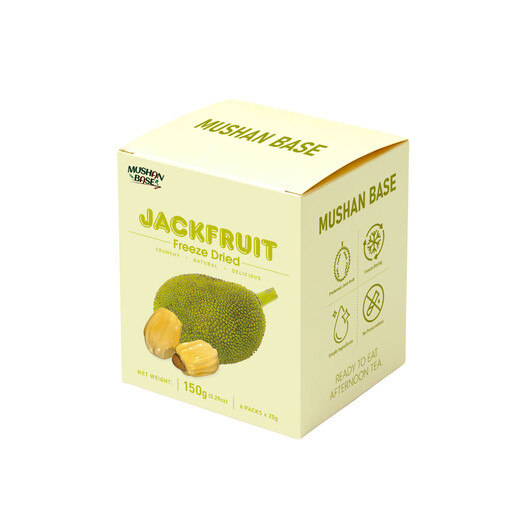 Image unavailable
The Joybuy product listing mentions six 25 g sachets, so you can take a portion with you without weighing it out first. Check the exact pack to see whether it’s suitable for a gluten-free diet.
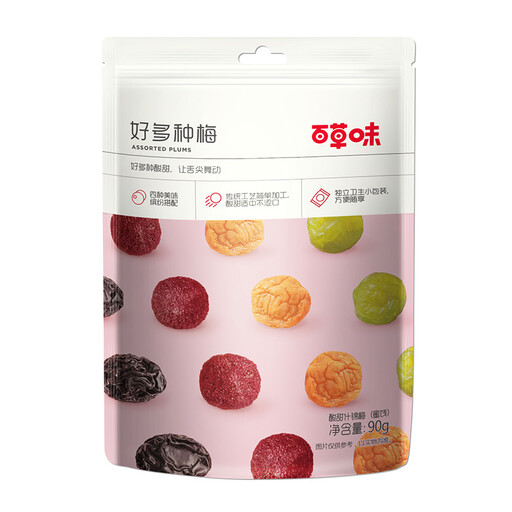 Image unavailable
The Joybuy product information describes a 90 g stand-up pouch containing plums, sugar, salt and sweeteners. The listed salt content is 3.0 g per 100 g. Check the exact pack to see whether it’s suitable for a gluten-free diet.
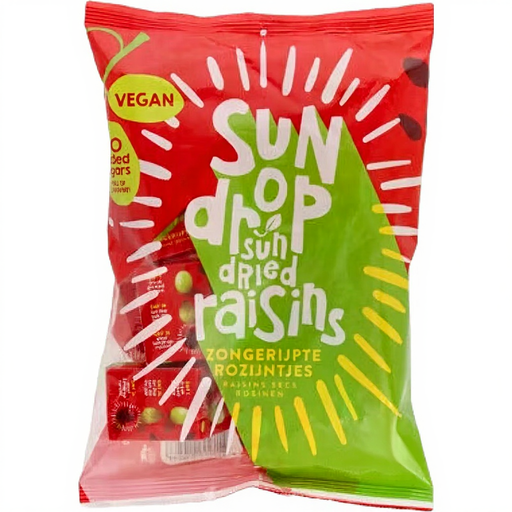 Image unavailable
The Joybuy product information lists a 252 g pack containing 99.5% raisins and sunflower oil. The bag can be resealed after opening. Weigh out your own portions and check the exact pack to see whether it’s suitable for a gluten-free diet.
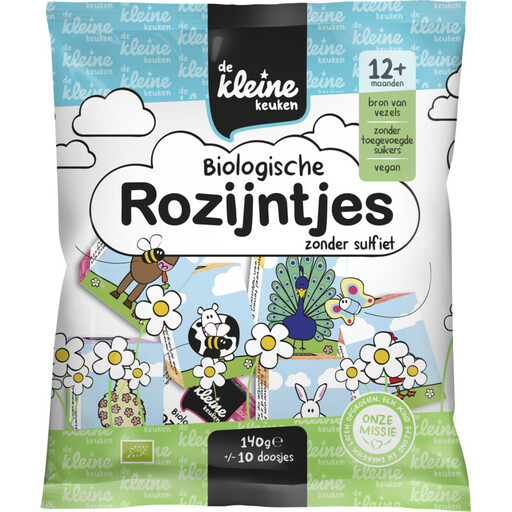 Image unavailable
The Joybuy product information lists ten 14 g boxes and says no sugar or sulphites have been added. The product information says it’s suitable only for children over 12 months. Supervise children while they eat, and don’t give it to children with swallowing difficulties. Also check the exact pack to see whether it’s suitable for a gluten-free diet.
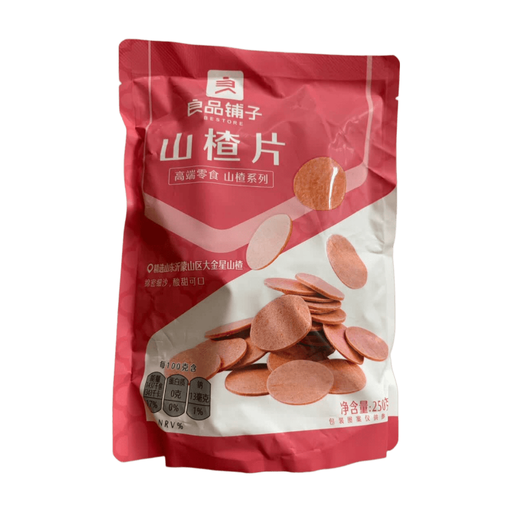 Image unavailable
This product consists of hawthorn flakes in small sachets, making it different from raisins or whole pieces of dried fruit. The Joybuy product information lists sugar and the colourant E120, and includes a warning that E120 may affect children’s activity and attention. Check the exact pack to see whether it’s suitable for a gluten-free diet.
No. According to the European Commission, Implementing Regulation (EU) 828/2014 sets requirements for claims about the absence or reduction of gluten. The rules have applied since 20 July 2016. Also check the information for the exact product variant and the current packaging.
No. Don’t treat one specific symbol as a general requirement. The Netherlands Nutrition Centre lists both a gluten-free label and the Crossed Grain symbol as ways to identify suitable products. Check all the information for the exact product variant.
Use clean hands, a clean work surface and a clean container, away from bread crumbs. The Dutch Coeliac Association explains that cross-contamination can also happen in your own kitchen. Keep the product information so you can continue to check which variant you have.
The Netherlands Nutrition Centre recommends a maximum of 20 g of dried fruit per day. This is general dietary advice, not a coeliac disease limit or a legal requirement for pack weight.
Yes. The new rules for allergen information have applied in the Netherlands since 1 January 2026, and the Netherlands Food and Consumer Product Safety Authority monitors compliance. The Dutch Coeliac Association explains that the permitted warnings about the possible presence of gluten-containing cereals can indicate the same potential risk.