
Households shopping gluten-free
You’re buying dried fruit for someone with coeliac disease and want to check the ingredients, allergen information and potential cross-contamination before considering the price or pack size.


If you have coeliac disease, eating gluten-free is essential, as Thuisarts.nl explains. So first check the latest information on the exact pack. Then compare the same type and variety of fruit by price per kilo, and choose an amount that suits how much you use at home. A large bag may be right if you use it regularly, while a smaller pack could be more practical if you don’t eat much dried fruit.
You’re buying dried fruit for someone with coeliac disease and want to check the ingredients, allergen information and potential cross-contamination before considering the price or pack size.
You often buy the same type of dried fruit and want to choose a larger or smaller pack based on its size and how much you use at home.
You use dried fruit in small amounts and want the portion and ingredients to suit your needs, rather than letting the size of the bag determine how much you eat.
If someone in your household has coeliac disease, first check the information on the exact pack. After that, the price per kilo, a suitable amount to keep in stock, and the ingredients or portion size can help you decide.
| What to consider | What should you look for? | Who is this important for? |
|---|---|---|
| Suitability for coeliac disease | Check the ingredients and allergen information on the exact pack. Read any cross-contamination warnings separately. | If you’re buying for someone with coeliac disease, check the latest information on the pack first. Around 36% of consumers put clear information about suitability first. |
| Value for money | Compare the same type and variety of fruit by price per kilo. Also consider the net weight and brand. | If you mainly want to know how much you’re getting for your money, compare like-for-like packs rather than looking only at the price of the bag. Around 29% of consumers put a suitable price per kilo first. |
| Pack size | Choose the pack size based on how many people will use the product and how often. If it matters to you, check whether the exact pack is resealable. | If you want to match your supplies to how much you use at home, choosing a pack you can finish in good time matters more than simply getting a low price per kilo. Around 21% of consumers put a suitable amount to keep in stock and ease of use first. |
| Portions and ingredients | Check the ingredients for things such as added sweeteners and any nuts. Distinguish between plain dried fruit and a fruit and nut mix. | If you pay attention to portions and ingredients, you’ll want to know exactly what’s in the pack. Around 14% of consumers put this first. |
A product being in a supermarket’s range doesn’t automatically tell you whether the exact pack is suitable for someone with coeliac disease. Ingredients and the risk of cross-contamination need to be considered separately.
Before buying, check the latest information on the label of the pack you intend to purchase.
A lower price for the bag may come with a smaller pack size. Different brands, types of fruit and varieties also aren’t necessarily directly comparable.
Compare the price per kilo for the same type and variety of fruit, and check the weight in grams.
A large pack isn’t automatically practical if your household only uses the product occasionally.
Choose an amount based on how much you actually use at home, and keep your portions separate from the pack size.
The supermarket listings below may help you compare types of fruit and pack sizes. A listing on its own says nothing about whether a product is suitable for a gluten-free diet or available at a particular store.
Lists products including dried pineapple and fruit and nut mixes.
Lists sun-dried sultanas in 250, 500 and 750 g packs.
Lists dried fruit with a note that it’s available at selected stores.
Lists products including 500 g packs of Trader Joe’s raisins and a separate 200 g fruit and nut mix.
Lists 750 g packs of Pagysa sultanas and 375 g packs of PLUS sultanas.
Lists products including 750 g packs of raisins and 375 g packs of 1 de Beste sultanas.
This selection includes different types of dried fruit, from small packs to 500 g packs of raisins. A product listing on its own doesn’t confirm that a pack is suitable for someone with coeliac disease. Before buying, check the latest ingredients, allergen and cross-contamination information on the exact pack.
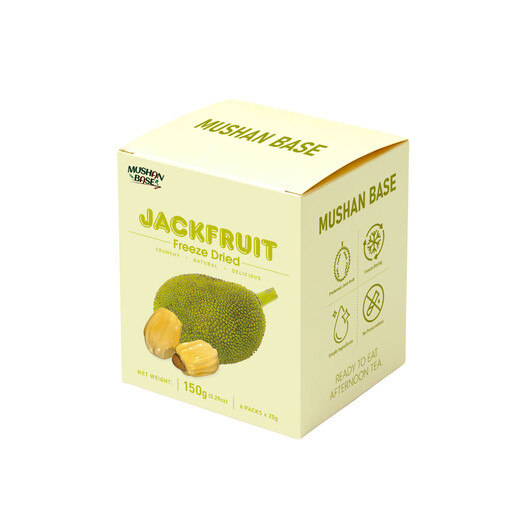 Image unavailable
The individual sachets are handy if you want to use or take portions with you separately. The pack contains six 25 g sachets, totalling 150 g.
Ingredients: 100% jackfruit. The product information recommends consuming the contents immediately after opening.
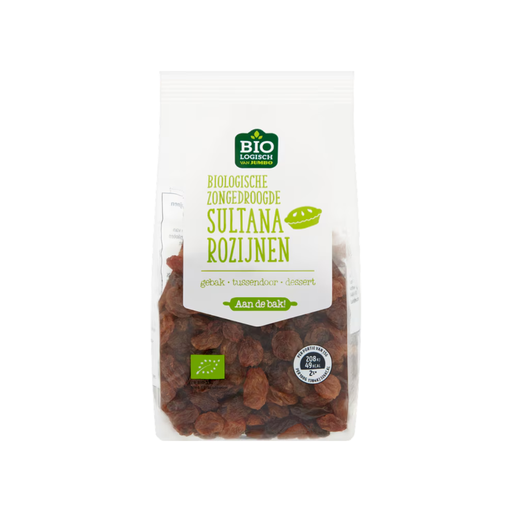 Image unavailable
A 250 g pack may suit you if you’re looking for a smaller amount.
The product information lists raisins and sunflower oil as ingredients, and identifies the raisins as organic.
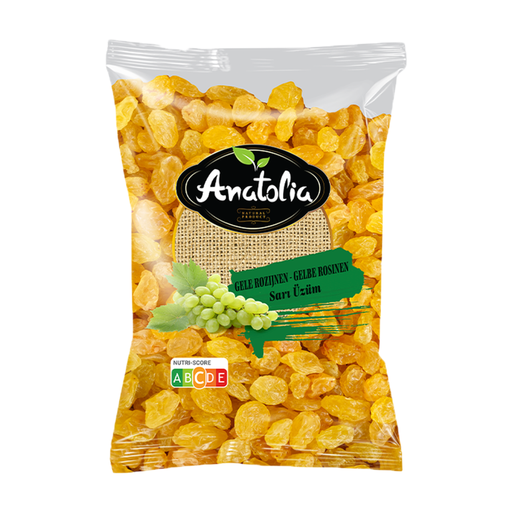 Image unavailable
A 500 g pack may suit you if you use raisins regularly at home.
The product information describes them as golden raisins and lists 100% dried grapes as the ingredient.
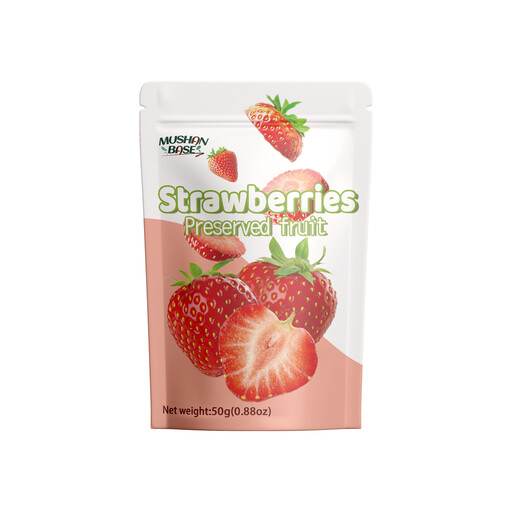 Image unavailable
The 50 g pack may suit you if you’re looking for a small amount.
The ingredients information lists dried strawberries and sugar. The pack is resealable.
No. Check the exact pack. Read the latest ingredients and allergen information; PLUS warns that product and allergen information can change.
According to the Netherlands Food and Consumer Product Safety Authority, allergen information for prepacked products must appear on the label. Read the information on the pack you’re actually buying.
Not necessarily. The Dutch Coeliac Society describes cross-contamination as gluten unintentionally getting into a product that shouldn’t contain it. Consider the warning separately from the ingredients list.
Yes. The Dutch Coeliac Society describes cross-contamination in the kitchen, for example from crumbs containing gluten. When storing, preparing and eating together, make sure the pack and portion don’t come into contact with them.
The Netherlands Nutrition Centre recommends eating no more than 20 g of dried fruit a day. Use this as dietary advice alongside your household’s actual consumption; it isn’t a legal limit and doesn’t tell you whether a product is gluten-free.