
Vandaag of morgen in huis

Kwaliteit gegarandeerd

Welkomstaanbiedingen ontgrendelen: GRATIS bezorging | Tot 80% korting | Gratis 30 dagen JoyPlus-proefperiode
Download de app
Dried fruit and Chinese fruit snacks are convenient for taking on the go, enjoying at work, packing in a lunchbox or serving with a cup of tea. However, packaging can sometimes look more alike than the ingredient lists suggest. A fruity name does not automatically mean that a product consists only of fruit.
If you want to buy fruit snacks online, it is wise to avoid these three common pitfalls:
First, check which ingredient appears first on the list. According to the description, Xue Ji Dried Apples 88g contains at least 70% apple. It also lists sugar, dextrose, acidity regulators, sulphites and flavouring. This makes it suitable for anyone looking for a soft, sweet fruit snack, but less suitable for someone expecting nothing but unprocessed fruit.
The recipe also varies between dried mango products. Jiajianchengchu Dried Mango Vietnam Flavor 70G contains mango, sugar, salt, spices, acidity regulators, preservatives and flavouring. The packaging also states that it contains sulphites. The Thai 70 g x 2 version has a similar base.
Want to find dried fruit without artificial colourings? Do not just look at the front of the packaging. Check the full ingredients list and any warnings. “No added colourings” does not automatically mean that a product is free from sugar, preservatives or flavourings.
A 70, 90 or 100-gram bag may seem small, while the sugar or salt content per 100 grams can vary considerably. For this reason, use the standard nutrition table as your point of comparison.
For example:
These differences show why “fruit snack” is not a fixed nutritional category. Choose according to your taste preferences and when you plan to enjoy the snack, while also taking the portion size into account.
Sulphites must be clearly declared when present. Products such as dried apricots, apples and mango may contain them. Always check the current packaging if you want to avoid sulphites or are sensitive to them.
Also check:
The selection below is based on verifiable information such as packaging, ingredients, nutritional values and instructions for use. Brand descriptions relating to taste or product effects have not been treated as a general guarantee.
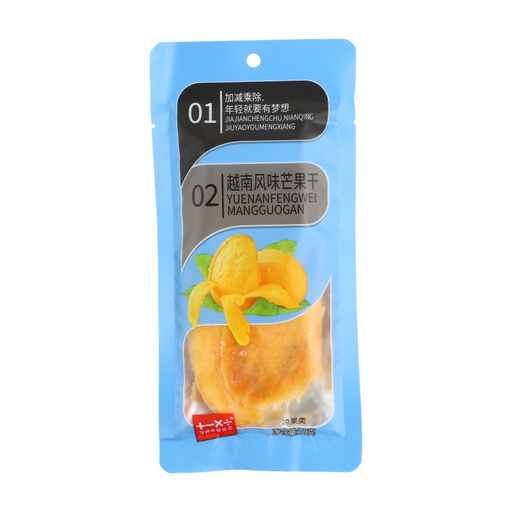
Why it suits this profile: The 70 g pack is a practical way to try chewy dried mango without buying a large supply straight away. The snack is ready to eat and suitable for taking on the go or packing in a lunchbox.
The product information clearly lists mango, sugar, salt, acidity regulators, preservatives and sulphites. This means you know in advance that it is not pure dried mango.
70 g; 0 g fat per 100 g according to the nutrition table; reseal the packaging to preserve the soft texture.
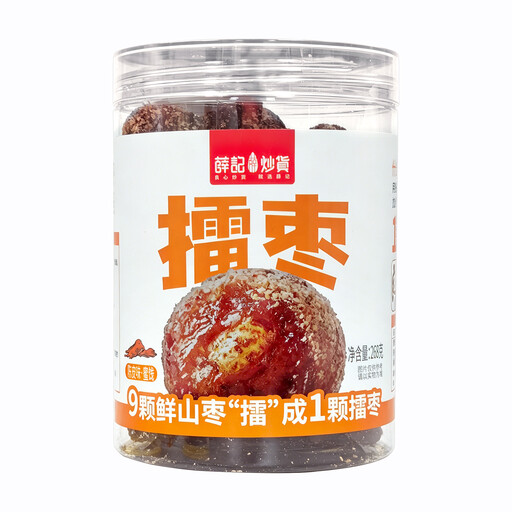
Why it suits this profile: This Chinese snack comes in a larger 268 g pack and combines wild jujube with tangerine peel. According to the product description, it contains no artificial colourings or preservatives.
The ingredients list is concise: wild jujube, sugar, water, tangerine peel and salt. However, check the current packaging before buying, as labels may change.
268 g; ready to eat; soft, chewy texture according to the product description; store in a cool, dry place.
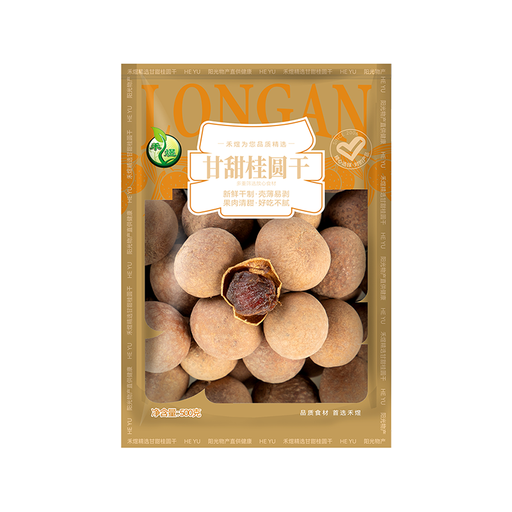
Why it suits this profile: The 500 g bag is intended for regular use in tea, porridge or soup. This is not a ready-to-eat fruit snack, but an ingredient suitable for several uses.
The instructions for use explicitly state: wash before cooking. This makes the distinction between ready-to-eat fruit snacks and cooking ingredients clear.
500 g; one ingredient according to the product information; suitable for tea, soup and porridge; sourced from China.
For a pronounced sweet-and-sour flavour, dried plums, apricots and hawthorn slices are interesting options. According to the label, O‘Say Hawthorn slices 150g contains only white sugar and hawthorn and is ready to serve. Be&Cheery Dried Red Apricots 300g lists apricot, sugar, glucose syrup and sulphites; the product description mentions a sweet-and-sour flavour, but the ingredients list remains the deciding factor.
Be&Cheery Various Dried Plum 90g contains a selection of plum flavours in a portable bag. Jia Jian Cheng Chu Preserved Plum Halves 180 g x 2 and UME HOUSE Soft Dried Plums 128g are more heavily seasoned and contain, among other ingredients, salt, acidity regulators and sweeteners. For a larger portion of red dates, Hao Xiang Ni Ready-to-Eat Red Dates 900g is divided into 30 bags of 30 g. Raisins and dried apples are also suitable for a simple snack, but check the apple product for a declaration of sulphites once again.
We have put together a complete, up-to-date list of products that fully meet these strict selection criteria and the applicable European safety regulations.
That depends on the product. According to the product information, the mango, plums, apricots, apples, raisins and red dates in this selection are ready to eat. Dried longan is intended to be washed first and prepared in tea, soup or porridge, for example.
Check the best-before date on the packaging. As a general rule, store unopened products in a cool, dry place away from direct sunlight. Seal an opened bag securely. This helps to limit drying out and changes in texture. Always follow the manufacturer’s specific storage advice.
That depends on the product. According to the label, some options contain just one ingredient, such as dried longan or red dates. Other fruit snacks contain sugar, salt, sweeteners, acidity regulators or preservatives. Compare the ingredients list and nutritional values per 100 grams before placing your order.
