What should you consider when choosing?
First decide whether protein, food sensitivities, portion size, taste or practical storage is the main priority for your party.
| Point to consider |
What to look for |
Who is this important for? |
| Protein content |
Compare the protein per 100 g and calculate how much there is in the amount you’ll serve. |
If protein is the main reason for choosing a snack, you’ll want to know what a small portion actually provides. Around 31% of consumers prioritise protein content. |
| Food safety and sensitivities |
Read the ingredients and warnings; choose a suitable shape and supervise children as needed. |
If young children or children with food sensitivities are coming, you’ll want to know in advance what the treat contains and how best to serve it. Around 25% of consumers prioritise these considerations. |
| Sugar and portion size |
Check both the ingredients and total sugars, and consider the amount alongside the other treats. |
If you want to keep track of how much sugar there is and what’s on the table, look beyond the words ‘no added sugar’. Around 19% of consumers make portion size and sugar their main priority. |
| Taste and appeal |
Take the children’s preferences into account; a supplier’s description is not an independent taste test. |
If your main aim is to offer fruit the children will enjoy, it helps to think about what they know and like. Around 13% of consumers prioritise taste and appeal. |
| Pack size and storage |
Compare the net weight with your serving plans and follow the instructions for the specific product. |
If shopping, sharing out portions and storing leftovers are important, you’ll want to know how much is in the pack and what to do after opening. Around 12% of consumers mainly choose based on practical buying and storage considerations. |
Dried fruit at Joybuy
These products are dried fruit options for a fruity treat or topping. Compare the nutritional information per 100 g and check the ingredients and warnings on the pack you choose.
 No image available
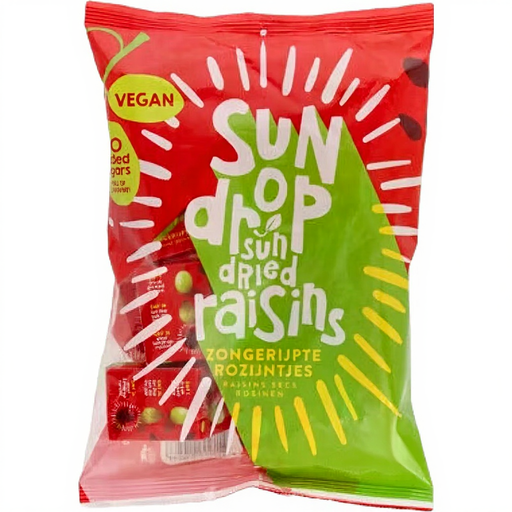
Sundrop Mini Raisin Handouts, 252 g
The product description presents the raisins as a snack; the ingredients are 99.5% raisins and include sunflower oil.
The nutritional information lists 3.2 g of protein and 70 g of sugars per 100 g.
Bear the sugar content in mind when serving and follow the instructions on the pack.
Shop at Joybuy
 No image available
OHLA dried guava, 180 g
The product description suggests using the dried guava as a snack or ingredient.
The ingredients list 95% guava, sugar and a preservative; the stated nutritional values are 1.27 g of protein and 80.3 g of carbohydrates per 100 g.
Check the full ingredients list and nutritional information when choosing a portion.
Shop at Joybuy
 No image available
PHILIPPINE BRAND dried mango, 100 g
The product description suggests enjoying it as a snack or adding it to yoghurt or breakfast cereals.
The ingredients list 75% mango, sugar and sulphites (E223). The stated protein content is 2 g per 100 g.
Check the label for sulphites if food sensitivities are a consideration.
Shop at Joybuy
 No image available
Three Squirrels Red Apricot Dried, 250 g
The product description says the dried apricots are suitable for eating straight from the pack and sharing.
The ingredients list apricot, sugar, maltose syrup and sulphites. The stated protein content is 1.1 g per 100 g.
Check the ingredients and warnings on the pack before serving the apricots.
Shop at Joybuy
 No image available
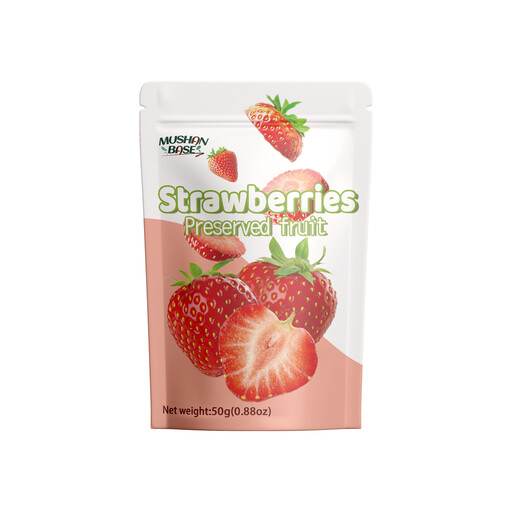
MUSHAN BASE dried strawberry slices, 50 g
The product description suggests using them as a snack or topping for yoghurt and desserts.
The ingredients are dried strawberries and sugar. The nutritional information lists 1.2 g of protein and 57.4 g of sugars per 100 g.
Bear the sugar content in mind when deciding how much to serve at the party.
Shop at Joybuy
Frequently asked questions
Should I buy special recovery products after a children’s sports party?
A sports party alone isn’t a reason to choose special recovery products. The Netherlands Nutrition Centre describes a varied diet for children and says that recreational athletes don’t need special protein bars or shakes. Don’t use advice for adult athletes as a portion recommendation for children.
Can young children choke on raisins?
Yes, the Netherlands Nutrition Centre warns that small children can choke on raisins. Don’t give them too many at once, and stay with a young child while they’re eating.
What should I look out for if someone is sensitive to sulphites?
Check the ingredients and warnings on the specific pack and, if you know about a sensitivity, discuss your choice with the child’s parents. Sulphites can be used as a preservative in dried fruit; the Dutch Food Allergy Foundation describes an intolerance reaction in sensitive people.
Can I always store opened dried apricots in the kitchen cupboard?
No, follow the storage instructions for the specific variety. For the soaked apricots reviewed, AH says to refrigerate after opening at a maximum of 7°C; PLUS says to store its dried apricots in a cool, dry, dark place.
How do I compare the protein content of different types of dried fruit?
First compare the nutritional information per 100 g, then calculate it for the same amount you plan to serve. The labels of the four AH, PLUS and Jumbo products compared list 3.1–4 g of protein per 100 g; for 20 g, that works out at 0.62–0.80 g. The 20 g figure is a basis for comparison, not a portion recommendation for children.
How should I store leftover dry mixed fruit?
The Netherlands Nutrition Centre recommends storing this product in a cool, dry, dark place in a well-sealed container. For an unopened pack, follow the instructions and date on the packaging; this advice doesn’t automatically apply to soaked fruit or fruit already mixed with yoghurt.


