
Parents looking for small portions
You want to include a small portion of fruit without assuming that dried fruit is low in calories. The Netherlands Nutrition Centre recommends small portions of raisins and favours fresh fruit for children.


Dried fruit can be a small addition to a childcare lunch, but it is not necessarily low in calories. The Netherlands Nutrition Centre recommends small portions and favours fresh fruit for children. Compare nutritional values only for the same weight, choose a texture suitable for the child’s age and follow the childcare setting’s food policy. Category averages don’t tell you what’s in a specific pack.
You want to include a small portion of fruit without assuming that dried fruit is low in calories. The Netherlands Nutrition Centre recommends small portions of raisins and favours fresh fruit for children.
Your first consideration is whether the texture is suitable for the child’s age. The Netherlands Nutrition Centre advises adapting the texture and gives fruit cut into small pieces as an example.
You compare types of fruit and pack sizes, while taking the setting’s food policy and hygiene procedures into account. RIVM/KIDDI refers to the Hygiene Code for Small Institutions or another approved hygiene code.
Start with the amount you plan to hand out, then check the ingredients and packaging, and consider whether the texture is suitable for the children’s ages.
| What to consider | What should you look for? | Who should consider this? |
|---|---|---|
| Energy per portion | Compare kcal for the same weight and consider the amount actually handed out. | If I want to estimate the energy in a portion, I compare the same amount in grams and look at what’s actually being packed. Around 31% of consumers mainly consider energy per portion. |
| Suitable texture | Check how the food has been prepared and adapt it to the child’s age. | For a young child, I want to choose a form that’s suitable for their age, rather than relying on a product description such as ‘soft’. Around 25% of consumers prioritise a texture their child can manage. |
| Ingredients and allergens | Read the ingredients and allergen information for the exact product, and check the current packaging. | If the ingredients or a relevant sensitivity affects my choice, I check the packaging rather than relying on the name of the fruit. Around 25% of consumers mainly look at ingredients and allergens. |
| Packaging and storage | Choose a pack size that suits how much you’ll use and follow the storage instructions for that particular product. | When handing food out to a group, I want packaging that suits how much we’ll use and that can be sealed and stored properly. Around 19% of consumers mainly consider packaging, portioning and storage when choosing. |
As general category examples, the Netherlands Nutrition Centre’s calorie checker lists 40 kcal per 20 g of dried plums and 65 kcal per 20 g of raisins. These are not the nutritional values of the products below; check the label of the exact product for those. Here, 20 g is a unit for comparison, not a standard portion for children.
A small amount doesn’t mean a product is low in calories. The Netherlands Nutrition Centre’s category figures are not the label values for individual supermarket products.
Compare kcal for the same weight and keep the actual portion small. Don’t use category averages as the nutritional values for a specific pack.
Ranges can include plain dried fruit, mixes and processed products. For example, the Netherlands Nutrition Centre distinguishes between dried dates and sugared dates.
Read the ingredients for the exact product and check the allergen information if it’s relevant to the group.
A product description such as ‘soft’ doesn’t mean it’s suitable for every child. The Netherlands Nutrition Centre advises choosing a texture appropriate for the child’s age.
Choose a suitable form and assess the texture for the child. Don’t let a description on the pack replace your own assessment.
A larger pack won’t necessarily suit how much you’ll actually use. The Netherlands Nutrition Centre’s general storage advice for dried apricots is to keep them in a cool, dry, dark place in a tightly sealed container.
Choose a pack size that suits how much you’ll use and follow the storage instructions on the packaging of the product you choose.
A larger bag may take extra time to portion out and seal properly.
Albert Heijn sells its own-brand raisins, as well as a range of dried fruit and fruit-and-nut mixes.
Jumbo offers different types of fruit and pack sizes, including sultanas.
Lidl sells dried fruit under its Alesto range, alongside nut products.
Aldi lists TRADER JOE'S sun-dried apricots in a 250 g pack.
PLUS lists dried plums in a 375 g bag.
The range includes different varieties, such as sultanas, golden raisins, prunes and apricots.
This selection includes raisins, dried plums and dried apricots. Check the ingredients, portion information and any usage restrictions for each product.
 No image available
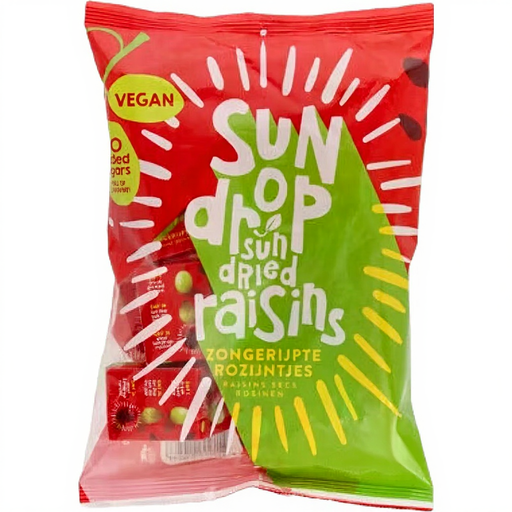
Could suit you if you’re looking for raisins; the product information lists 99.5% raisins and sunflower oil.
 No image available
The boxes may be handy if you want to hand out individual portions; the product information says they’re suitable from 12 months.
The pack contains 10 boxes of 14 g. According to the product information, this product isn’t suitable for children with swallowing difficulties; supervise children while they eat.
The product information states that the raisins contain no added sugars or sulphites.
 No image available
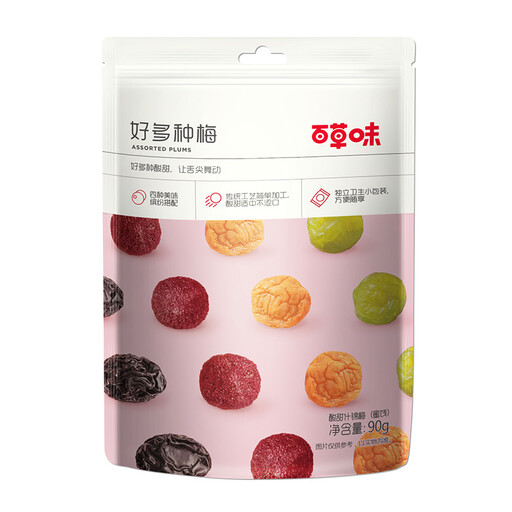
An option if you’re looking for dried plums; the product information lists 68 kcal per 100 g.
The ingredients information lists plums, white sugar, salt and sweeteners.
 No image available
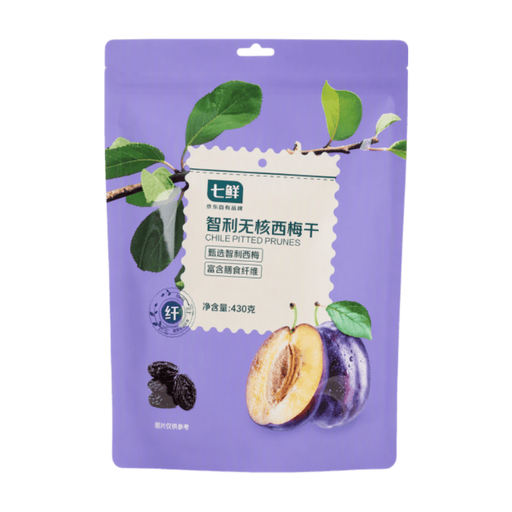
Could suit you if you’re looking for pitted dried plums; the product information lists plums as the only ingredient.
The product information lists 283 kcal per 100 g.
 No image available
Could suit you if you’d like to vary the types of fruit you serve; the product information lists 311 kcal per 100 g.
The ingredients information lists added white sugar, maltose syrup and sulphites.
No. The Netherlands Nutrition Centre’s calorie checker uses 20 g to show the calories in raisins and dried plums; it isn’t a standard portion for all ages. Its advice for children is to keep portions of raisins small.
Choose a texture that’s suitable for the child’s age. The Netherlands Nutrition Centre gives cutting fruit into small pieces as an example; a product description such as ‘soft’ doesn’t replace your own assessment.
The Netherlands Nutrition Centre’s general storage advice is to keep them in a cool, dry, dark place in a tightly sealed container. Also follow the label and use-by date for the specific pack. This advice doesn’t automatically apply to every rehydrated or otherwise processed variety.
RIVM/KIDDI refers to the Hygiene Code for Small Institutions or another approved hygiene code that describes all the tasks involved. This is a procedure for the childcare setting, not a quality mark for a pack of dried fruit.
Yes. The Netherlands Food and Consumer Product Safety Authority states that food providers must inform consumers about allergens present in food. This applies to providers of unpackaged food; it isn’t a separate requirement for a parent packing a lunch at home.