What should you look for when choosing?
Start with the fat content per 100 g, then check the information on sugar, energy and storage. For solid foods, the European Commission sets a maximum of 3 g of fat per 100 g for a ‘low fat’ claim. This is a condition for making the claim, not a general portion or dietary limit.
| What to consider |
What to look for |
Who is this important for? |
| Fat content and claims |
Compare the fat content per 100 g for the exact product variant. Don’t confuse ‘low fat’ with a ‘reduced fat’ claim. |
If I mainly want a low-fat option for camping, I check the nutrition table rather than just the front of the pack. Around 42% of consumers put fat content first. |
| Storage at the campsite |
Read the storage instructions for after opening and check whether you can maintain the stated temperature. |
Without reliable refrigeration, I want to know in advance whether the pack needs to be kept chilled after opening. Around 33% of consumers give practical storage instructions the highest priority. |
| Portions, sugar and energy |
Check sugar and energy alongside fat, then decide how much you want to take for each snack break. |
For individual snack breaks, I want to be able to take a suitable amount rather than focus on fat alone. Around 25% of consumers put portions and nutritional values first. |
Joybuy products
These Joybuy picks are dried fruit snacks. Compare the nutritional values shown where available, and check the ingredients, portions and storage instructions on the exact pack too.
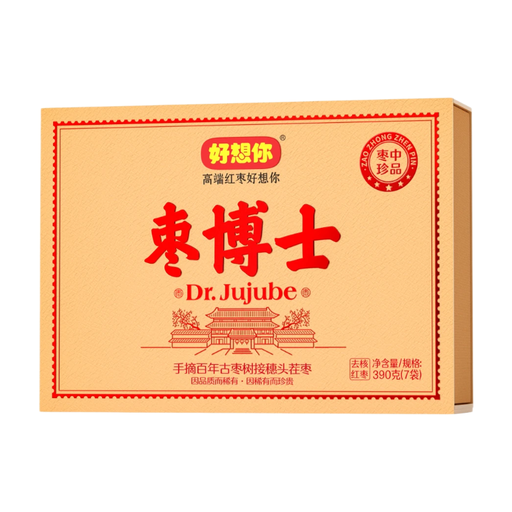 Image unavailable
Haoxiangni Dr.Jujube (Premium Gold-Grade Pitted) 390 g
These pitted red dates are described as a ready-to-eat snack. The nutritional values provided make it possible to compare fat, sugar and energy.
Joybuy’s product information lists 0 g of fat, 50.0 g of sugar and 327 kcal per 100 g.
Store in a cool, dry, well-ventilated place; consume immediately after opening.
View at Joybuy
 Image unavailable
OHLA Dried Guava 180 g
This dried guava is described as a ready-to-eat snack for when you’re out and about.
The product information lists guava (95%), sugar and a preservative.
Store the pack in a cool, dry place and reseal it tightly after opening.
View at Joybuy
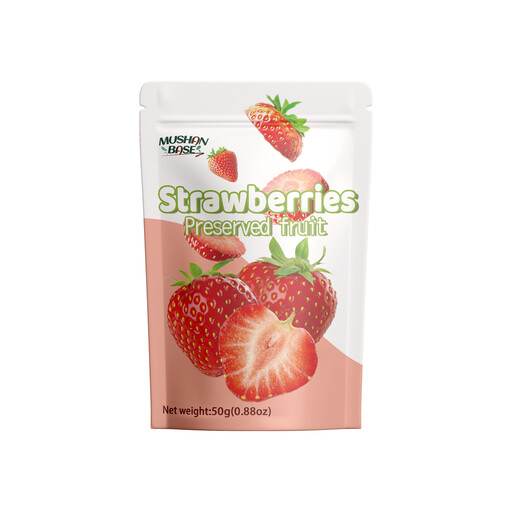 Image unavailable
MUSHAN BASE Dried Strawberry Slices 50 g
The 50 g pack is a handy amount to take with you; compare the nutritional values if you’re keeping an eye on fat, sugar and energy.
Joybuy’s product information lists 2.6 g of fat, 57.4 g of sugar and 313 kcal per 100 g. The stated fat content is below the European Commission threshold of 3 g per 100 g for a ‘low fat’ claim on solid foods.
Store in a cool, dry place.
View at Joybuy
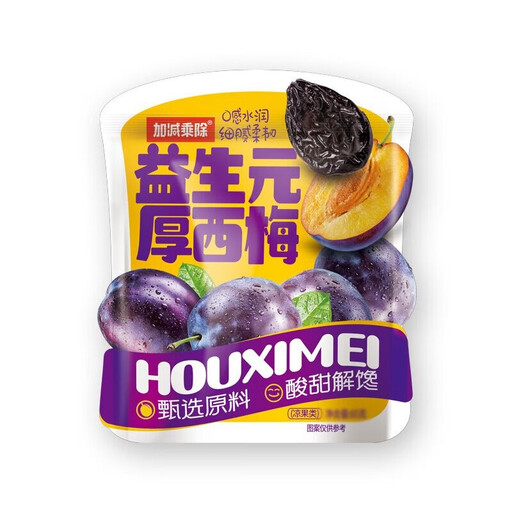 Image unavailable
Jia Jian Cheng Chu Prebiotic Thickened Prunes 65 g
The product description specifies ready-to-eat, individually wrapped 65 g portions.
Joybuy’s product information lists 0 g of fat, 41.3 g of sugar and 214 kcal per 100 g. Store in a cool, dry place.
The product description gives a best-before date of 23 September 2026, which has now passed. Don’t consider this offer a suitable purchase without confirmation of the current batch and date.
View at Joybuy
Frequently asked questions
Does ‘low fat’ mean the same as ‘reduced fat’?
No, these are different claims. For solid foods, the European Commission sets a maximum of 3 g of fat per 100 g for a ‘low fat’ claim. Don’t use this condition as proof of a reduction claim; check the information and comparison relevant to the exact claim and product.
Is a little oil in raisins a reason to avoid them?
Not necessarily: check the fat content of the finished product. Albert Heijn lists sunflower oil in AH Raisins, while Jumbo lists cottonseed oil in Jumbo Sun-Dried Sultana Raisins 250g. Both product pages state 0.5 g of fat per 100 g.
How should I store dried fruit at the campsite?
Follow the instructions on the exact pack. The Netherlands Nutrition Centre advises storing dried mixed fruit in a cool, dry, dark place in a tightly sealed container. AH Soaked Dried Apricots must be kept refrigerated at a maximum of 7°C after opening, so only choose this variant if you can maintain that temperature.
What should I check if I need to avoid sulphites?
Check the allergen information on the exact pack. PLUS Dried Apricots list sulphites. The Netherlands Food and Consumer Product Safety Authority states that allergen information for prepacked products must appear on the label; a low fat content tells you nothing about sulphites.
Does low fat mean dried fruit is low in sugar or energy?
No. Albert Heijn lists 0.5 g of fat, 59 g of sugar and 344 kcal per 100 g for AH Raisins. Compare these values together and decide for yourself what amount suits your snack break. For dried fruit with no added sugar, the Netherlands Nutrition Centre advises having no more than a handful.


