What should you check when choosing?
First decide whether fat content or storage without a fridge matters most to you. Then compare sugar, ingredients, allergens and pack size.
The table groups shoppers according to their main priority when buying dried fruit for camping. Each row covers a different key need.
| What to consider |
What should you check? |
Who is this important to? |
| Fat content and claims |
Compare fat per 100 g. For solid foods, the European Commission defines ‘low fat’ as no more than 3 g of fat per 100 g. ‘Reduced’ or ‘light’ requires a comparison; the Netherlands Nutrition Centre says the relevant nutrient must be reduced by at least 30%. |
If I mainly want to eat less fat, I look at the nutritional information rather than just the name on the pack. Around 29% of shoppers make low fat their main purchase priority. |
| Storage without a fridge |
Read the storage instructions for before and after opening. For the soaked apricots reviewed, Albert Heijn says to refrigerate after opening at a maximum of 7°C; Jumbo and PLUS say to store their products in a cool, dry, dark place. |
If I’m staying at a campsite without a fridge, I want to choose a pack whose storage instructions I can follow. Around 24% of shoppers prioritise storage without a fridge. |
| Sugar and portion size |
Compare sugar and energy per 100 g, and check the ingredients for added sugar. Jumbo lists 75,5 g of sugar per 100 g for the raisins reviewed; PLUS lists 53,4 g for the apricots reviewed. The Netherlands Nutrition Centre recommends eating no more than a handful of dried fruit with no added sugar. |
If I want to manage my sweet snack portions, I want to know how much sugar is in the amount I choose. Around 23% of shoppers make sugar and portion size their main priority. |
| Ingredients and allergens |
Check the label on the pack you’re buying. Albert Heijn and PLUS list sulphites in the apricots reviewed; the Netherlands Food and Consumer Product Safety Authority includes sulphites among the allergens that must be declared. |
If I need to take a known sensitivity into account, I check the ingredients and allergen information before packing a snack. Around 12% of shoppers make a personal allergen requirement their main priority. |
| Pack size |
Compare the net weight with how much you expect to use during your stay. The packs reviewed contain 250 g, 375 g or 500 g; after opening, follow the storage instructions for that particular product too. |
If I’m taking snacks just for my own camping trip, I want an amount that suits the length of my stay. Around 12% of shoppers make a suitable pack size their main purchase priority. |
Dried fruit at Joybuy
The products below are dried fruit with a fat content per 100 g listed in the product information. Compare sugar, ingredients and storage instructions for each product too; none of these products has a verified reduced-fat claim.
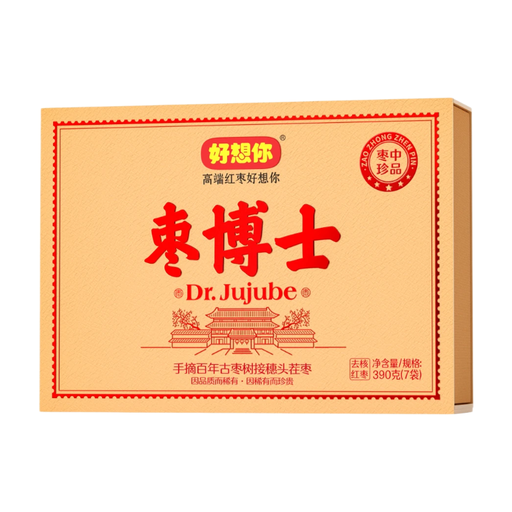 Image unavailable
Haoxiangni Dr.Jujube Premium Gold-Grade Pitted, 390 g
An option to compare if you’re looking for dried fruit with a fat content per 100 g listed in the product information.
The nutritional information provided lists 0 g of fat, 50 g of sugar and 327 kcal per 100 g. The description says to consume the product immediately after opening.
View at Joybuy
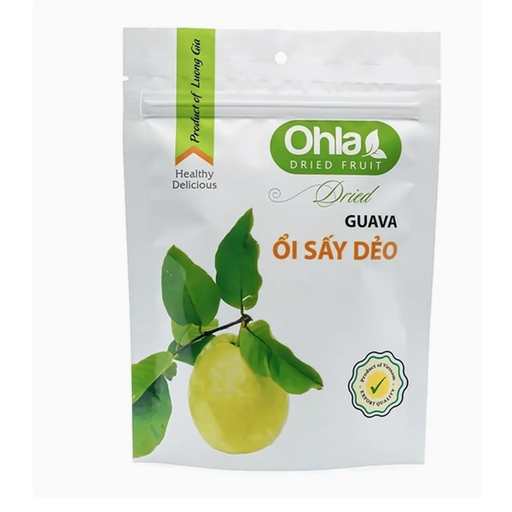 Image unavailable
OHLA Dried Guava, 180 g
Dried guava is an option if you’re looking for a snack that the product description says is ready to eat.
The nutritional information provided lists 1,73 g of fat per 100 g. The ingredients list includes guava, sugar and a preservative; the description recommends storing it in a cool, dry place and sealing the pack tightly after opening.
View at Joybuy
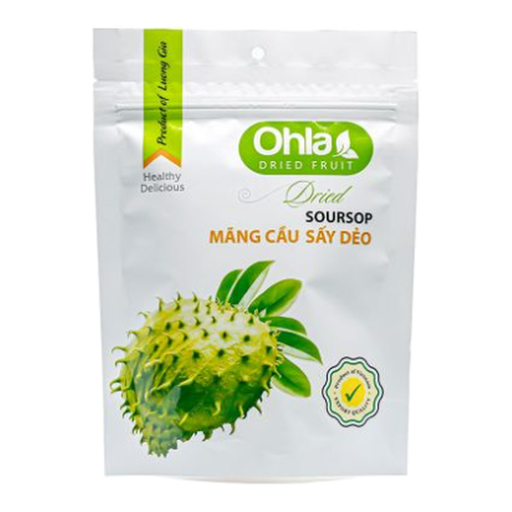 Image unavailable
OHLA Dried Soursop, 180 g
This dried soursop is an option if you’re looking for a ready-to-eat snack and want to take the ingredients into account when choosing.
The nutritional information provided lists 2,21 g of fat, 72,6 g of sugar and 348 kcal per 100 g. The ingredients list includes sugar, glucose and sodium metabisulphite (INS 223); the description recommends storing it in a cool, dry place and sealing the pack tightly after opening.
View at Joybuy
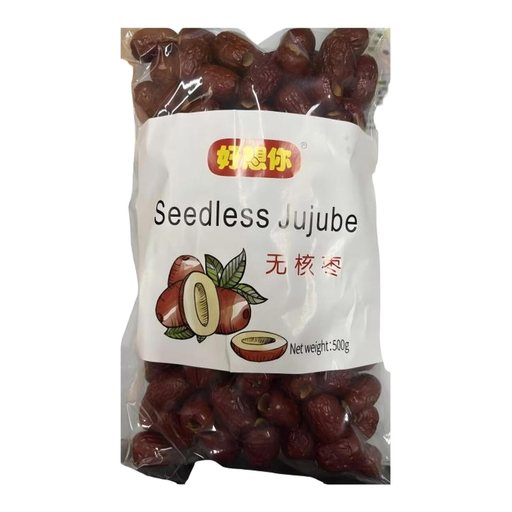 Image unavailable
Haoxiangni Pitted Jujubes, 500 g
According to the product description, the pitted jujubes are ready to eat as a snack.
The nutritional information provided lists 0,5 g of fat, 60 g of sugar and 300 kcal per 100 g. The description recommends storing them in a cool, dry place, preferably below 15°C, and sealing the pack tightly after opening.
View at Joybuy
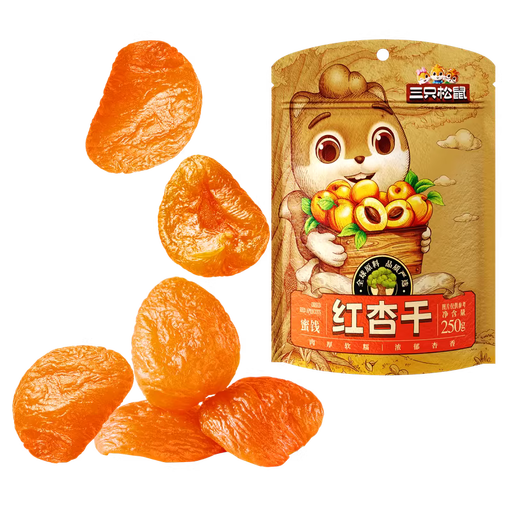 Image unavailable
Three Squirrels Red Apricot Dried, 250 g
These dried apricots are an option if you’re looking for a snack that the product description says is ready to eat.
The nutritional information provided lists 0 g of fat, 62 g of sugar and 311 kcal per 100 g. The ingredients list includes sugar, maltose syrup and sulphites; the description recommends storing them in a cool, dry place, away from direct sunlight.
View at Joybuy
Frequently asked questions
Does ‘low fat’ mean the same as ‘reduced fat’?
No. For solid foods, the European Commission defines the claim ‘low fat’ as no more than 3 g of fat per 100 g. ‘Reduced’ refers to a comparison with a standard product; the Netherlands Nutrition Centre says the relevant nutrient must be reduced by at least 30%. So assess these claims separately.
Can I keep an opened bag of soaked apricots in my tent?
For AH Soaked Dried Apricots, Albert Heijn says to refrigerate after opening at a maximum of 7°C. A tent doesn’t meet this temperature requirement. These instructions apply to this specific product and not necessarily to all apricots.
How should I compare portions of dried fruit?
Start with the nutritional information per 100 g, then compare the same measured quantity. Don’t treat one manufacturer’s portion size as a universal serving. The Netherlands Nutrition Centre recommends eating no more than a handful of dried fruit with no added sugar.
What allergen information should I check on dried fruit?
Check the ingredients and allergen information on the pack you buy. According to the Netherlands Food and Consumer Product Safety Authority, allergen information must appear on the label of pre-packed products; sulphites are among the allergens that must be declared. The Albert Heijn and PLUS apricots reviewed list sulphites.
Is fruit with no added sugar sugar-free?
No. ‘No added sugars’ doesn’t mean that the product contains no total sugars. Check the nutritional information and ingredients on the specific pack, and compare sugar per 100 g.


