
Campers with a food allergy
You’re looking for a snack whose ingredients and warnings match the specific substance you need to avoid. A general free-from claim isn’t enough.


Choose dried fruit based on the specific substance you need to avoid: ingredient lists, free-from claims and cross-contamination warnings answer different questions. Check all the information for the exact variety you’re taking, and choose the packaging and portion size to suit your stay. Unsweetened fruit or a resealable bag doesn’t automatically make a product suitable if you have an allergy.
You’re looking for a snack whose ingredients and warnings match the specific substance you need to avoid. A general free-from claim isn’t enough.
You want to see a clear dietary claim on the specific product variety, without mistaking it for a guarantee that it’s free from all allergens.
You’re looking for a suitable amount that you can reseal while you’re out and store according to the label.
Start with the substance you need to avoid, then read the full ingredients and allergen information. Consider the packaging, storage and portion size separately from the dietary claim.
| What to consider | What should you check? | Who is this important for? |
|---|---|---|
| Specific dietary suitability | Check the exact variety, ingredients, dietary claim and full allergen warning. | If I avoid gluten or lactose, I want to be able to find the claim on the exact pack. Around 33% of consumers prioritise specific dietary suitability. |
| Sulphites and preservatives | Check the ingredients list for sulphites or E220, and also read the allergen information. | If I need to avoid sulphites, I look beyond the type of fruit and check the preservative too. Around 27% of consumers focus primarily on avoiding sulphites. |
| Portion size and sugar | Check total and added sugars separately, and decide in advance how much to pack. | If I choose unsweetened fruit, I don’t assume that it’s sugar-free. Around 20% of consumers focus mainly on portion size and sugar information. |
| Packaging and storage | Check the pack size, closure and storage instructions on the label. | If I open a bag several times during my stay, I look for packaging and a place to store it that are suitable. Around 20% of consumers focus mainly on packaging and storage. |
Albert Heijn labels the AH pineapple included in the research as gluten-free and lactose-free, but the retailer also lists warnings for peanuts and several types of nuts.
Compare the substance you need to avoid with both the ingredients and the warnings on the exact variety.
PLUS labels the apricots included in the research as vegan, but the ingredients also list E220 and sulphites.
Consider vegan, unsweetened and sulphite information as separate characteristics.
For the pitted apricots and dates included in the research, Jumbo warns that fragments or remnants of pits may occasionally be present.
When eating or preparing them, also check for any pit fragments.
The Netherlands Nutrition Centre recommends storing dried mixed fruit in a cool, dry, dark place in a tightly sealed container.
Follow the label for your variety and take an amount you can store in the conditions specified.
If you can’t seal or store the remainder properly, food could go to waste.
For the 500 g sun-dried raisins and 80 g organic unsweetened pineapple included in the research, Albert Heijn states that they are gluten-free and lactose-free.
The varieties included in the research are pitted dried apricots and pitted dried dates, both in 250 g packs.
The 200 g fruit mix included in the research is available in cranberry and cranberry-and-raisin varieties.
ALDI Netherlands lists Trader Joe’s raisins in a 500 g pack.
The PLUS Dried Apricots included in the research come in a 375 g stand-up pouch.
Dirk lists pitted apricots in a 200 g pack.
These Joybuy products are dried-fruit snack options where the ingredient information and portion size are worth considering. A product listing doesn’t guarantee that a product is suitable for you if you have an allergy; check the information for the exact variety.
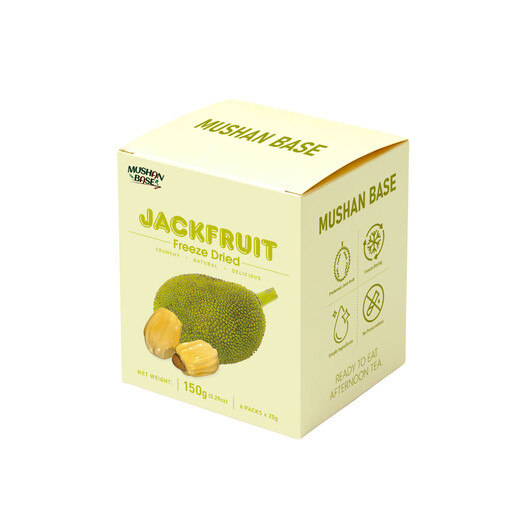 Image unavailable
The six individual bags are a handy option if you want to take snacks in single portions.
The product description lists jackfruit (100%) as an ingredient and states ‘None’ for allergens; check the packaging if a specific warning is important to you.
The description states that no sugar is added. Store in a cool, dry place away from direct sunlight.
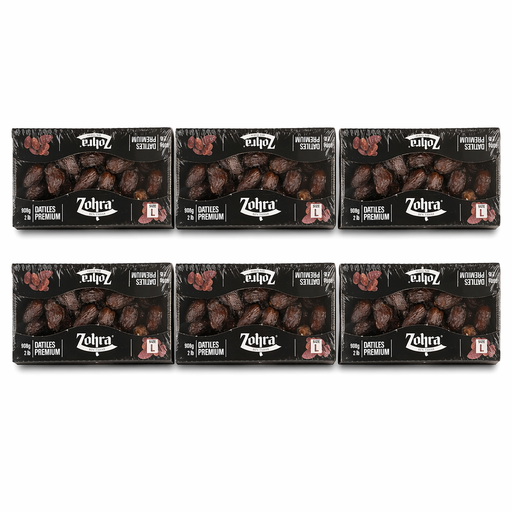 Image unavailable
This variety may suit you if you’re looking for dates to eat as they are or use in recipes.
The product description lists dates as an ingredient and states that the product contains none of the 14 major EU allergens. This isn’t a guarantee for your individual allergy.
Store in a cool, dry place and seal the pack tightly after opening.
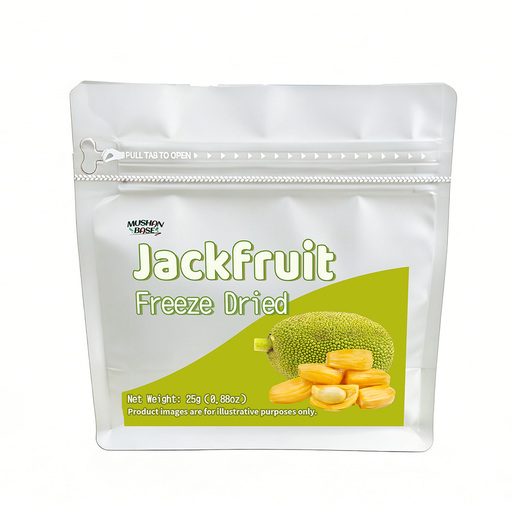 Image unavailable
The 25 g bag is a compact option if you want to take a small snack portion with you.
The product description lists jackfruit (100%) as the only ingredient and states ‘None’ for allergens; check the packaging if a specific warning is important to you.
The description states that no sugar or preservatives are added. Store in a cool, dry place away from direct sunlight.
 Image unavailable
This pack may suit you if you’re looking for dates to snack on or use in recipes.
The product description lists dates as an ingredient and states that the product contains none of the 14 major EU allergens. This isn’t a guarantee for your individual allergy.
Store in a cool, dry place and seal the pack tightly after opening.
 Image unavailable
The product description calls this a gluten-free date snack; check all the information if you also need to avoid other substances.
According to the product description, the ingredients are 100% dried dates; the allergen information states ‘None’.
The description states that no sugar or preservatives are added. Store in a cool, dry place and seal the pack tightly after opening.
No. Lactose intolerance concerns milk sugar; a milk allergy involves the immune system reacting to milk proteins. So check for milk ingredients and relevant warnings too, not just a lactose-free claim.
According to the Netherlands Food and Consumer Product Safety Authority (NVWA), new rules for allergen warnings have applied since 1 January 2026. The permitted wording is ‘May contain X’ and ‘Not suitable for people with an X allergy’. These are labelling rules, not a personal threshold for safe consumption.
Yes. The European Commission sets out the EU rules on when foods can be described as gluten-free or very low in gluten. Check the claim on the exact variety you’re considering.
Keep your gluten-free portion separate from crumbs from bread containing gluten. The Dutch Coeliac Society explains how crumbs can get into other food in a shared kitchen; storing and serving your food separately is a practical way to prevent this.
Follow the instructions on your product’s label. For dried mixed fruit, the Netherlands Nutrition Centre recommends storing it in a cool, dry, dark place in a tightly sealed container. A cupboard storage recommendation doesn’t guarantee that a warm tent will meet those conditions.