What should you look for when choosing?
First compare the energy content of equal portions, then consider ingredients, storage and how much you’ll need for your group.
Soaked dried apricots
A good choice if: you’re mainly looking for less energy in an equal-sized portion. Albert Heijn’s soaked apricots contain 182 kcal per 100 g, or 36.4 kcal in a calculated 20 g portion.
Worth noting: at 182 kcal per 100 g, they exceed the European Commission threshold for a ‘low calorie’ claim. Once opened, store these apricots in the fridge at a maximum of 7 °C.
Untreated dried apricots
A good choice if: you specifically want this type of apricot. Jumbo lists 237 kcal per 100 g, or 47.4 kcal in a calculated 20 g portion.
Worth noting: Jumbo lists sulphites and possible traces of nuts, peanuts and sesame. The pack also warns that occasional stone fragments may be present.
Prunes
A good choice if: you want to serve prunes. PLUS Dried Prunes contain 282 kcal per 100 g, or 56.4 kcal in a calculated 20 g portion.
Worth noting: the PLUS pack lists 0 g of added sugars, but also sunflower oil and the preservative E200. No added sugar doesn’t automatically mean less energy.
Dried fruit with added sugar
A good choice if: you deliberately want to offer a sweetened fruit option and have checked its ingredients.
Worth noting: according to the Netherlands Nutrition Centre, dried fruit with added sugar isn’t included in the Wheel of Five. Compare the total energy content too, and treat it as a product with a different composition.
| What to consider |
What should you check? |
Who is this important for? |
| Energy per portion |
Compare kcal per 100 g and use the same portion size; don’t use general nutritional values as a substitute for the label on a specific product. |
I want to know how much energy I’m serving on the sharing platter, not just what’s in 100 g. That’s why around 42% of consumers prioritise calories per portion. |
| Ingredients and allergens |
Check the ingredients, total sugars and allergen information on the current pack separately. |
I want to be able to check whether added sugar, sulphites or possible traces are relevant for me or my guests. Around 25% of consumers prioritise ingredients and allergens. |
| Serving and storage |
Check the storage instructions for after opening and any warnings about stone fragments. |
I want to be able to prepare the platter easily and know how to store an opened pack. Around 17% of consumers mainly choose based on how easy a product is to serve and store. |
| Quantity for the group |
Compare the net weight with how much you need and check the current price per kilo. |
I want to choose a pack that suits the group, so the quantity and cost work for us. Around 16% of consumers mainly consider pack size and cost. |
For solid foods, the European Commission sets the maximum for a ‘low calorie’ claim at 40 kcal (170 kJ) per 100 g. The AH, Jumbo and PLUS products checked all exceed this, at 182, 237 and 282 kcal per 100 g respectively. The Netherlands Nutrition Centre recommends a maximum of 20 g of dried fruit per day. This is a recommendation for your whole day, not a legally defined portion size for a get-together.
Joybuy products
This selection from Joybuy includes prunes and apricots, including varieties with added sugars. Compare the nutritional information per 100 g with the portion you want to serve.
 No image available
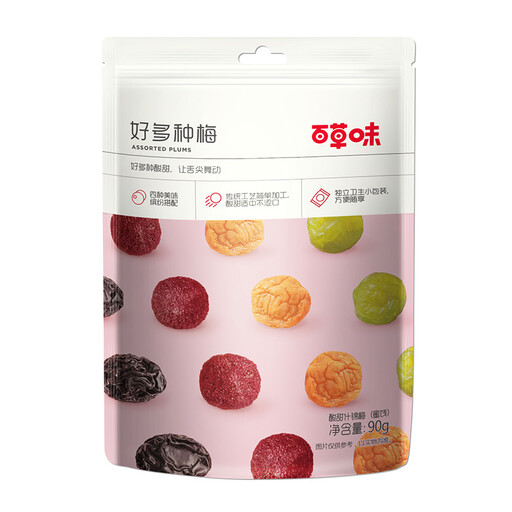
Be&Cheery dried prunes, 90 g
A sharing-friendly option if you’re considering prunes as a snack for your get-together; work out the nutritional values for the portion you’ll serve.
The product information lists 68 kcal per 100 g and 3.0 g of salt per 100 g. The ingredients list includes sugar and sweeteners. At 68 kcal per 100 g, the product doesn’t meet the threshold for a ‘low calorie’ claim.
View on Joybuy
 No image available
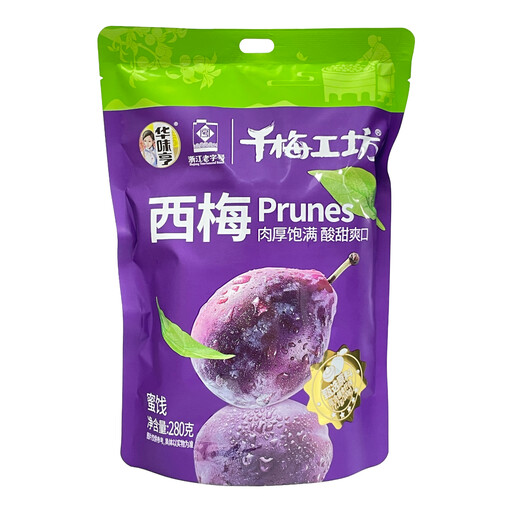
Huaweiheng dried prunes, 280 g
An option if you’re looking for prunes to share; check the energy per portion and the ingredients before choosing.
The nutrition table lists 285 kcal per 100 g, or 57 kcal in a calculated 20 g portion. The ingredients list includes sugar and crystalline fructose. The product doesn’t meet the threshold for a ‘low calorie’ claim.
View on Joybuy
 No image available
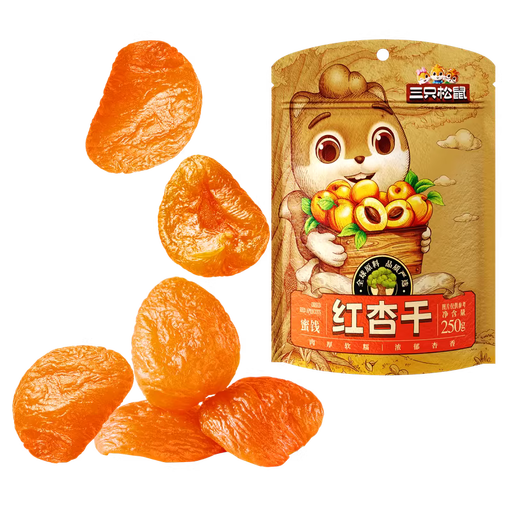
Three Squirrels dried red apricots, 250 g
A good option if you want to share apricots; check the added ingredients and nutritional values for this variety.
The table lists 311 kcal per 100 g, or 62.2 kcal in a calculated 20 g portion. The ingredients list includes sugar and maltose syrup; the product contains sulphites. It doesn’t meet the threshold for a ‘low calorie’ claim.
View on Joybuy
 No image available
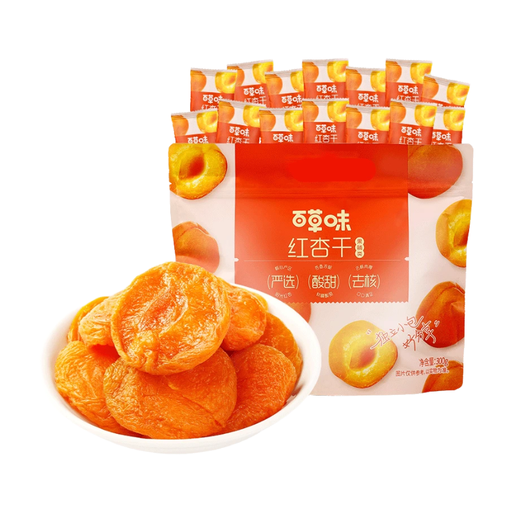
Be&Cheery dried red apricots, 300 g
An option if you want to serve dried apricots on your sharing platter; tailor the portion to the nutritional values on this pack.
The nutrition table lists 327 kcal per 100 g, or 65.4 kcal in a calculated 20 g portion. The ingredients list includes sugar and maltose syrup; the product contains sulphites. It doesn’t meet the threshold for a ‘low calorie’ claim.
View on Joybuy
 No image available
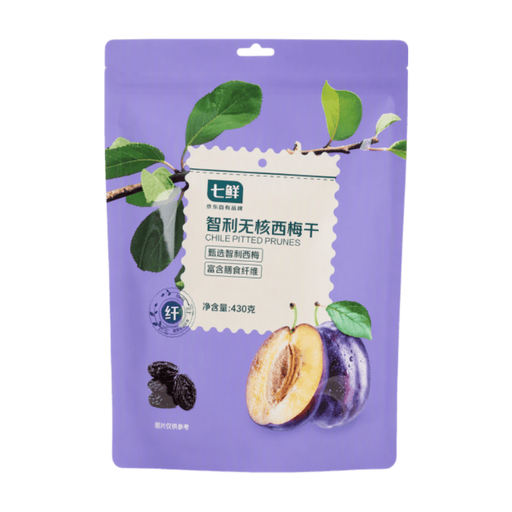
7FRESH pitted prunes, 430 g
A good option if you’re looking for prunes with no other listed ingredients and want a pack to share.
The ingredients list contains only dried prunes. The nutrition table lists 283 kcal per 100 g, or 56.6 kcal in a calculated 20 g portion. The product doesn’t meet the threshold for a ‘low calorie’ claim.
View on Joybuy
Frequently asked questions
Does 40 kcal per portion mean dried fruit is low calorie?
No. For solid foods, the European Commission threshold for a ‘low calorie’ claim is a maximum of 40 kcal per 100 g, not per small portion. The three AH, Jumbo and PLUS products checked are all above this threshold.
Is 20 g a legally defined portion for every guest?
No. The Netherlands Nutrition Centre recommends a maximum of 20 g of dried fruit per day. Include any dried fruit you’ve already eaten that day in this amount; it’s nutritional advice, not a legally defined portion size.
Can I store all opened packs of dried fruit outside the fridge?
Follow the instructions on the specific pack. AH Soaked Dried Apricots should be refrigerated at a maximum of 7 °C after opening. The Jumbo apricots and PLUS prunes checked should be stored in a cool, dry, dark place.
What should I check if a guest avoids sulphites or other allergens?
Read the ingredients and allergen information on the current pack, and keep it with the platter. The AH and Jumbo apricots checked contain sulphites; Jumbo also lists possible traces of nuts, peanuts and sesame.
Can a product with no added sugar still contain a lot of total sugars?
Yes. For its soaked apricots, Albert Heijn lists 0 g of added sugars and 37 g of total sugars per 100 g. For its dried prunes, PLUS lists 0 g of added sugars and 38.1 g of total sugars per 100 g. Check both figures separately.


