What should you look for when buying?
When stocking up on dried fruit, portion energy, how much you use, ingredients and cost all play a part in your choice.
| What to consider |
What should you check? |
Who is this most important for? |
| Energy per portion |
Compare the kcal per 100 g for the exact variety, then calculate the energy in the portion you’ve weighed. |
If I’m carefully weighing my snack portion, I compare both the nutritional information per 100 g and the number of grams I eat. Around 29% of shoppers put energy per portion first. |
| Usage and storage |
Check the net weight and storage instructions before and after opening. |
I want to finish a pack without leaving it open for longer than necessary, so I consider how much I use and the product instructions. Around 29% of shoppers prioritise buying the right amount to manage their stock. |
| Ingredients and allergens |
Read the full ingredients list and check total sugars, added sugar, oil and allergens separately. |
If the ingredients or a personal sensitivity affect my choice, I check the ingredients and allergen information for that variety. Around 24% of shoppers put ingredients first when buying. |
| Cost for the amount you use |
Compare the current price per kilo for the same variety, taking into account how much you’ll actually use. |
I want to know what the amount I actually finish will cost, not just how much is in the bag. Around 18% of shoppers prioritise the cost of the amount they’ll use. |
Joybuy products
This selection includes dried dates, raisins and prunes in packs ranging from 90 to 908 g. Pack size alone doesn’t tell you the energy per portion; compare the nutritional information for the exact variety.
 Image unavailable
Zohra Medjool dates (M) 908 g
The 908 g pack suits a stocking-up shop if you can match this amount to how much you use.
The product description advises storing in a cool, dry place and keeping the pack sealed.
Joybuy
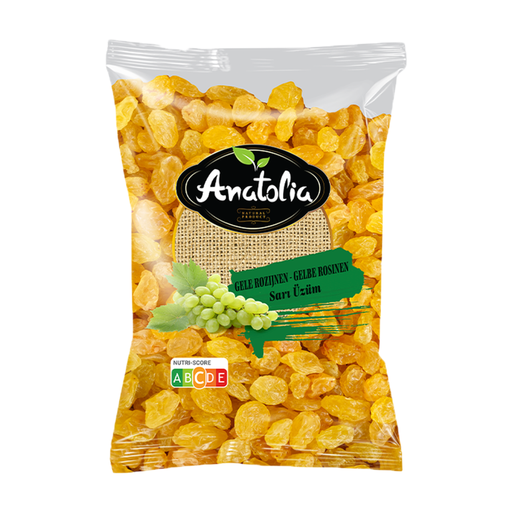 Image unavailable
Anatolia Sari Uzum raisins 500 g
This 500 g pack is a stocking-up option if you can use it as a snack or in meals.
The product description lists 100% dried grapes and advises resealing the pack tightly after opening and storing it in a cool, dry place.
Joybuy
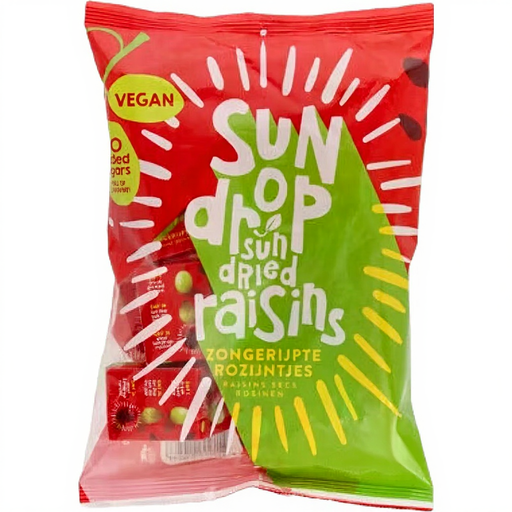 Image unavailable
Sundrop Mini Raisin Handouts 252 g
The description mentions mini portions of raisins, which may be useful if you want to keep portions separate.
The pack weighs 252 g. The product description lists 99.5% raisins and sunflower oil, and advises resealing it tightly after opening and storing it in a cool, dry place.
Joybuy
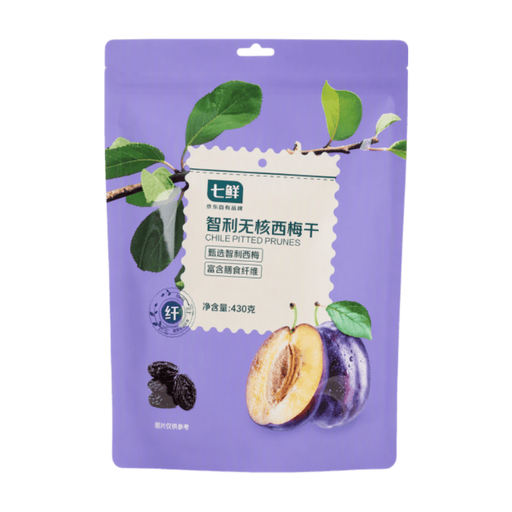 Image unavailable
7FRESH Pitted Prunes 430 g
This 430 g pack is suitable for stocking up if you can use the contents in line with the product instructions.
The product description lists 283 kcal per 100 g and says the contents should be consumed immediately after opening.
Joybuy
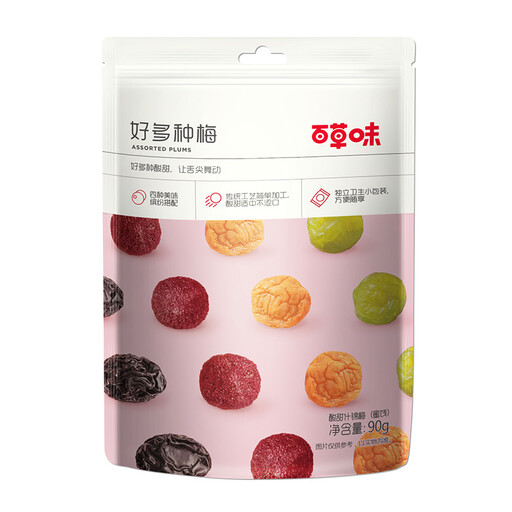 Image unavailable
Be&Cheery Various Dried Plum 90 g
The 90 g pack is a smaller amount to weigh against how much you use.
The product description lists 68 kcal per 100 g. Check the nutritional information and storage instructions on the exact pack.
Joybuy
Frequently asked questions
Can a small portion of dried fruit be called low in calories?
Not simply because that portion contains few calories. For solid foods, a ‘low energy’ claim is subject to a maximum of 40 kcal (170 kJ) per 100 g. The five supermarket varieties checked are above this threshold, so check the value per 100 g and the energy in the portion you weigh out.
Is 20 grams a legal maximum portion?
No. The Netherlands Nutrition Centre’s advice to eat a maximum of 20 grams of dried fruit a day is dietary advice, not a legal portion limit. It also doesn’t mean that a product meets the threshold for a ‘low energy’ claim.
Can you always keep dried fruit in the cupboard after opening?
Follow the instructions for the exact variety. For its soaked dried apricots, Albert Heijn advises refrigerating them at a maximum of 7 °C after opening. Other apricot and prune pages checked advise storing them in a cool, dry, dark place. Don’t infer a general storage period from this advice.
How do you work out how much to stock up on?
Divide the pack weight by the weight of your portion. For example, a 500 g pack gives you 25 portions of 20 g. This calculates the number of portions; it doesn’t guarantee how long an opened bag will keep.
What should you check if you’re sensitive to sulphites?
Read the allergen information and any warnings on the current pack. The Albert Heijn, Jumbo and PLUS apricots checked contain sulphites. The NVWA explains that any allergens present must be clearly distinguished from the other ingredients.


