What should you look for when choosing?
First compare the energy per equal serving, then check the ingredients, allergens, storage instructions and pack size. This makes it easier to see which factor matters most for your garden party.
| What to consider |
What should you check? |
Who should pay particular attention? |
| Calories per serving |
Compare kcal per 100 g and weigh out the same serving of each product, for example 20 g. |
If I want to compare the calories in my snacks, I look at a set serving size rather than the product name. Around 39% of consumers put calories per snack serving first. |
| Sugars and allergens |
Read the ingredients list, the total sugars figure and the allergen information on the exact pack. |
When sharing food, I want to know whether any ingredients or allergen warnings are relevant to my guests. Around 23% of consumers give ingredients or allergens top priority. |
| Storage and serving |
Follow the storage advice after opening; put out a small amount and store the rest as directed on the pack. |
When serving food outdoors, I want to store the rest properly and keep the serving bowl separate from raw barbecue meat. Around 23% of consumers put practical serving considerations first. |
| Pack size |
Compare the net weight with the number of servings you’re planning, and consider how to store any leftovers. |
I want to buy the right amount for my guests and avoid choosing a large bag just because its size makes it look appealing. Around 15% of consumers put pack size and cost first. |
Joybuy products
These Joybuy products are a good fit for a garden party with servings of raisins, prunes or dried guava. Compare the energy per 100 g and check the ingredients and serving information on the exact pack.
 No image available
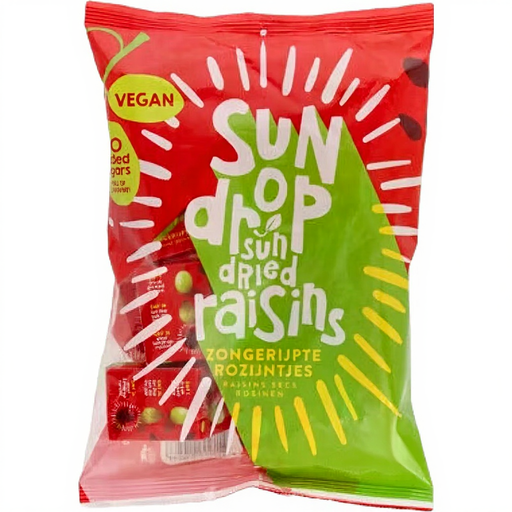
Sundrop Mini Raisin Handouts, 252 g
Individually portioned raisins for a snack that’s ready to serve; the product information lists sunflower oil in the ingredients.
The ingredients list states 99.5% raisins and sunflower oil, with no sugar listed.
View at Joybuy
 No image available
De Kleine Keuken Organic Raisins 12M+, 140 g
The individual boxes are designed for handing out raisins in single servings.
The product information states that the pack contains 10 boxes of 14 g and organic raisins with no added sugars.
Suitable from 12 months; supervise children while they eat. Not suitable for children with swallowing difficulties.
View at Joybuy
 No image available
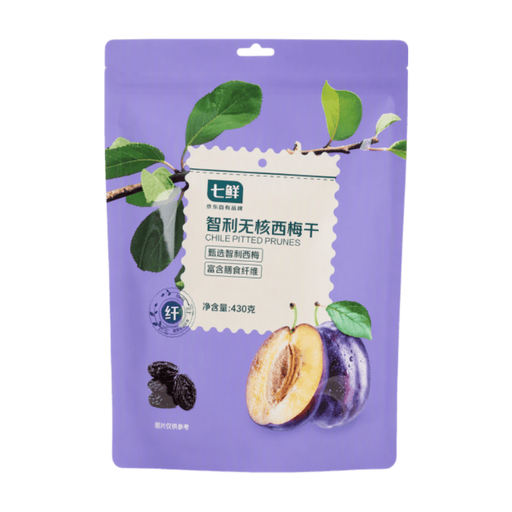
7FRESH Pitted Prunes, 430 g
The product information describes these pitted prunes as a ready-to-eat snack.
The ingredients list contains only dried prunes; the stated energy is 283 kcal per 100 g.
The product information recommends consuming the contents immediately after opening. Don’t describe this product as low in calories.
View at Joybuy
 No image available
OHLA Dried Guava, 180 g
An option if you want to serve dried guava as a snack; the ingredients list states guava and sugar.
The product information states 95% guava and 308 kcal per 100 g. Sugar is listed in the ingredients; don’t describe this product as low in calories.
View at Joybuy
 No image available
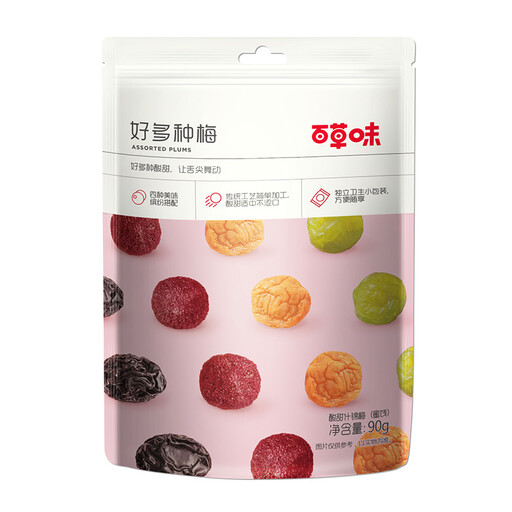
Be&Cheery Various Dried Plum, 90 g
The product information describes a bag of assorted dried plum flavours to share.
The ingredients list states plums and white sugar; the stated energy is 68 kcal per 100 g. Don’t describe this product as low in calories.
View at Joybuy
Frequently asked questions
Can a small serving of dried fruit be described as low in calories?
No. A small serving doesn’t change the threshold for the claim. For solid foods, the European Commission sets a maximum of 40 kcal (170 kJ) per 100 g. You can state the calories in a clearly specified, weighed serving without describing the product as low in calories.
Why might general nutritional information differ from a supermarket label?
A general figure doesn’t necessarily match the nutritional information for a specific pack. The Netherlands Nutrition Centre states 40 kcal for a general 20 g serving of dried prunes; based on a 20 g serving, the Jumbo and PLUS labels checked work out at 56.4 kcal. Use the information for the exact product when making your purchase.
Can an opened pack of ready-to-eat apricots be left out all afternoon?
Follow the pack instructions for Albert Heijn’s ready-to-eat apricots: after opening, they must be kept refrigerated at a maximum of 7°C. Put out a small serving and keep the rest chilled. This instruction applies to this product and not automatically to all dried fruit.
Where can I check allergens for a shared snack table?
Check the allergen information on the exact pack you’re serving. The Netherlands Food and Consumer Product Safety Authority (NVWA) states that allergen information must appear on the label of pre-packed products. Listed allergens include sulphites, peanuts and nuts.
Does a larger pack of dried fruit contain fewer calories?
No. A higher net weight doesn’t make the contents lower in calories per 100 g. Compare the nutritional information per 100 g and work out how much you need based on the servings you’re planning. Follow the storage instructions on the pack for any leftovers.


