
Football fans keeping an eye on calories
You want something sweet while watching the Netherlands, but you’re mindful of the energy in a weighed portion. The Netherlands Nutrition Centre recommends eating no more than 20 g of dried fruit a day.


Start by weighing out a portion, then compare the energy per 100 g of the exact product. The Netherlands Nutrition Centre recommends eating no more than 20 g of dried fruit a day. Albert Heijn lists 182 kcal per 100 g for the soaked apricots reviewed, compared with 254 kcal for PLUS apricots and 282 kcal for Jumbo prunes. Of these three options, the soaked apricots have the lowest energy per 100 g, but none meets the European Commission’s threshold of 40 kcal per 100 g for a ‘low energy’ claim.
You want something sweet while watching the Netherlands, but you’re mindful of the energy in a weighed portion. The Netherlands Nutrition Centre recommends eating no more than 20 g of dried fruit a day.
You want to tell the difference between naturally occurring sugars, added sugar and preservatives. PLUS’s nutritional information, for example, distinguishes between total and added sugars.
You’re buying snacks for several people and want to match the pack size to how much will be eaten. The Albert Heijn and Jumbo products reviewed also have different storage instructions once opened.
First, decide what matters most for your football evening, then choose your product and portion accordingly. The table matches each consideration with the shoppers who prioritise it.
| What to consider | What to look for when buying | Who is this important to? |
|---|---|---|
| Energy per portion | Compare kcal per 100 g and weigh out your own portion. The Netherlands Nutrition Centre recommends eating no more than 20 g of dried fruit a day. | I want to know how much energy is in my weighed snack portion, not just what’s listed per 100 g. Around 42% of consumers put energy per portion first. |
| Added sugar and ingredients | Read the ingredients list and check total sugars and added sugar separately. | I want to check whether sugar has been added and what other ingredients are in the product. Around 25% of consumers prioritise ingredients and added sugar. |
| Allergens and sulphites | Check the current ingredients and allergen information on the packaging of the exact product. | If I need to consider sulphite sensitivity or a food allergy, I want to check the label before sharing snacks. Around 17% of consumers prioritise suitability for people with a sensitivity or allergy. |
| Pack size and storage | Choose a pack size that suits the number of portions and follow the storage instructions for the specific product once opened. | I want to work out in advance how much I need and how to store any leftovers. Around 16% of consumers prioritise portion planning and storage. |
This claim refers to added ingredients, not the total energy content. The PLUS product, for example, lists 0 g of added sugar and 53.4 g of total sugars per 100 g.
Check the ingredients, total sugars and energy separately, and compare products on the same basis.
A pack may contain several portions; the Netherlands Nutrition Centre recommends eating no more than 20 g of dried fruit a day.
Weigh out how much you want to eat beforehand, rather than snacking straight from the bag.
Storage instructions can vary by product. For the soaked apricots reviewed, Albert Heijn specifies a maximum temperature of 7 °C once opened; Jumbo says to store the prunes reviewed in a cool, dry, dark place.
Once opened, follow the instructions on the packaging of the exact variant you bought.
These product examples provide context for the supermarket brands mentioned; they don’t, in themselves, indicate availability or represent the full range.
The variant reviewed is AH Soaked Dried Apricots, in a 250 g pack.
The variant reviewed is Pitted Dried Prunes, in a 500 g pack.
Alesto offers dried fruit, including mango strips, alongside other snacks.
At ALDI Netherlands, TRADER JOE'S Sun-dried Apricots are sold in a 250 g pack.
The PLUS Dried Apricots reviewed come in a 375 g stand-up pouch.
Dirk sells apricots under its 1 de Beste own-label brand; the pack reviewed contains 375 g.
These Joybuy product picks include dried fruit and fruity snacks for an evening in front of the telly. Check the ingredients and nutritional information for each product, as the types and available specifications vary.
 Image unavailable
If you’re looking for a ready-to-eat fruit snack with the stones removed, the product description says these dates are pitted, made from 100% fruit and contain no additives.
Pack size: 908 g.
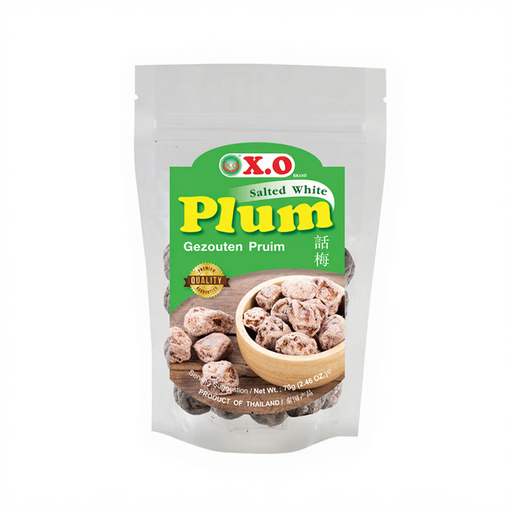 Image unavailable
If you’re looking for a plum snack in a compact pack, the product description lists plum as the main ingredient.
The product information lists 86% plum, salt, sugar and sulphite. Check the ingredients and warnings on the packaging.
Pack size: 70 g.
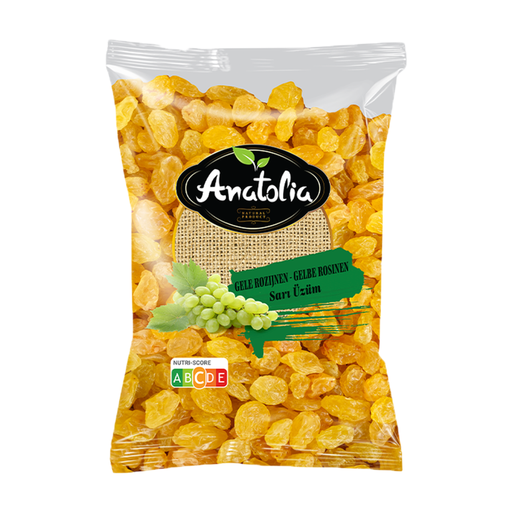 Image unavailable
If you’re looking for raisins as a ready-to-eat fruit snack, the product information states that they’re made from 100% dried grapes.
Pack size: 500 g. Storage advice: store in a cool, dry place.
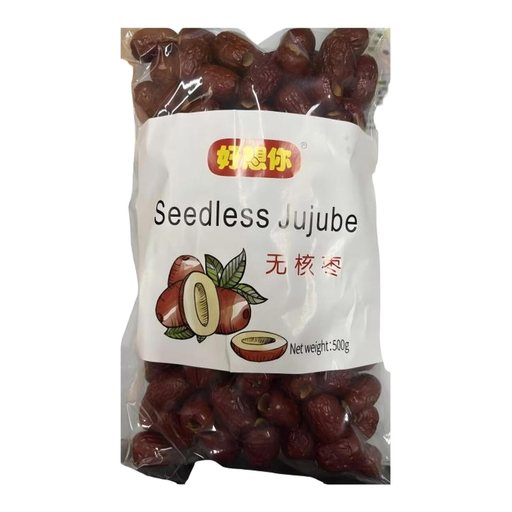 Image unavailable
If you’re looking for pitted jujubes that are ready to eat, the product description states that they’re made from 100% red dates.
The product description lists 300 kcal per 100 g. This is above the European Commission’s threshold of no more than 40 kcal per 100 g for a ‘low energy’ claim.
Pack size: 500 g.
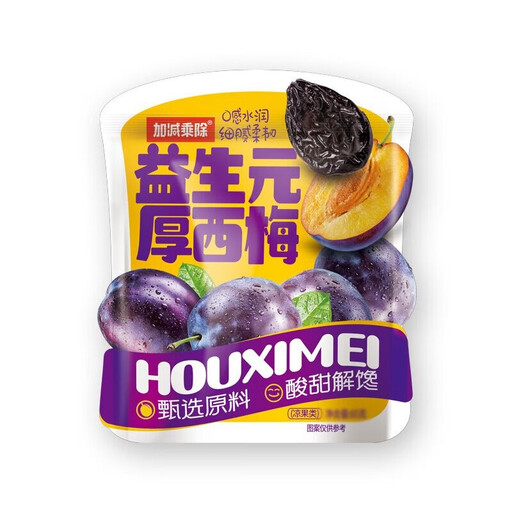 Image unavailable
If you’re looking for prunes in individual portion packs, this variant is available in 65 g packs.
The product description lists 214 kcal per 100 g and names prunes, fructose syrup and oligofructose as ingredients. The stated energy is above the European Commission’s threshold of no more than 40 kcal per 100 g for a ‘low energy’ claim.
The Netherlands Nutrition Centre recommends eating no more than 20 g of dried fruit a day. Weigh out your portion beforehand and count anything you’ve already eaten that day; this is dietary advice, not a legal portion limit.
Comparing products per 100 g gives you a consistent basis, while suggested portion sizes may vary. Calculate the energy in your own portion using: kcal per 100 g × portion weight in grams ÷ 100. Your Europe, the European Union’s website, explains that nutritional information is given per 100 g or 100 ml.
For solid foods, the European Commission sets a maximum of 40 kcal (170 kJ) per 100 g for a ‘low energy’ claim and claims with the same meaning. The declared values for the Albert Heijn and PLUS apricots and the Jumbo prunes reviewed are all higher: 182, 254 and 282 kcal per 100 g respectively.
No. According to the Netherlands Nutrition Centre, ‘no added sugars’ doesn’t rule out sugars that occur naturally in the product. A ‘sugar-free’ claim allows a maximum of 0.5 g of sugar per 100 g or 100 ml.
Read the ingredients and allergen information on the packaging of the exact product. Stichting Voedselallergie reports that sulphites can be found in dried fruit; according to the Netherlands Food and Consumer Product Safety Authority, allergen information for prepacked products must appear on the label.