
Calorie-conscious lunch snackers
You’d like a small, sweet addition to your university lunch and want to know how much energy your portion provides. ‘No added sugars’ doesn’t mean the same as ‘low in calories’.


Start by comparing the energy per 100 g, then work out the amount for the portion you want with your lunch. ‘No added sugars’ doesn’t automatically mean ‘low in calories’. The four products from AH, Jumbo and PLUS reviewed here all exceed the threshold for this nutrition claim, with labels stating 182, 254 or 282 kcal per 100 g.
You’d like a small, sweet addition to your university lunch and want to know how much energy your portion provides. ‘No added sugars’ doesn’t mean the same as ‘low in calories’.
You buy a bag to enjoy with several lunches and divide it up at home. In that case, the pack size and storage instructions after opening are worth checking.
Your choice may depend on the ingredients or allergens, such as sulphites or a warning about nuts and peanuts. Check this information if you need to avoid these substances.
First compare the same quantity of the exact product. Then decide whether the portion, ingredients and storage instructions suit your lunch.
| What to consider | What to look for | Who is this important for? |
|---|---|---|
| Energy per portion | Compare the kcal per 100 g on the label, then work out the amount for your weighed portion. | If I want to know how much energy my lunch snack provides, I look at the amount I’ll actually take with me. An estimated 46% of consumers prioritise energy per portion. |
| Sugars and ingredients | Read both the ingredients list and the ‘of which sugars’ figure, and compare them with the energy per 100 g. | If I want to avoid added sugars, I also check the total sugars and energy. An estimated 27% of consumers prioritise ingredients and added sugars. |
| Portioning and storage | Check the instructions for after opening and divide the contents into portions that suit your lunch. | If I prepare portions at home for several lunches, I want to know how to store the product after opening. An estimated 18% of consumers prioritise preparation and storage. |
| Allergens | Check the current ingredients and allergen information for the exact product. | If I need to avoid sulphites, nuts or peanuts, I check the product information before choosing. An estimated 9% of consumers make allergen suitability their main consideration. |
A product can contain no added sugars and still provide energy and total sugars. For a ‘low-calorie’ claim on solid foods, the limit is 40 kcal (170 kJ) per 100 g, according to the European Commission.
Check both the ingredients and the energy per 100 g, then assess your weighed portion.
The Voedingscentrum provides average figures for food categories; values can vary by brand. Soaked and regular dried apricots also have separate listings.
When choosing a product, use the label on the exact pack and compare the same preparation and weight.
A pack or manufacturer’s serving may not match the amount you want to eat with your lunch. AH states a manufacturer’s serving of 50 g for its soaked apricots; the Voedingscentrum recommends a maximum of 20 g of dried fruit per day. This is a recommendation, not a legal serving size.
Weigh the amount you want to take with you in advance, and follow the label’s storage instructions for the rest.
AH Soaked Dried Apricots must be refrigerated after opening at a maximum of 7°C and contain sulphites. The Jumbo prunes reviewed here carry a warning about the possible presence of nuts and peanuts.
Check the information for the exact product before choosing, especially if an allergen is relevant to you.
The option reviewed is AH Soaked Dried Apricots, 250 g, for use as a snack or topping.
The own-brand option reviewed is Jumbo Pitted Dried Prunes, 250 g, product code 775378CUP.
Alesto is the Lidl dried fruit range reviewed here, which includes mango strips.
The Dutch option reviewed is TRADER JOE'S Sun-Dried Prunes, 250 g.
The own-brand products reviewed are dried apricots in a 375 g stand-up pouch and dried prunes in a 375 g bag.
The option reviewed is 1 de Beste Pitted Prunes, 375 g, for portioning yourself.
This selection of Joybuy products includes dates, prunes and jujubes. Product information and packaging vary, so compare the label on the exact product before choosing a portion.
 No image available
The product information describes these Medjool dates as a snack. Check the label for the energy per 100 g and adjust your portion accordingly.
 No image available
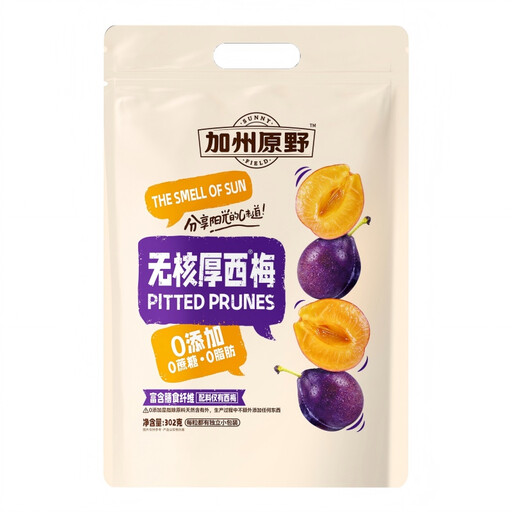
The product information states that these come in individual packs and contain 224 kcal per 100 g. Compare this figure with your portion size; the product does not meet the European Commission’s threshold for a ‘low-calorie’ claim of no more than 40 kcal per 100 g.
The ingredients information lists 100% prunes.
 No image available
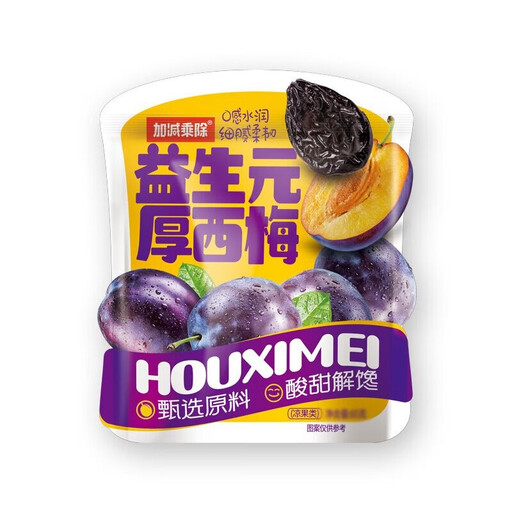
The product information states that these come in individual packs and contain 214 kcal per 100 g. Work out the energy for the amount you eat; this figure exceeds the European Commission’s threshold for a ‘low-calorie’ claim of no more than 40 kcal per 100 g.
The ingredients information lists prunes, fructose syrup and oligofructose.
 No image available
The product information states that these contain 300 kcal per 100 g. The red dates are described as pitted; check the portion size and current label before adding them to your lunch.
This energy value exceeds the European Commission’s threshold for a ‘low-calorie’ claim of no more than 40 kcal per 100 g.
 No image available
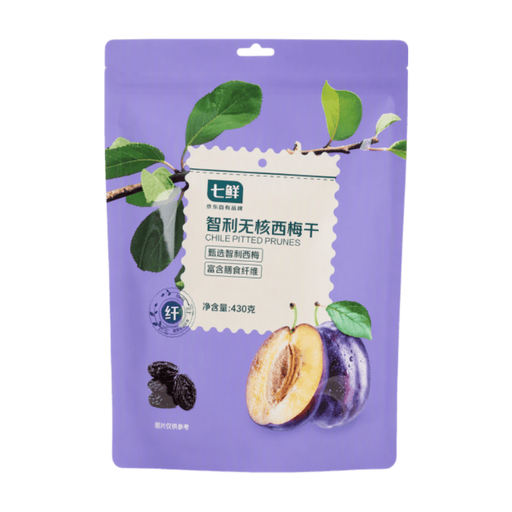
The product information describes these dried prunes as soft and pitted, and states that they contain 283 kcal per 100 g. Adjust your portion accordingly; the European Commission’s threshold for a ‘low-calorie’ claim is no more than 40 kcal per 100 g.
No, a small portion doesn’t justify that claim. For solid foods, the limit is 40 kcal (170 kJ) per 100 g; the European Commission explains this requirement. The stated energy values of the AH, Jumbo and PLUS products reviewed are all above this limit.
The Voedingscentrum recommends a maximum of 20 g of dried fruit per day. This is dietary advice, not a legal serving size. Weigh the amount you take with you; the number of pieces varies by fruit and product.
Compare the same weight and specify which form you’re eating. The Voedingscentrum lists separate average calorie-checker values for dried and soaked apricots. Don’t use these averages as the label value for a specific pack.
No, follow the instructions for the exact product. Albert Heijn states that AH Soaked Dried Apricots must be refrigerated after opening at a maximum of 7°C. The Jumbo and PLUS prunes reviewed should be stored in a cool, dry and dark place.
Ask the canteen for the product’s allergen information. The Netherlands Food and Consumer Product Safety Authority states that allergen information must be available for both packaged and unpackaged food. If staff provide this information verbally for unpackaged products, it must be clear that you can ask for it.