What should you look for in dried fruit for a get-together?
| What to consider |
What should you look for? |
Who is this important for? |
| Energy per portion |
Compare the kcal per 100 g on the label, then calculate the value for the amount you’ve weighed out. |
If I want to choose my portion carefully, I first compare the same amount of fruit. This matters to around 36% of consumers who prioritise energy values for equal quantities. |
| Portion control |
Check the weight of each box or weigh out the amount you plan to serve. |
If I don’t want to keep dipping into a large bag, having a set portion helps me decide. Around 29% of consumers prioritise a fixed amount. |
| Ingredients and allergens |
Read the ingredients list and check both ‘contains’ and ‘may contain’ on the exact label. |
If I’m buying for guests, I check the ingredients and warnings for the pack I’ve chosen. This matters to around 21% of consumers who base their choice on ingredients or allergens. |
| Storage and serving |
Check the storage instructions after opening, the pack size and how many portions you need. |
If I’m hosting, I want to know whether the pack needs to be kept chilled and how to serve the fruit easily. Around 14% of consumers prioritise storage and serving arrangements. |
The label values vary across the products checked: AH Soaked Dried Apricots list 182 kcal per 100 g, Jumbo Pitted Dried Apricots 237 kcal, and the PLUS and Jumbo prunes checked both list 282 kcal. These figures apply to these specific products, not to all apricots or prunes.
Voedingscentrum recommends eating no more than 20 g of dried fruit a day. This is dietary advice, not a legal product limit, so include any you’ve already eaten that day. A portion shown on the pack may be larger: according to Albert Heijn, the 50 g serving on the label of AH Soaked Dried Apricots provides 91 kcal.
Joybuy products for a dried fruit get-together
This selection includes dried prunes, red jujubes and apricots. Compare the listed kilocalories per 100 g and check the packaging and ingredients for each variety.
 No image available
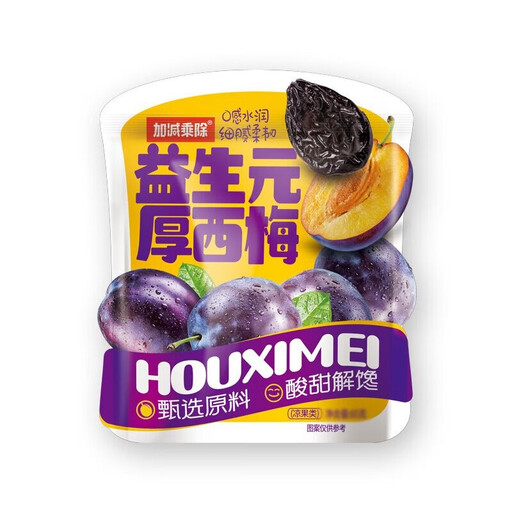
Jia Jian Cheng Chu Prebiotic Thickened Prunes, 65 g
The individual 65 g pack is a handy option if you want to set aside a portion in advance.
Lists 214 kcal per 100 g. The ingredients include fructose syrup and oligofructose.
Joybuy
 No image available
Haoxiangni Pitted Jujubes, 500 g
The 500 g pack is designed for weighing out your own portions of red jujubes.
The ingredients list 100% red dates; the nutritional information lists 300 kcal per 100 g.
Joybuy
 No image available
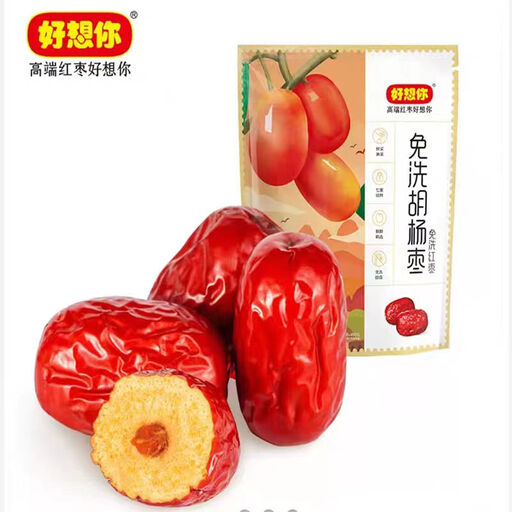
Haoxiangni No-Wash Red Jujube with Pit, 450 g
The 450 g pack is an option if you’d like to put red jujubes on the table for everyone to help themselves.
The product title states that the jujubes contain stones; the nutritional information lists 331 kcal per 100 g.
Joybuy
 No image available
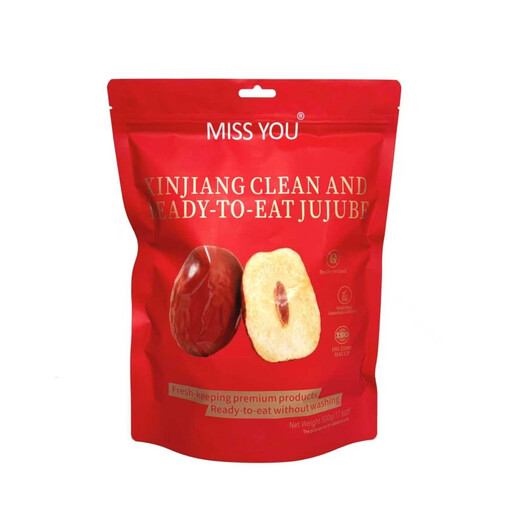
Haoxiangni Grade A Wash-Free Jujubes, 500 g
The 500 g pack is an option if you’re preparing jujubes for a group.
The product description lists 100% jujube and says they don’t need washing. The nutritional information lists 304 kcal per 100 g.
Joybuy
 No image available
Three Squirrels dried red apricots, 250 g
The product description says the apricots are suitable for sharing and come in a resealable pack.
The nutritional information lists 311 kcal per 100 g. The ingredients include sugar and maltose syrup; the product contains sulphites.
Joybuy
Frequently asked questions
Is 40 kcal per portion the same as ‘low calorie’?
No. According to the European Commission, a claim for solid foods requires no more than 40 kcal (170 kJ) per 100 g. So a small portion containing few kilocalories does not automatically mean the product meets this requirement.
How much dried fruit can I serve myself?
Voedingscentrum recommends eating no more than 20 g of dried fruit a day. This is dietary advice, not a legal limit. Remember to include any other dried fruit you’ve already eaten that day.
Why does the calorie checker give a different value from the one on my bag of prunes?
Voedingscentrum’s calorie checker gives an average and notes that values can vary between brands. The PLUS and Jumbo prunes checked list 282 kcal per 100 g; use the label on your specific bag for your calculation.
Does dried fruit need to be refrigerated after opening?
It depends on the product. Albert Heijn says its soaked apricots should be kept chilled at a maximum of 7°C after opening. The PLUS and Jumbo prunes checked should be stored in a cool, dry, dark place. Follow the instructions on the pack you have.
What should I check for allergens when buying fruit for a get-together?
Check the allergen information on the label of the exact pack and keep it available for your guests. The apricots checked contain sulphites; other packs warn that they may contain allergens including nuts, peanuts or sesame. Businesses that sell food to consumers have information obligations set by the NVWA; these obligations do not automatically apply to a private get-together.


