What should you look for in dried fruit?
First compare the nutritional information for the same weight, then decide which ingredients, serving size or conditions of use matter most to you.
The percentages below show the main buying priority for consumers choosing dried fruit for their afternoon coffee.
| What to consider |
What to look for |
Who is this most important for? |
| Calories per serving |
Compare kcal per 100 g and calculate the value for the weight you have measured out. |
I want to know how much energy my own portion provides, not just what the label says per 100 g. Around 36% of consumers make their choice mainly based on the calories in a serving. |
| Sugar and ingredients |
Read the ingredients list alongside the nutritional information on sugars and energy. |
I want to avoid added sugar or a particular processing method, so I check what is in the pack. Around 22% of consumers put the product’s composition first. |
| Portioning and storage |
Check the net weight and storage instructions, and weigh out your own portion. |
I want to be able to set aside a consistent amount for several coffee breaks. Around 14% of consumers prioritise ease of portioning and storage. |
| Cost of use |
Compare the current price per kilogram and check the pack size. |
I want to compare the cost of using the product repeatedly, not just the price of one pack. Around 14% of consumers base their choice mainly on the cost per usable quantity. |
| Avoiding allergens or sulphites |
Check the current ingredients and allergen information, including warnings about possible traces. |
I need to avoid a specific substance and want to check the pack before choosing. Around 14% of consumers put avoidance ahead of other buying factors. |
Joybuy products for a coffee break
This selection includes raisins, red dates (jujubes) and prunes for a weighed snack with your coffee. Compare the listed kcal per 100 g where available, and weigh your own portion; ingredients and varieties differ.
 No image available
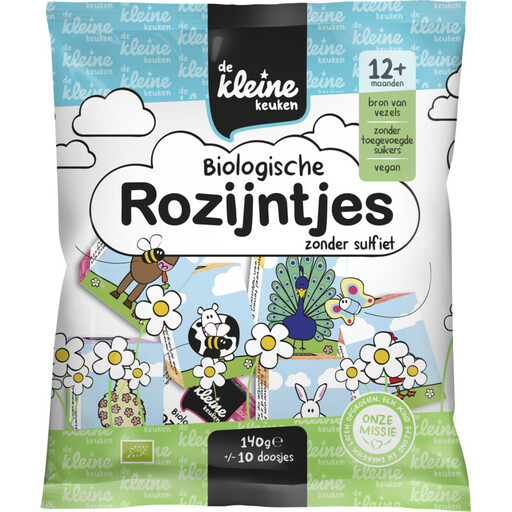
De Kleine Keuken Organic raisins 12M+ 140 g
For anyone who wants a set amount with their coffee: the pack contains 14 g snack boxes. The product information lists organic raisins with no added sugar or sulphites.
View at Joybuy
 No image available
Haoxiangni pitted red dates 500 g
An option if you want to enjoy pitted red dates as a snack. The ingredients list states 100% red dates, and the nutritional information lists 300 kcal per 100 g.
View at Joybuy
 No image available
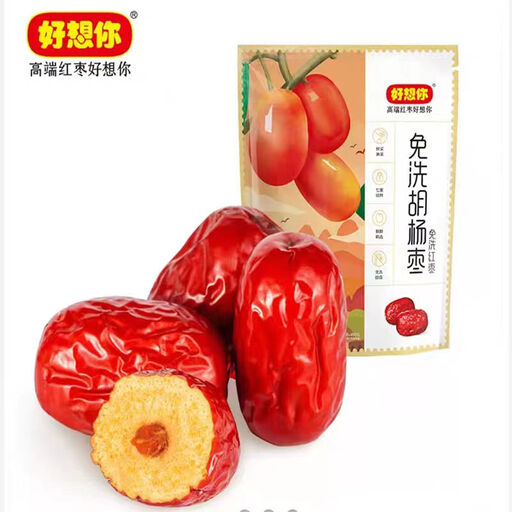
Haoxiangni unwashed red dates with stones, Grade 2, 450 g
This variety may suit you if you’re looking for red dates with stones and want to take the stones into account when eating them. The ingredients list states 100% jujube; the nutritional information lists 331 kcal per 100 g.
View at Joybuy
 No image available
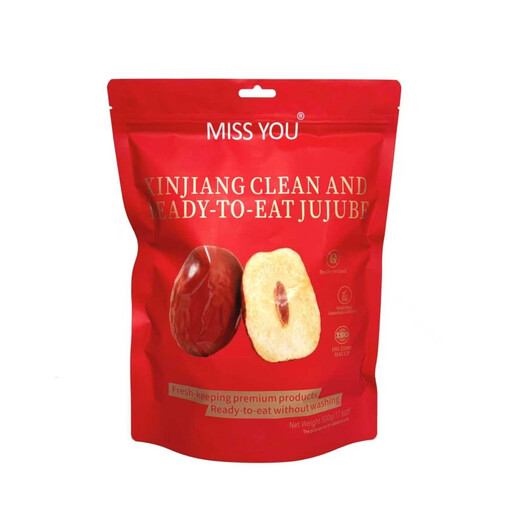
Haoxiangni Grade A unwashed red dates 500 g
For anyone looking for unwashed red dates to enjoy as a snack or use as an ingredient. The ingredients list states 100% jujube, and the nutritional information lists 304 kcal per 100 g.
View at Joybuy
 No image available
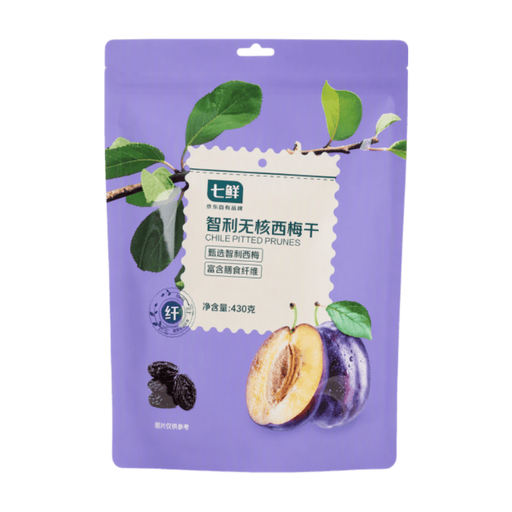
7FRESH pitted prunes 430 g
An option if you want to portion out pitted prunes for a coffee break. The product information lists 283 kcal per 100 g and says to consume the contents immediately after opening.
View at Joybuy
Frequently asked questions about dried fruit
Can a small serving of dried fruit be called ‘low in calories’?
Not simply because that serving provides few calories. In the Netherlands, the threshold for the ‘low energy’ nutrition claim and equivalent claims on solid foods is no more than 40 kcal (170 kJ) per 100 g, according to the European Commission and the NVWA. It’s better to state exactly how many kcal are in the portion you have weighed out.
Is 20 g a required serving of dried fruit?
No, 20 g is only used here as a reference serving to compare products on the same basis. For dried fruit with no added sugar, the Voedingscentrum recommends eating no more than a handful because of its sugar content. This reference serving is not personal dietary advice.
Does ‘no added sugar’ also mean low in total sugars or calories?
No, these statements answer different questions. AH Sun-dried Raisins lists 0 g of added sugar, but also 59 g of total sugars and 344 kcal per 100 g. So check both the ingredients list and the nutritional information.
What should I check if I need to avoid sulphites?
Check the ingredients and allergen information on the exact pack. The Jumbo apricot product examined lists E220 and sulphur dioxide/sulphites. Stichting Voedselallergie distinguishes between sulphite intolerance and an allergic reaction.
How should I store an opened pack of dried fruit?
Follow the instructions on the packaging of the exact product. PLUS prunes and Jumbo apricots say to store in a cool, dry, dark place; AH Banana Chips also say to seal the pack well after use and note a limited shelf life once opened. These instructions do not automatically apply to all dried fruit.


