What should you look for when choosing?
First compare the nutritional values per 100 g, then work them out for the same serving size, and finally check the ingredients, allergens and storage instructions on the packaging.
| What to consider |
What should you look for? |
Who is this most relevant to? |
| Calories per serving |
Compare kcal per 100 g and calculate the figures for the same serving weight for each product. |
If I want to plan how much to serve at a birthday, I first compare like-for-like portions; around 36% of consumers prioritise calories per serving. |
| Added sugar |
Read the ingredients list and also check the total sugars and energy per 100 g. |
If I want to avoid added sugar, I check the ingredients of the exact product; around 22% of consumers say this is their main consideration. |
| Ingredients and allergens |
Check the ingredients and allergen warnings, and keep the packaging available when serving. |
If guests need to avoid certain ingredients, I want to be able to check the product information; around 21% of consumers prioritise suitability for guests. |
| Quantity and storage |
Match the pack size to the servings you’re planning and follow the storage advice after opening. |
When planning my shopping, I want to work out the amount I need and how to store any leftovers; around 21% of consumers prioritise practical shopping. |
Joybuy products for this topic
This selection of Joybuy products includes dried prunes, a fruit mix and jujubes. Compare the nutritional values per 100 g where they are listed; using the same serving size does not automatically make products comparable if the nutritional information is not available for both.
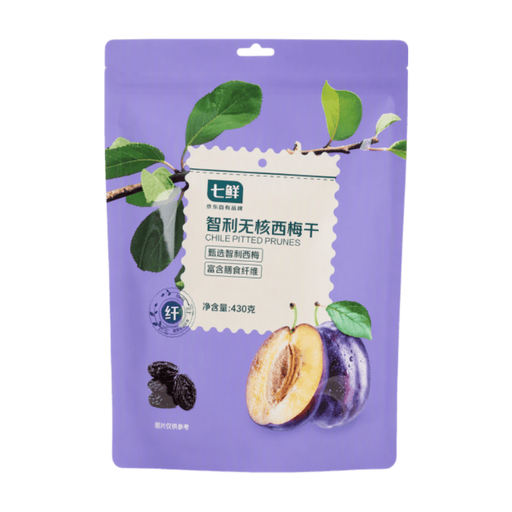 Image unavailable
7FRESH Pitted Prunes, 430 g
The pitted prunes are ready to eat, and the listed energy value is 283 kcal per 100 g.
The pack contains 430 g. The product description advises storing in a cool, dry place and consuming immediately after opening.
View at Joybuy
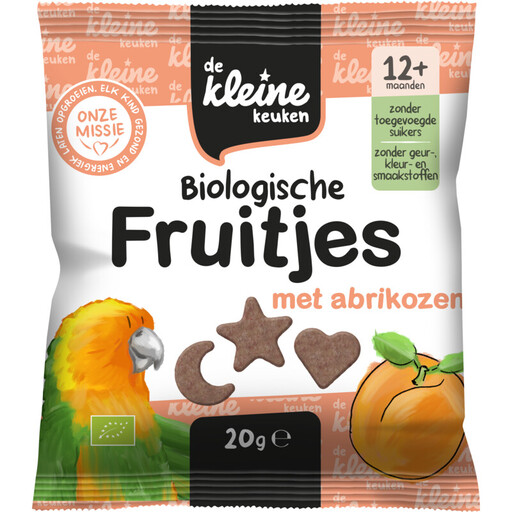 Image unavailable
De Kleine Keuken Organic Fruit Snacks with Apricot, 20 g
The 20 g pouch gives you a set pack size for planning portions; check the nutritional values if you’re comparing calories.
The product description lists a fruit mix containing 44% dried apricots, dates, banana and rice flour, with no added sugar.
View at Joybuy
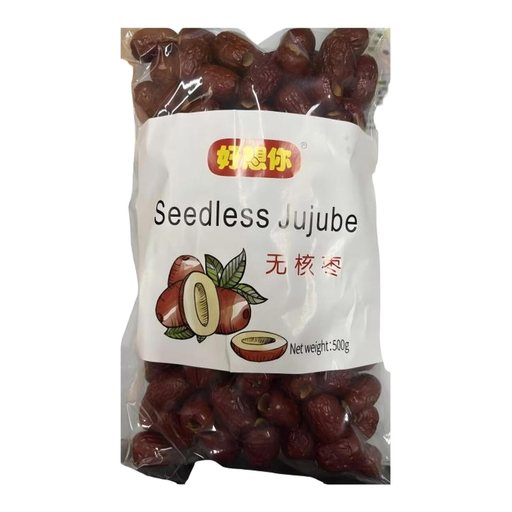 Image unavailable
Haoxiangni Pitted Red Jujubes, 500 g
These pitted jujubes are ready to eat; the product description lists 300 kcal per 100 g.
The pack contains 500 g. The storage advice is to keep in a cool, dry place and consume immediately after opening.
View at Joybuy
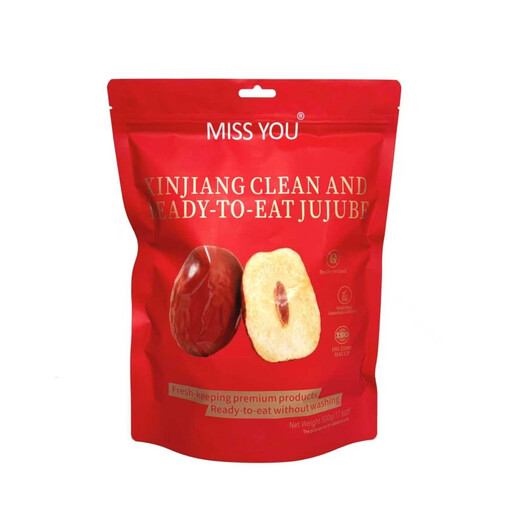 Image unavailable
Haoxiangni Grade A Wash-Free Jujubes, 500 g
The product description says the jujubes are ready to eat without washing and lists 304 kcal per 100 g.
The pack contains 500 g. The storage advice is to keep in a cool, dry, well-ventilated place and consume immediately after opening.
View at Joybuy
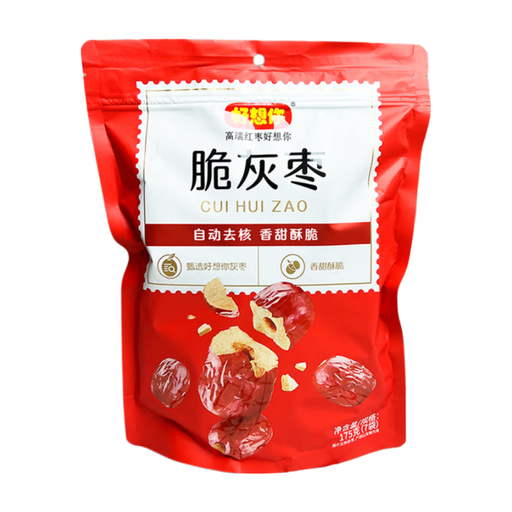 Image unavailable
Haoxiangni Crispy Gray Jujubes Original Flavour, 175 g (7 packs)
The individual packs are useful if you want to prepare portions in advance; the product description lists 320 kcal per 100 g.
The pack contains seven individual packs. The storage advice is to keep in a cool, dry place and consume immediately after opening.
View at Joybuy
Frequently asked questions
Can you call dried fruit low in calories?
Only if the product meets the conditions for that nutrition claim. For solid foods, the European Commission sets the limit for a ‘low-energy’ claim at 40 kcal per 100 g; a small serving does not change the nutritional value per 100 g.
What serving size can you use to compare products?
For example, calculate the figures for 20 g of each product. The Netherlands Nutrition Centre recommends a maximum of 20 g of dried fruit per day in its dietary advice; this is not a legal limit or personal recommendation for every party guest.
Does ‘no added sugar’ also mean ‘sugar-free’?
No. ‘No added sugars’ refers to sugars, or other foods used for their sweetening properties, that have been added to the product. Also check the total amount of sugars in the nutritional information.
Does dried fruit need to be refrigerated after opening?
Follow the advice on the packaging of the exact product. AH Soaked Dried Apricots says to refrigerate after opening at no more than 7 °C; PLUS Dried Apricots says to store in a cool, dry, dark place.
What should you check if guests need to avoid certain ingredients?
Read the ingredients and allergen warnings on each pack, and keep that information available when serving. The NVWA explains that allergens must be clearly listed on prepacked foods; a product name or vegan label is no substitute for checking.


