For your home-working lunch, choosing dried fruit is about weighing out your portion, not relying on words such as ‘natural’ or ‘unsweetened’. The Netherlands Nutrition Centre recommends eating no more than 20 grams of dried fruit a day. Also check the ingredients, allergens and storage advice on the exact packaging. Under European Commission rules, the legal claim ‘low calorie’ for solid foods means a maximum of 40 kcal (170 kJ) per 100 grams.
Who is this buying guide for?
Portion-conscious home workers
You want something sweet with lunch and to know in advance how much you’re eating. Weighing out a portion gives you a clear guide; a ‘low calorie’ claim means something different from the number of calories in your portion.
Ingredient-conscious snackers
You want to keep an eye on added sugar and, if relevant to you, allergens. No added sugar doesn’t mean a product contains no naturally occurring sugars.
Practical lunch planners
You’re looking for dried fruit that suits your storage space and how quickly you’ll use a pack. Once opened, check the storage advice for that specific product.
What should you look for when buying?
First, weigh the amount you’ll actually eat with lunch. Then check the ingredients, allergens and storage advice.
| What to consider |
What to look for |
Who might find this more important? |
| Calories per portion |
Check the kcal per 100 grams and weigh your portion. |
If you want to keep track of the calories in your lunch, look at the amount you serve yourself; around 39% of consumers put calorie control first. |
| Ingredients and sugar |
Read the ingredients and check ‘of which sugars’ separately from added sugar. |
If you want to avoid added sugar, check the total sugars on the label too; around 23% of consumers prioritise ingredients and added sugar. |
| Allergens |
Check the current ‘contains’ and ‘may contain’ information on the packaging. |
If a particular allergen is relevant to you, the information on the exact pack should help you make your choice; around 15% of consumers prioritise avoiding relevant allergens. |
| Stocking up and storage |
Compare the net weight with how quickly you’ll use it, and follow the storage advice once opened. |
For regular home-working lunches, you’ll want a pack that suits your storage space and how quickly you’ll finish it; around 23% of consumers prioritise stocking up and storage. |
Common pitfalls
-
Confusing a small portion with a low-calorie product
For solid foods, the European Commission sets a maximum of 40 kcal (170 kJ) per 100 grams for the claim ‘low calorie’. So a low-calorie portion doesn’t automatically make the product itself low calorie.
Weigh your portion and work out its calories using the nutritional information per 100 grams. Only use the claim if the product meets the requirements.
-
Reading ‘no added sugar’ as ‘sugar-free’
Sugars naturally found in fruit count towards the total sugars shown in the nutrition table. For the apricots reviewed, PLUS lists 0 grams of added sugars and 53.4 grams of sugars per 100 grams.
Read both the ingredients list and the ‘of which sugars’ line; one doesn’t replace the other.
-
Storing all dried fruit in the same way
The storage advice for the AH Soaked Dried Apricots reviewed is to keep them in the fridge once opened. This advice doesn’t automatically apply to other dried fruit.
Check the instructions for the exact product and choose a pack that suits how quickly you’ll use it.
-
Assuming similar packaging means it’s the same product
A different brand or preparation method may mean it’s a different product. Similar nutritional values don’t prove that two packs contain the same product.
Compare the brand, full product name, pack size and ingredients before treating products as identical.
Brands and product ranges to consider
Albert Heijn
The AH and AH Biologisch products reviewed include soaked apricots and dried prunes, suitable for a small addition to lunch.
- The official product information lists the ingredients, nutritional values and storage advice.
- The soaked apricots contain sulphites. The organic prunes reviewed carry a warning that they may contain peanuts and nuts.
Jumbo
The own-brand pitted apricots reviewed are available in a 250-gram pack.
- The product information gives nutritional values per 100 grams and per 20-gram portion.
- The product contains sulphites and may contain nuts, peanuts and sesame.
Lidl
Alesto is Lidl’s relevant dried fruit range, which includes mango strips.
- The Dutch brand page confirms that the range includes dried fruit.
- A product range or flavour description doesn’t tell you how many calories a product contains; check the nutritional information for the specific product.
ALDI
The Dutch product page lists Trader Joe’s Sun-Dried Apricots in a 250-gram pack.
- The product page describes the apricots as soft.
- That description doesn’t mean the product is low calorie; check the nutritional information on the pack.
PLUS
The dried apricots from PLUS reviewed come in a 375-gram stand-up pouch.
- The product information lists the ingredients and nutritional values, including 0 grams of added sugars.
- The product contains sulphites. PLUS notes that local and final delivery prices may differ.
Dirk
The Dutch product page lists pitted apricots in its dried fruit and nuts range.
- The product page confirms the category and that the product can be bought in store.
- Dirk doesn’t offer a delivery service, so bear that in mind if you have your shopping delivered.
Dried fruit at Joybuy
These Joybuy products are dried plums and jujubes. Compare the nutritional values per 100 grams and tailor your weighed portion to your lunch.
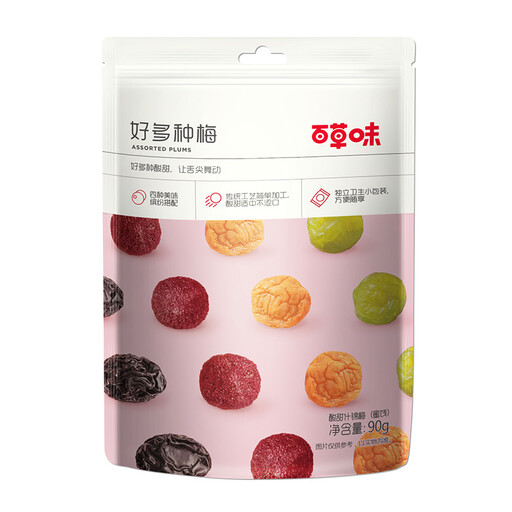 Image unavailable
Be&Cheery Various Dried Plum, 90 g
The nutritional value per 100 grams shown can help you work out the calories in a weighed portion.
The product information lists 68 kcal and 3.0 g of salt per 100 grams. The ingredients are plums, sugar, salt and sweeteners.
View at Joybuy
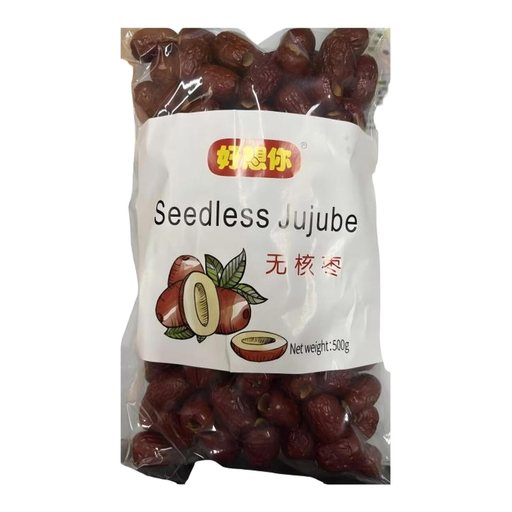 Image unavailable
Haoxiangni Pitted Jujubes, 500 g
An option for measured portions; use the nutritional value per 100 grams to work out your serving.
The product information lists 300 kcal per 100 grams and 100% red dates. The jujubes are pitted and, according to the product description, ready to eat.
View at Joybuy
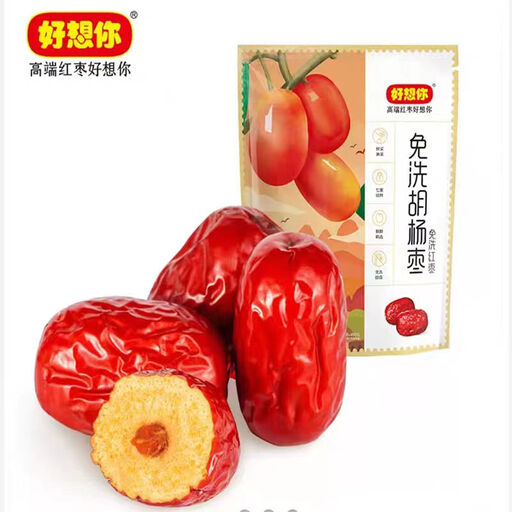 Image unavailable
Haoxiangni No-Wash Red Jujube with Pit (Grade 2), 450 g
The nutritional value per 100 grams can help you calculate the calories in a smaller, weighed portion.
The product information lists 331 kcal per 100 grams. This variety contains stones.
View at Joybuy
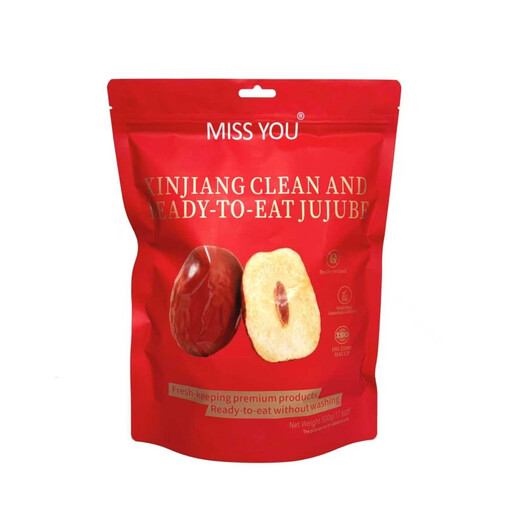 Image unavailable
Haoxiangni Grade A Wash-Free Jujubes, 500 g
Check how much you’re eating and use the product information per 100 grams to work out your portion.
The nutritional information lists 304 kcal per 100 grams. The product description says the jujubes don’t need to be washed.
View at Joybuy
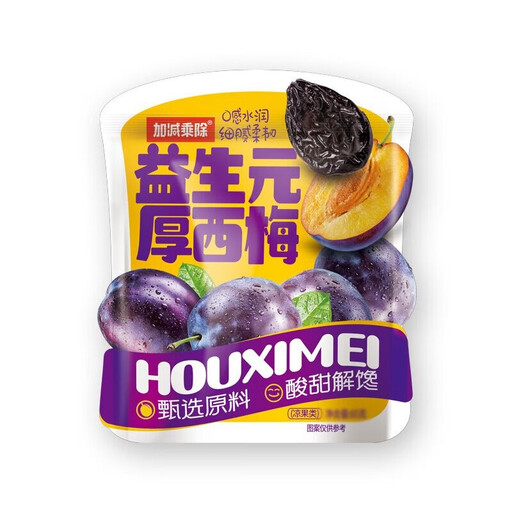 Image unavailable
Jia Jian Cheng Chu Prebiotic Thickened Prunes, 65 g
The individual pack contains more than the Netherlands Nutrition Centre’s recommendation of no more than 20 grams of dried fruit a day, so you can weigh out a smaller amount.
The nutritional information lists 214 kcal per 100 grams. The product information lists prunes, fructose syrup and oligofructose.
View at Joybuy
Frequently asked questions
When can a product be called low calorie in the Netherlands?
For solid foods, the ‘low calorie’ claim, or a claim with the same meaning, is limited to a maximum of 40 kcal (170 kJ) per 100 grams. The European Commission explains this requirement; a small portion doesn’t prove that the product meets the limit.
How can I avoid unknowingly eating the whole pack?
Weigh out the amount you want and work out the calories using the nutritional values per 100 grams on the pack. The Netherlands Nutrition Centre recommends no more than 20 grams of dried fruit a day; this is dietary advice, not a legal limit on what you can buy.
Does dried fruit need to be kept in the fridge once opened?
It depends on the product. Once opened, AH Soaked Dried Apricots should be kept chilled at a maximum of 7 °C; the pack also says the product has a limited shelf life. Follow the specific storage advice for other products.
Where can I check allergens in dried fruit?
Check the current packaging of the product you want to buy. The Netherlands Food and Consumer Product Safety Authority (NVWA) states that prepacked products must show allergen information on the label; look out for warnings such as ‘may contain’ too. The products reviewed may list sulphites, and the Jumbo apricots may contain nuts, peanuts and sesame.
Does ‘no added sugar’ mean there’s no sugar in the product?
No. ‘No added sugar’ doesn’t rule out naturally occurring sugars. Check both the ingredients and the total sugars in the nutrition table; the PLUS apricots reviewed list 0 grams of added sugars and 53.4 grams of sugars per 100 grams.


