
If you’re watching your fat intake
You’re looking for dried fruit for New Year’s Eve and want to take its fat content into account. Compare the nutrition information on the specific pack, and don’t treat ‘low fat’ and ‘reduced fat’ as synonyms.


For a dried fruit platter, compare the nutrition information on the exact pack you’re buying: the apricots reviewed from Albert Heijn, Jumbo and PLUS list 0.5–0.6 g of fat per 100 g. A low fat content is not the same as a comparative claim such as ‘reduced fat’. Also check sugar, energy, portion size and allergens separately.
You’re looking for dried fruit for New Year’s Eve and want to take its fat content into account. Compare the nutrition information on the specific pack, and don’t treat ‘low fat’ and ‘reduced fat’ as synonyms.
You also want to consider sugar and energy when snacking. The Netherlands Nutrition Centre recommends a maximum of 20 g of dried fruit a day. Treat this as dietary advice, not a legal product requirement.
You’re paying attention to ingredients, allergens and what to do with any leftovers. The apricots reviewed list sulphites; the Jumbo version also warns that it may contain traces of nuts, peanuts and sesame.
First check the nutrition information per 100 g, then decide how much you want to serve. For a shared snack table, it’s also important to check the allergen information and storage instructions on the pack.
| What to consider | What to look for | Who is this important to? |
|---|---|---|
| Fat content and claims | Compare fat per 100 g; if there’s a comparative claim, check the reference product too. | I mainly want to know how much fat my chosen option contains on New Year’s Eve, without relying solely on the term ‘reduced fat’. Around 39% of consumers put fat content first. |
| Portion, sugar and energy | Check sugar and energy per 100 g, then take those figures into account when deciding how much to serve. | I want to set out a measured amount for myself or my guests, while also considering sugar and energy. Around 31% of consumers make portion size and energy their top priority. |
| Ingredients and allergens | Read the ingredients list and allergen information on the pack you’re buying. | I’m serving fruit to guests and want to take allergies or other dietary requirements into account. Around 15% of consumers look at this first. |
| Packaging and storage | Compare the net weight and follow the storage instructions for the specific product. | I’m buying for a group and want to choose an amount that suits how it’ll be used, and store any leftovers properly. Around 15% of consumers start by checking the packaging and storage instructions. |
The apricots reviewed are low in fat, but their nutrition information also lists sugar and energy. A low fat figure on its own tells you nothing about those other values.
Weigh or measure the amount you serve, and check sugar and energy separately from fat. The Netherlands Nutrition Centre recommends a maximum of 20 g of dried fruit a day. This is dietary advice, not a legal product requirement.
The apricots reviewed list sulphites. The Jumbo version also says that it may contain traces of nuts, peanuts and sesame.
Check the ingredients and allergen information on the pack you’re actually serving, and make that information available to your guests.
Albert Heijn lists a 50 g serving size for the soaked apricots reviewed. The Netherlands Nutrition Centre recommends a maximum of 20 g of dried fruit a day. These are different types of information.
Use the serving size on the pack to understand the corresponding nutrition information, but don’t automatically treat it as dietary advice.
The AH soaked dried apricots reviewed are a soaked variety, suitable for snacking or using in recipes.
The dried pitted apricots reviewed are an unsoaked option, with nutrition information per 100 g and per 20 g serving.
Alesto is Lidl’s range of products, including dried fruit and nuts. Lidl mentions apricots and serving them as a snack.
Aldi’s store information lists Trader Joe’s raisins in a 500 g pack.
The PLUS dried apricots reviewed come in a 375 g stand-up pouch.
Dirk lists pitted apricots in a 200 g pack as a product available to buy in store.
These Joybuy products are different types of dried fruit. Compare the declared nutrition values and ingredients for each product; a low fat figure alone doesn’t prove a comparative claim such as ‘reduced fat’.
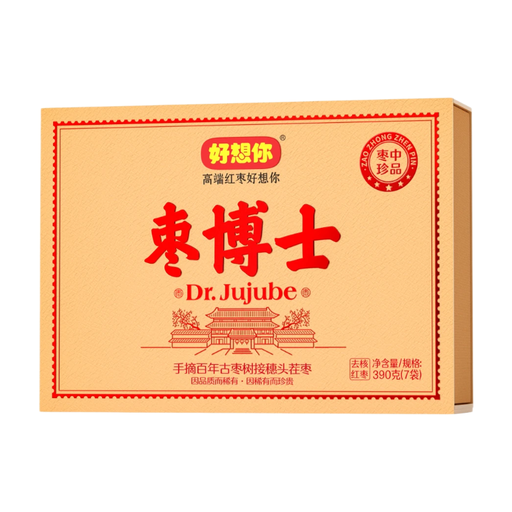 Image unavailable
According to the product information, these pitted red dates are ready to eat or use in recipes.
Per 100 g: 0 g of fat, 50 g of sugars and 327 kcal.
After opening, reseal carefully and store in a cool, dry place.
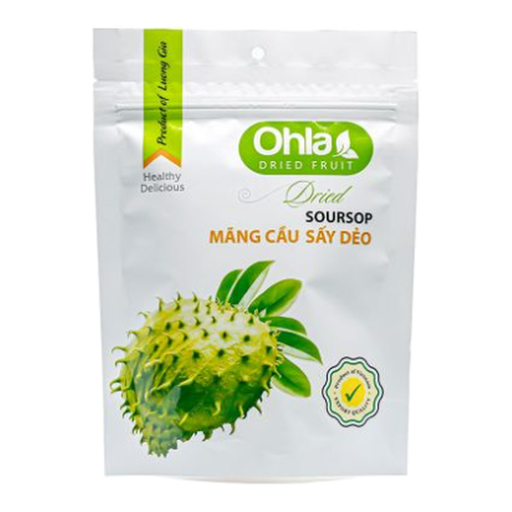 Image unavailable
This dried soursop is an option to compare if you’re taking the declared fat content per 100 g into account.
Per 100 g: 2.21 g of fat, 72.6 g of sugars and 348 kcal.
The ingredients list soursop, sugar, glucose and sodium metabisulphite.
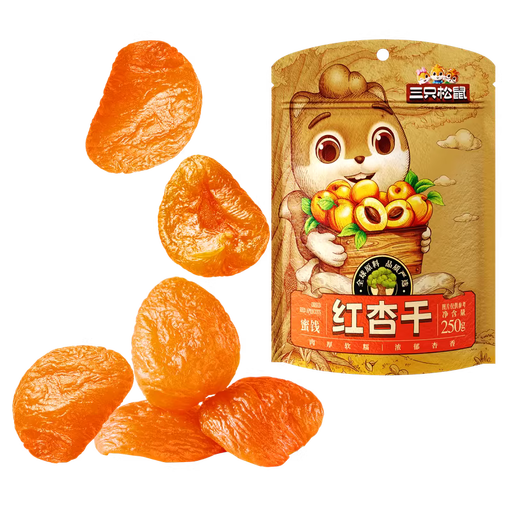 Image unavailable
The product information describes these apricots as ready to eat or share.
Per 100 g: 0 g of fat, 62 g of sugars and 311 kcal.
The ingredients list sugar, maltose syrup and sulphites.
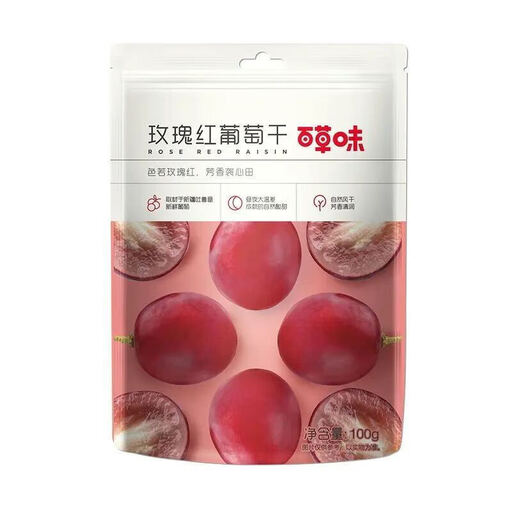 Image unavailable
The 100 g pack is a handy option if you want to measure out the amount yourself.
Per 100 g: 0 g of fat, 30 g of sugars and 330 kcal.
The product information lists red raisins as an ingredient and recommends storing them in a cool, dry place away from direct sunlight.
 Image unavailable
The pack contains ten individual 14 g boxes, so you can set out the portions separately.
The product description recommends storing in a cool, dry and dark place.
According to the product description, suitable from 12 months. Supervise children while they eat; not suitable for children with swallowing difficulties.
No. For solid foods, the European Commission defines the ‘low fat’ claim as a maximum of 3 g of fat per 100 g. A reduced-content claim requires a comparison with a similar product; guidance from the Dutch Bakery Centre specifies at least 30% less of the nutrient in question. A low fat figure alone doesn’t prove that comparison.
No. For the PLUS apricots reviewed, PLUS lists 0 g of added sugars, but 53.4 g of total sugars per 100 g. So check both the ingredients list and the ‘of which sugars’ line in the nutrition information.
Check the ingredients and allergen information on the pack you’re serving. The Netherlands Food and Consumer Product Safety Authority says that allergen information for pre-packed products must appear on the label. The apricots reviewed list sulphites; Jumbo also warns that they may contain traces of nuts, peanuts and sesame.
No. Albert Heijn sells a variety that has already been soaked and describes it as a snack. Follow the instructions for the pack you choose; don’t assume that every type of dried fruit needs the same preparation.
Store dried apricots in a cool, dry, dark place in a tightly sealed container. For ordinary dried apricots, the Netherlands Nutrition Centre recommends storing them in a kitchen cupboard for 6–9 months after opening. Don’t automatically apply this period to soaked varieties; follow the storage instructions on the pack.