When comparing dried fruit, check the fat content on the exact pack and look at the sugar and energy content of the portion you actually eat. A low fat content is not the same as a reduced-fat claim compared with a similar product. Also check the packaging, storage instructions and allergen information.
Who is this advice for?
Snackers keeping an eye on fat and portions
You’re looking for a sweet snack that’s low in fat, but you also want to assess the sugar and energy content of your portion. Product information from Albert Heijn, Jumbo and PLUS shows why it’s important to compare the exact product and its nutritional values.
People topping up their snack cupboard
You’re choosing a pack for home or on the go, and thinking about portioning and storage once it’s opened. Packaging and storage instructions vary, for example, between the Jumbo, PLUS and Albert Heijn products reviewed.
Shoppers with allergen requirements
Your choice may depend on sulphites or warnings about the possible presence of other allergens. The Netherlands Food and Consumer Product Safety Authority (NVWA) explains allergen labelling; always check the information on the exact pack.
What should you look for in dried fruit?
Start by checking the fat content per 100 g and the difference between a low-fat content and a comparative claim. Then consider your portion, the packaging and any allergen requirements.
| What to consider |
What to look for |
Who is this important for? |
| Fat content and claims |
Compare the fat per 100 g on the exact pack. The European Commission sets a maximum of 3 g of fat per 100 g for a ‘low fat’ claim on solid foods; this doesn’t prove that the fat content is lower than in a similar product. |
If I’m watching my fat intake, I want to know the value per 100 g and not assume it’s reduced based on a single figure. Around 31% of consumers say fat content is their top purchasing priority. |
| Sugar and energy per portion |
Compare sugar and energy per 100 g, and bear in mind how much you eat. No added sugar doesn’t mean there are no fruit sugars. |
When choosing a snack, I also want to know how much sugar and energy my portion contains, not just how much fat it has. Around 25% of consumers prioritise portion size, sugar and energy. |
| Packaging and storage |
Choose a quantity that suits how much you use and check the storage instructions for after opening. AH soaked apricots should be refrigerated after opening at a maximum of 7°C. |
If I’m buying a small top-up or want to take something with me, the pack needs to be practical and I need to be able to store the product as directed on the label. Around 19% of consumers prioritise convenience when topping up and storing products. |
| Total quantity |
Compare the net weight and consider whether you’ll use the pack in time; 250 g and 375 g packs may call for different portioning. |
For a small top-up, I don’t want to choose a quantity that’s larger than I need. Around 13% of consumers focus mainly on the total quantity they’re buying. |
| Allergens |
Read the ingredients and allergen information on the exact pack. The AH, Jumbo and PLUS apricots reviewed all list sulphites. |
If I have a relevant allergy or intolerance, the product needs to meet that requirement before I consider its other qualities. Around 12% of consumers make allergen suitability their deciding priority. |
Common purchasing mistakes
-
Assuming low fat means low sugar or energy
PLUS’s product information lists 0.5 g of fat, 53.4 g of sugars and 254 kcal per 100 g for the apricots reviewed. A low fat content on its own doesn’t tell you how much sugar or energy a portion contains.
Compare fat, sugar and energy per 100 g, then consider the amount you actually eat.
-
Assuming all fruit snacks are low in fat
The Netherlands Nutrition Centre gives a general nutritional value of 5.9 g of fat per 20 g portion of banana chips. This won’t automatically apply to every variety, but it shows that the type of product matters.
Check the nutritional information on the exact pack rather than relying on the word ‘fruit’.
-
Mistaking the label’s portion size for dietary advice
Albert Heijn lists a 50 g portion for the soaked apricots reviewed. The Netherlands Nutrition Centre recommends a maximum of 20 g of dried fruit per day; this is dietary advice, not a legal purchasing limit.
Use the portion size on the label to help with your calculations, and keep it separate from the general advice from the Netherlands Nutrition Centre.
Brands to consider
Albert Heijn
The 250 g pack of soaked apricots reviewed is intended for snacking and as a breakfast topping.
- The product information lists nutritional values, ingredients and storage instructions for after opening.
- This variety contains sulphites; these characteristics don’t automatically apply to the entire range.
Jumbo
The own-brand products reviewed include dried apricots, prunes and raisins in small boxes.
- The product information provides details you can use to compare factors such as fat content, packaging and ingredients.
- Sugar levels and allergen warnings vary by product, so check the exact pack.
Lidl
Alesto is Lidl’s range of products including nuts and dried fruit, with options for use as toppings.
- The range description lists dried fruit as one of its uses.
- A range description alone doesn’t substantiate a low-fat or reduced-fat claim for a specific variety.
ALDI
ALDI lists Trader Joe’s sun-dried apricots in a 250 g pack.
- The retailer describes the apricots as soft.
- This description isn’t an independent test and doesn’t substantiate a claim about fat content.
PLUS
The dried apricots reviewed are sold in a 375 g stand-up pouch.
- The product information lists nutritional values and sulphites.
- A multipack isn’t a pre-portioned snack; decide for yourself how much to have.
Dirk
Dirk lists a 375 g pack of dried apricots for snacking, breakfast and baking, among other uses.
- The product information confirms the product range and pack size.
- A product description isn’t an independent comparison of quality or nutritional value.
Dried fruit at Joybuy
These Joybuy products include dried soursop, prunes, apricots, strawberries and raisins for snacking or taking with you. Compare the fat, sugars and portion size for each pack.
 No image available
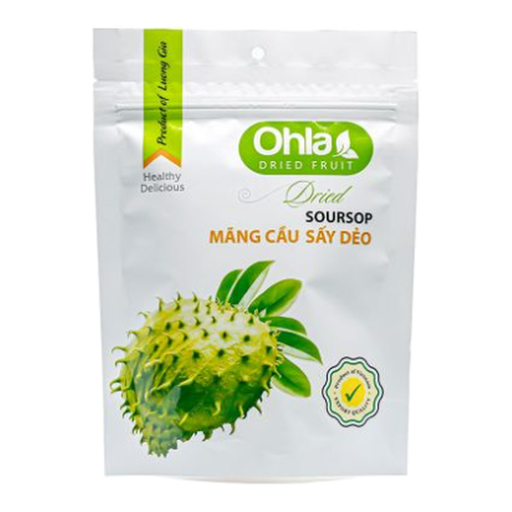
OHLA dried soursop, 180 g
A good option if you’re looking for dried fruit as a snack and want a 180 g pack.
According to the product information on Joybuy, this product contains 2.21 g of fat, 72.6 g of sugars and 348 kcal per 100 g.
The ingredients include white sugar and glucose; seal the pack well after opening and store in a cool, dry place.
View at Joybuy
 No image available
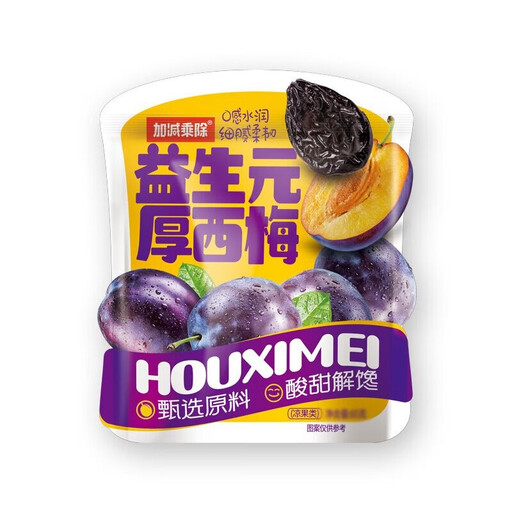
Jia Jian Cheng Chu Prebiotic Thickened Prunes, 65 g
According to the product information, the 65 g pack is intended as a portion to take with you.
According to the product information on Joybuy, this variety contains 0 g of fat, 41.3 g of sugars and 214 kcal per 100 g.
The ingredients include fructose syrup.
View at Joybuy
 No image available
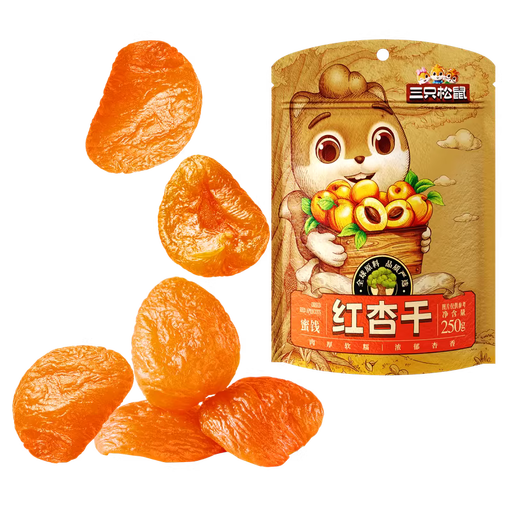
Three Squirrels dried red apricots, 250 g
According to the product information, the 250 g pack is resealable and suitable as a snack or for stocking up.
According to the product information on Joybuy, this variety contains 0 g of fat, 62.0 g of sugars and 311 kcal per 100 g.
The ingredients include added sugar and malt syrup; the product information also lists sulphites.
View at Joybuy
 No image available
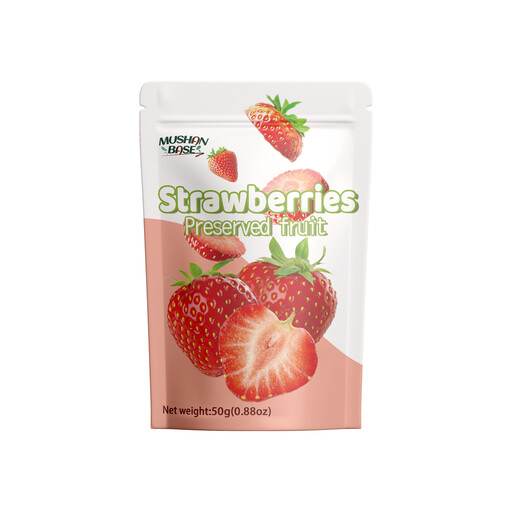
MUSHAN BASE dried strawberry slices, 50 g
This 50 g pack is a good choice if you want to use dried strawberries as a snack or topping.
According to the product information on Joybuy, this variety contains 2.6 g of fat, 57.4 g of sugars and 313 kcal per 100 g.
According to the product information, the product is ready to eat and the pack can be resealed after opening.
View at Joybuy
 No image available
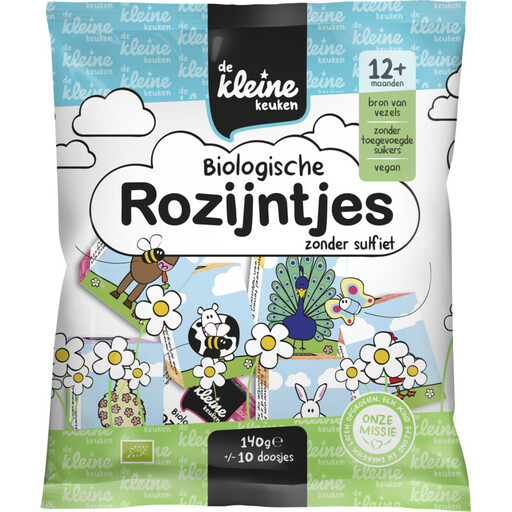
De Kleine Keuken Organic raisins 12M+, 140 g
According to the product information, the pack contains ten 14 g boxes for pre-portioned servings.
The product information states that this product is suitable only for children over 12 months, that children should be supervised while eating and that it isn’t suitable for those with swallowing difficulties.
View at Joybuy
Frequently asked questions
When can solid dried fruit be called ‘low fat’?
For solid foods, the European Commission sets a maximum of 3 g of fat per 100 g as a requirement for a ‘low fat’ claim. Check the nutritional information for the exact variety; meeting this absolute threshold doesn’t prove that its fat content has been reduced compared with a similar product.
How much dried fruit is suitable for a daily snack?
The Netherlands Nutrition Centre recommends a maximum of 20 g of dried fruit per day. This is dietary advice, not a legal limit; the portion size shown on a pack may be different.
Should dried fruit be refrigerated after opening?
Follow the instructions for the exact variety. Albert Heijn says that the soaked apricots reviewed should be refrigerated after opening at a maximum of 7°C; Jumbo and PLUS say that the dried apricots reviewed should be stored in a cool, dry and dark place.
What allergen information should I check before buying?
Check the ingredients and allergen information on the exact pack. The NVWA states that allergen information on prepacked foods is a legal labelling requirement; the AH, Jumbo and PLUS apricots reviewed all list sulphites.


