
Fat-conscious snack chooser
You compare the fat content on the label and want to distinguish an absolute figure from a claim about reduced fat.


Choose dried fruit by its fat content per 100 g, the energy in the portion you plan to eat and the storage instructions on that specific pack. A low absolute fat content does not prove that a product contains less fat than a reference product. So also check the energy, sugars and ingredients, and consider how much you can use after opening.
You compare the fat content on the label and want to distinguish an absolute figure from a claim about reduced fat.
You want to plan a suitable amount, so you look at energy and sugars as well as fat, and consider the portion you actually eat.
You buy several portions at once and want the packaging, storage instructions after opening and ingredient information to suit everyone who’ll be using your stash.
Compare the nutritional information for the exact variant, and plan how you’ll store and use the pack after opening. A low-fat statement does not, on its own, mean a product contains less fat than a reference product.
| What to consider | What to check when buying | Most important for |
|---|---|---|
| Fat content and claims | Check total fat per 100 g and assess any claim separately from that absolute figure. | If you’re mainly looking for a low-fat option, use the label for the exact variant as your starting point. Around 33% of consumers prioritise absolute fat content and clear claims about it. |
| Energy and portion size | Compare energy and sugars per 100 g with the amount you plan to eat. | If you want to fit a snack portion into your day, look beyond the fat figure. Around 27% of consumers prioritise portion size and energy intake. |
| Packaging and storage | Check the net weight and the instructions for storing the product before and after opening. | If you’re stocking up, you’ll want to store and use the contents before they’re no longer suitable to eat. Around 20% of consumers place the greatest importance on being able to use their stock and store it appropriately. |
| Ingredients and allergens | Read the ingredients and allergen information on the specific pack; note the difference between ‘contains’ and ‘may contain’. | If you’re sharing your stash, check that the ingredients are suitable for the people who’ll be using it. Around 20% of consumers prioritise suitability. |
For solid foods, the European Commission sets a maximum of 3 g of fat per 100 g as a condition for using the ‘low fat’ claim. This threshold relates to that claim; it does not show that a product contains less fat than a comparable product.
Fat is just one part of the nutritional information. Dried fruit also contains energy and sugars.
Compare fat and energy per 100 g, and take into account the portion you actually eat. Voedingscentrum recommends a maximum of 20 g of dried fruit a day; this is dietary advice to help you plan portions.
A statement of 0 g added sugars does not mean the product contains no sugars.
Check both the ingredients and the nutritional information under ‘of which sugars’.
Packaging and storage instructions vary by variant; instructions for one product do not automatically apply to another.
Choose an amount that matches how much you expect to use, and follow the instructions for the exact pack.
If you can’t store the opened contents appropriately or use them in time, some may go unused.
The apricot labels reviewed state that the products contain sulphites. The Jumbo variant also states that it may contain nuts, peanuts and sesame.
Check the allergen information on the exact pack, and keep it with the right product if you’re sharing your stash.
The variant reviewed is AH Soaked Dried Apricots, 250 g.
The products reviewed are Soaked Apricots, 250 g, and Sun-Dried Sultana Raisins, 500 g.
Alesto is Lidl’s nuts and dried fruit range. A shop product of dried tropical fruit, available in several 200 g variants, was also reviewed.
The products reviewed are TRADER JOE'S Sun-Dried Apricots, 250 g, and Raisins, 500 g.
The variant reviewed is PLUS Dried Apricots in a stand-up pouch, 375 g.
The variant reviewed is 1 de Beste Apricots, 375 g; 1 de Beste is Dirk’s own brand.
These product picks are suited to a stash of dried fruit for snacking or adding to dishes. Compare the nutritional values and ingredients for each product, as types and pack sizes vary.
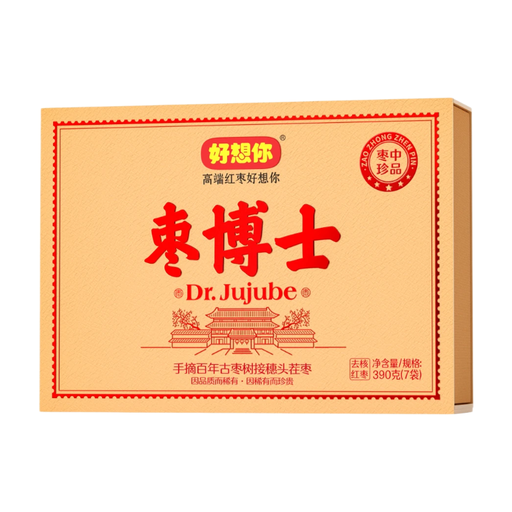 No image available
According to the product description, these pitted jujubes are ready to eat and can also be used in dishes.
Per 100 g: 0 g fat, 327 kcal and 50.0 g sugars. Store in a cool, dry place and seal the pack tightly after opening.
 No image available
The product description says the dried guava is suitable as a snack or ingredient.
Per 100 g: 1.73 g fat and 308 kcal. The listed ingredients include guava, sugar and a preservative.
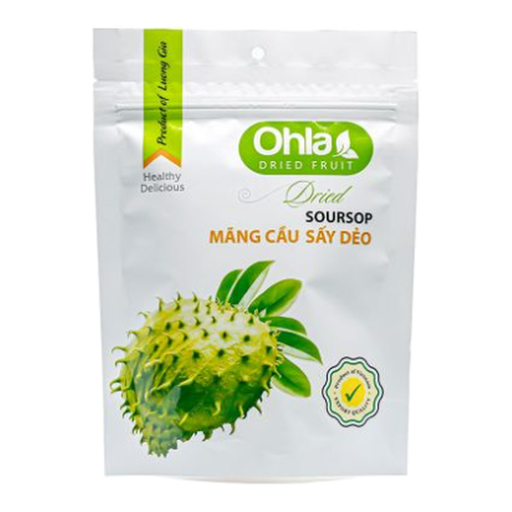 No image available
According to the product description, this dried soursop is intended as a snack or ingredient.
Per 100 g: 2.21 g fat, 348 kcal and 72.6 g sugars. The listed ingredients include white sugar and glucose.
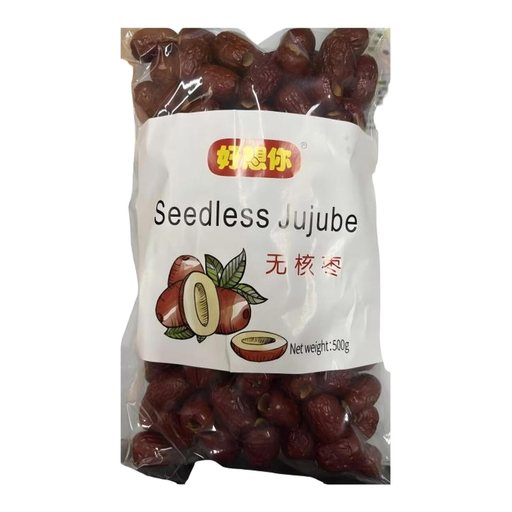 No image available
The product description says these pitted jujubes are ready to eat and suitable for cooking, baking, soup and tea.
Per 100 g: 0.5 g fat, 300 kcal and 60 g sugars. The pack contains 500 g.
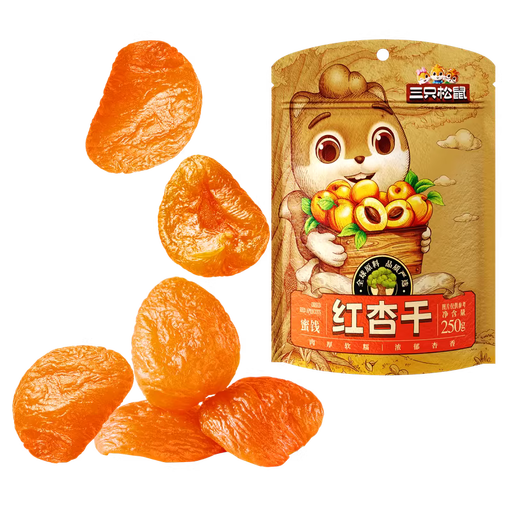 No image available
According to the product description, the dried apricots are ready to eat.
Per 100 g: 0 g fat, 311 kcal and 62 g sugars. The ingredients include sugar and maltose syrup; the product states that it contains sulphites. The description recommends consuming the contents immediately after opening.
No. An absolute fat content describes a product’s composition, not a reduction compared with a reference product. For solid foods, the European Commission sets a maximum of 3 g of fat per 100 g as a condition for using the ‘low fat’ claim; that is not the same as evidence for a comparative claim.
Voedingscentrum recommends a maximum of 20 g of dried fruit a day. Use this as dietary advice when planning your portions; the number of portions on a pack is not personalised dietary advice.
Follow the instructions for the exact variant. Once opened, AH Soaked Dried Apricots must be refrigerated at a maximum of 7 °C and have a limited shelf life. For the Jumbo Sun-Dried Sultana Raisins reviewed, Jumbo says to store them in a cool, dry, dark place.
Check the ingredients and allergen information on every pack. The AH, Jumbo and PLUS apricots reviewed state that they contain sulphites; the Jumbo apricots also state that they may contain nuts, peanuts and sesame.
Make sure customers are told about any allergens before they buy. The NVWA explains the labelling requirements for prepacked products and the duty to provide information when selling unpackaged products. Business.gov.nl states that labelling information must be in Dutch. This is relevant when selling to customers, not automatically for a personal stash.