
Vandaag of morgen in huis

Kwaliteit gegarandeerd

Welkomstaanbiedingen ontgrendelen: GRATIS bezorging | Tot 80% korting | Gratis 30 dagen JoyPlus-proefperiode
Download de app
Looking to buy dried fruit for the commute, the office, or breakfast? You will find an extensive range online, from dried mango and strawberries to dried dragon fruit, soursop, and Chinese snacks with a sweet-and-sour flavour. The differences go beyond the type of fruit. Sugar content, texture, packaging, and added ingredients all determine whether a product suits your needs.
Attractive packaging reveals little about a product’s actual composition. Always check the label before ordering. This helps you avoid buying a small pouch made up largely of sugar or choosing a snack containing preservatives that do not align with your preferences.
Some products are largely fruit-based but also contain sugar, glucose syrup, malt syrup, or acidity regulators. This is particularly common with soft, candied fruit snacks. As a result, a product may be sweeter and softer than traditionally dried fruit.
Check the ingredients list and the quantitative ingredient declaration. If fruit accounts for 75% or more of the product, for example, you get a clearer picture of the composition. MUSHAN BASE Dried Mango lists mango at a minimum of 79.5%; the product also contains sugar, glucose syrup, and malt syrup.
A 180- or 390-gram bag may seem appealing, but dried fruit has a concentrated flavour and is often eaten in small portions. For a snack at work or in a school bag, individually wrapped portions may be more convenient than one large bag.
Also pay attention to the net quantity, not just the size of the packaging. Portion sizes can vary significantly between brands.
Sulphites, such as E223, may be used to prevent discolouration or help extend shelf life. If you prefer to avoid sulphites, read the packaging carefully. The product information for several varieties in this selection explicitly states that they contain sulphites, including MUSHAN BASE Dried Mango and Candied Pineapple.
Store dried fruit according to the instructions—usually in a cool, dry place away from direct sunlight. Once opened, reseal the packaging securely to limit moisture exposure and preserve quality.
A higher fruit percentage may indicate a fruitier product, but it is not the only factor that affects flavour. Check whether sugar or syrup has been added as well. A sweet fruit snack may be ideal as a treat, while a less sweet variety may be preferable with yoghurt or muesli.
Examples from the product information:
Always compare nutritional values per 100 grams. This makes small pouches and larger packs easier to assess side by side. Pay particular attention to carbohydrates and sugars when comparing different types of dried fruit.
The products listed vary considerably. According to the product information, MUSHAN BASE Dried Strawberry Slices contain 57.4 grams of sugar per 100 grams. Bestore Candied Hawthorn lists 65 grams of sugar per 100 grams. That is consistent with candied fruit snacks, but it also means these products are not equivalent to unsweetened dried fruit.
For a snack on the go, choose a small pack that is easy to reseal or individually portioned. A larger bag may be more practical for breakfast, desserts, or tea. Soft mango and pineapple are pleasantly chewy, while strawberry and dragon fruit slices offer a different texture and work well as toppings.
Also check the best-before date, storage instructions, and any warnings on the packaging. For many products, the current date is printed directly on the pack.
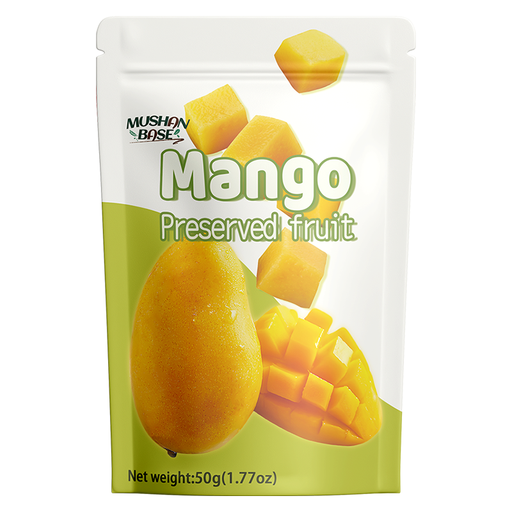
Why it’s a good fit: A compact portion for anyone trying Asian dried fruit for the first time or looking for a snack to keep in a bag, desk drawer, or lunchbox.
The net quantity is clearly stated: 50 grams. The ingredients list at least 79.5% mango, along with sugar and syrups. Sulphites are also listed in the warnings.
Soft and pleasantly chewy, ready to eat straight away and easy to take with you.
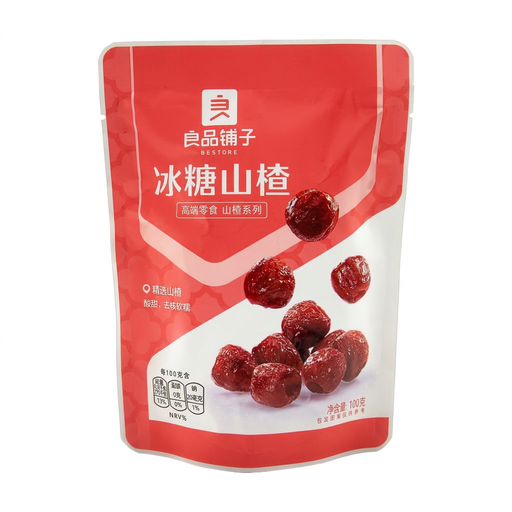
Why it’s a good fit: For anyone seeking Chinese snacks with a distinctive sweet-and-sour flavour instead of the more familiar dried mango or pineapple.
The composition is clearly specified: 67.73% hawthorn, 18.73% rock sugar, and white sugar. The sweetness is therefore intrinsic to this product type.
A 100-gram pack, ready to eat and, according to the product description, also suitable for fruit tea.
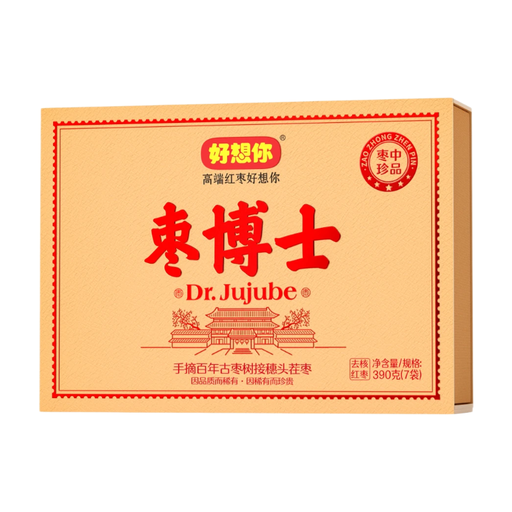
Why it’s a good fit: The generous pack size is ideal for anyone who regularly eats red dates, shares them, or uses them in tea, desserts, and savoury dishes.
The net quantity of 390 grams is clearly stated. According to the product information, the dates are pitted, making preparation more convenient.
Ready to eat, soft in texture, and according to the label suitable for tea, soups, and desserts.
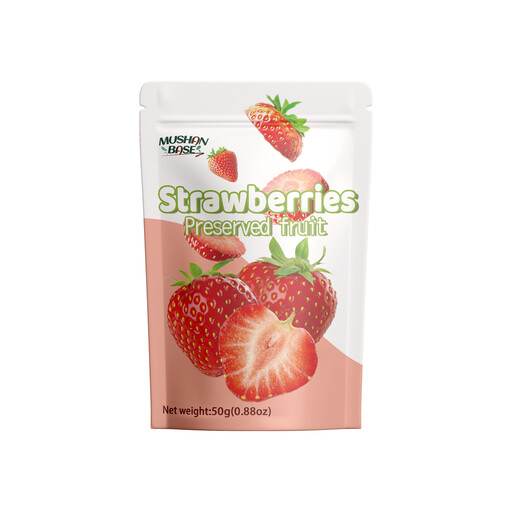
Why it’s a good fit: A compact pack for yoghurt, desserts, porridge, or a colourful fruit snack with coffee or tea.
The ingredients list is concise: dried strawberries and sugar. The nutritional information states 57.4 grams of sugar per 100 grams, allowing you to factor in the sweetness.
The slices are easy to scatter over yoghurt or desserts, and the pack contains 50 grams.
Alongside mango, strawberries, pineapple, and red dates, Asian dried fruit encompasses a wider range of flavours. Dried dragon fruit has a distinctive appearance and is available in a 180-gram pack. According to the supplied product information, dried Vietnamese soursop contains approximately 95% soursop, alongside sugar, glucose, citric acid, and sulphites. For a savoury or salty alternative, consider X.O Salted White Plum; according to the label, this product contains 86% Chinese plum and sulphites.
If you prefer a firm, sweet-and-sour texture, Xue Ji Original Hawthorn Strips are also worth considering. The 200-gram pack is designed to be eaten straight away. For every product, compare the ingredients, portion size, and nutritional values before ordering.
Explore the current range of dried fruit snacks and compare fruit varieties, pack sizes, ingredients, and occasions.
Yes, many varieties are ready to eat and easy to take with you. A small pack or individually portioned servings is usually the most convenient choice. If it matters to you, check whether the product contains sugar, syrups, or sulphites.
Store it in a cool, dry place away from direct sunlight. Seal the packaging tightly to limit moisture absorption. Always follow the specific instructions on the label. Soft-textured products may deteriorate more quickly if the packaging is left open.
Dried strawberries, mango, pineapple, and dragon fruit are practical choices as toppings. Cut larger pieces into smaller portions if necessary. If you prefer a less sweet combination, first compare the sugar content per 100 grams and choose a product with a higher fruit percentage.
