
Mindful portion snackers
For people who want to keep eating dried fruit while weighing and comparing the energy in their snacks.


First compare the energy per 100 g, then work it out for the same weighed snack portion. No added sugar does not automatically mean fewer calories. Of the four supermarket products reviewed, Albert Heijn’s soaked apricots have the lowest declared energy value at 182 kcal per 100 g: that works out at 36.4 kcal per 20 g. Your choice also depends on the ingredients, storage instructions and delivery options for your address.
For people who want to keep eating dried fruit while weighing and comparing the energy in their snacks.
For people who want to spot added sugar and check total sugars and energy as well as the ingredients.
For people who want to order dried fruit with their regular shopping and take local availability and ordering conditions into account.
Start with the energy per 100 g and work it out for the amount you actually want to eat. Then check the ingredients, storage instructions and whether the supermarket delivers to your address.
| What to consider | What to look for | Who is this most important to? |
|---|---|---|
| Energy per portion | Compare kcal per 100 g and work this out for the amount you weigh. The Netherlands Nutrition Centre recommends eating no more than 20 g of dried fruit a day. | If I want to limit the energy in my snack, I weigh my portion rather than relying on a handful. Around 33% of consumers prioritise energy per portion. |
| Added sugar | Check both the ingredients list and the nutrition table: total sugars and added sugar are not the same thing. | If I want to avoid added sugar, I check the ingredients and also look at the total sugars. Around 20% of consumers prioritise this. |
| Delivery and order costs | Check delivery availability for your postcode, your chosen delivery slot, any minimum order and the delivery charges. | If I want my dried fruit delivered with my regular shopping, I want to know whether delivery is available to my address and what the whole basket will cost. Around 27% of consumers prioritise delivery convenience. |
| Packaging and storage | Compare the net weight with how much you use, and follow the storage instructions for the exact product, including after opening. | For small, regular snack breaks, I want packaging that suits how much I eat and the way I can store it. Around 13% of consumers prioritise packaging and storage. |
| Allergens | Check the latest allergen information and any may-contain warnings on the product and packaging. | If an allergen is relevant to me, the ingredients and allergen information matter more than a difference in energy. Around 7% of consumers consider this their top priority. |
A smaller portion reduces the amount of energy you eat, but it does not change the product’s energy value per 100 g.
First compare the values per 100 g, then work them out for the same weighed amount. A small portion is not proof that a product can be described as low in energy.
The Jumbo cranberry product reviewed lists cranberries, sugar and sunflower oil in its ingredients.
Check the ingredients for the exact product; the name of the fruit does not tell you whether sugar has been added.
Lidl and Dirk say they do not deliver groceries. So online product information does not automatically mean you can have your shopping delivered to your home.
Check how to order before comparing products, and see whether you can add them to a planned grocery order.
For the apricots reviewed, Jumbo gives nutrition information per 20 g, while for its prunes it gives information per 30 g. These portions are not directly comparable.
Use the values per 100 g as a common basis, then work out the energy for the same amount.
An online grocery ordering option, with products including soaked dried apricots.
Order online or collect your shopping, with a range of dried fruit to choose from.
Grocery delivery through a selected PLUS store, with products including dried apricots.
A shop option featuring dried apricots in its snack inspiration.
A shop-based option with online tools to help you plan your shopping.
A shop-based alternative in the selected group of supermarkets.
Dried fruit options to compare by weighed portion for snacking.
 No image available
An option for working out the energy in a weighed snack portion.
Declared energy: 300 kcal per 100 g. The title specifies pitted jujubes.
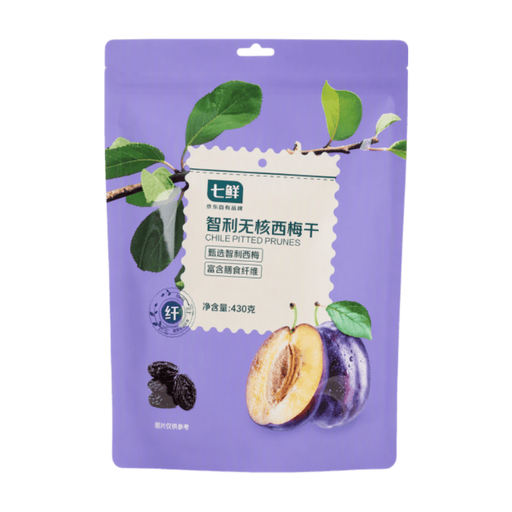 No image available
An option if you want to compare pitted prunes and portion information.
Declared energy: 283 kcal per 100 g; sugars: 24.5 g per 100 g. The ingredients list fructose syrup.
The description mentions individual 65 g packs.
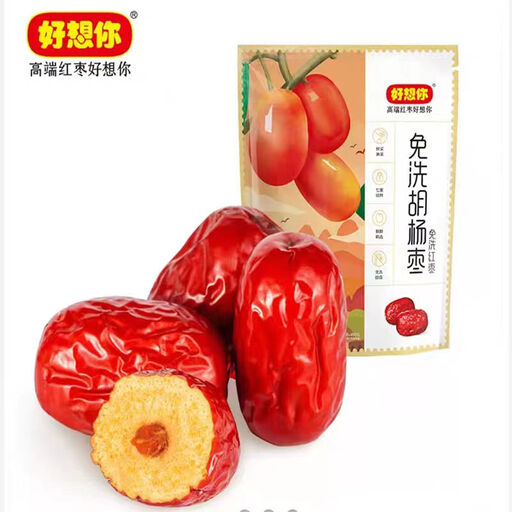 No image available
A snack option if you are looking for a product with stones and want to work out the energy per portion.
Declared energy: 331 kcal per 100 g. The title specifies jujubes with stones.
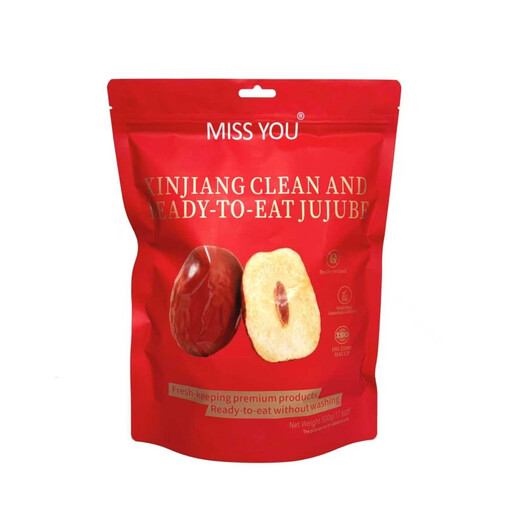 No image available
An option to compare if you are looking for jujubes that, according to the product description, can be eaten without washing.
Declared energy: 304 kcal per 100 g.
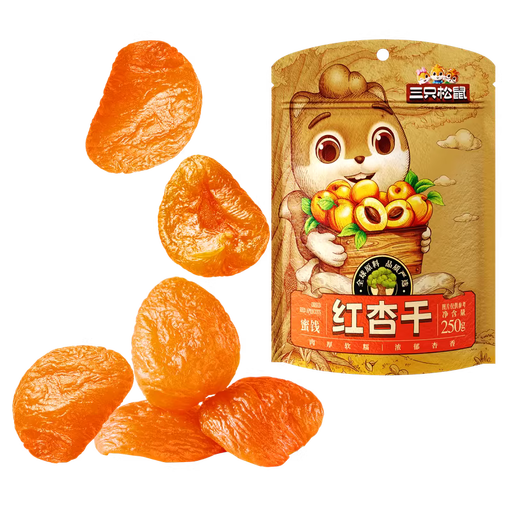 No image available
An apricot option to compare by energy and ingredients.
Declared energy: 311 kcal per 100 g. The ingredients list added sugar, malt syrup and sulphites.
The description mentions resealable packaging.
No. The claim tells you something about added ingredients, not about all sugars or the total energy. The PLUS apricots reviewed list 0 g of added sugar and 53.4 g of total sugars per 100 g, as well as 254 kcal per 100 g.
Use the energy per 100 g, then weigh out the same amount of each product. The Netherlands Nutrition Centre recommends eating no more than 20 g of dried fruit a day; this is dietary advice, not a legal consumption limit.
Albert Heijn, Jumbo and PLUS offer ways to order online. Lidl and Dirk say they do not deliver groceries. ALDI offers online shopping preparation; Supermarkt Bezorgservice says it is not possible to order groceries online from ALDI. Check the latest options for your address.
It depends on the exact product. The product information for the Albert Heijn soaked apricots reviewed says to refrigerate after opening at a maximum of 7 °C; for the PLUS apricots reviewed, it says to store in a cool, dry, dark place. Follow the label on the product you buy.
Check the latest allergen information and the packaging for the exact product. The three apricot products reviewed list sulphites; the NVWA includes sulphites in its allergen information for consumers.