
Vandaag of morgen in huis

Kwaliteit gegarandeerd

Welkomstaanbiedingen ontgrendelen: GRATIS bezorging | Tot 80% korting | Gratis 30 dagen JoyPlus-proefperiode
Download de app
Dried fruit is handy for popping in your bag, for school, the office or a train journey. It keeps longer than fresh fruit and is ready to eat straight away. However, not all products are the same. Some snacks contain a lot of added sugar, while others are relatively high in salt, sweeteners or sulphites.
The packaging can also be misleading. A large jar might look like good value, but it isn't always practical for eating on the go. And terms like "natural", "premium" or "healthy" don't tell you much unless you check the ingredients list and nutrition table. With these checkpoints, you can compare Asian snacks, Chinese dried fruit and other fruit snacks in a straightforward way.
During the drying process, the water content decreases. This makes the flavour more intense, but per 100 grams the amount of carbohydrates and sugars can be higher than in fresh fruit. What's more, some products contain extra sugar, glucose syrup or maltose.
A fruit snack with "fruit" on the front isn't automatically fruit without any additions. Always check the ingredients list. If sugar appears near the top, or the fruit is combined with syrup, then you're looking at a sweetened snack.
Traditional hawthorn snacks and plum snacks often combine sweet, sour and salty flavours. That's typical of many Asian snacks, but it doesn't make them suitable for everyone as a large daily portion. With products such as dried plums and hawthorn snacks, pay particular attention to salt, sugar and any sweeteners used.
Some varieties also contain colourings, preservatives or sulphites. That doesn't automatically have to be a problem, but it should be clearly stated on the label.
A 500g jar or bag can be handy for sharing at home, but once opened the product needs to be sealed properly. Individual sachets are usually more practical for fruit on the go, though they create more packaging waste. So don't just compare the total price – also compare the price per 100 grams and how you'll actually be using the snack.
For a reliable comparison, three points are important:
With dried mango, the difference is easy to see. MUSHAN BASE Dried Mango contains at least 79.5% mango according to the product information, alongside sugar, glucose powder and maltose syrup. PHILIPPINE BRAND Dried Mango states 75% mango and also contains sugar and sulphite. So if a product description says "no added sugar", you should always check it against the official label.
The nutrition table is usually given per 100 grams. That's handy for comparing, but a serving might be 20 to 30 grams, for example. Look out for:
A "healthy snack" isn't an objective product category. Only use that term as a general search term, and base your choice on the actual table and ingredients.
Check the net weight, best-before date and storage instructions. Most products should be kept cool, dry and out of direct sunlight. Once opened, it's important to seal them well; some products recommend refrigeration.
For a ready-to-eat fruit snack, small sachets are practical. For home use, a larger pack might be a better fit. Be extra careful when choosing for children if the label mentions warnings about colourings or sweeteners.
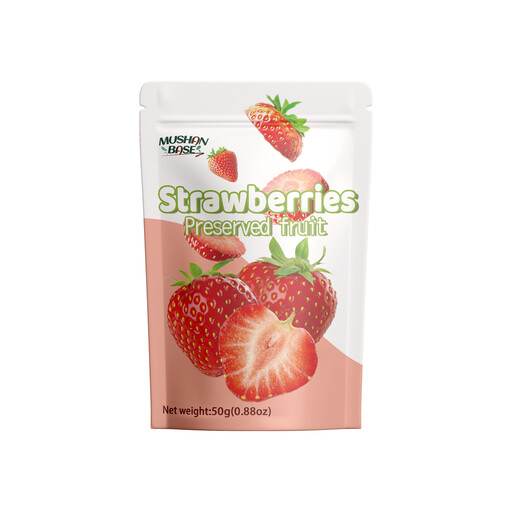
Why this fits the profile: The 50g bag is manageable for anyone wanting to try dried strawberries without buying a large quantity straight away.
The ingredients list is short: dried strawberries and sugar. So you can see straight away what you're buying, without a long list of flavourings or preservatives.
50g, ready to eat and easy to take with you. Per 100g the label states 313 kcal and 57.4g of sugar.
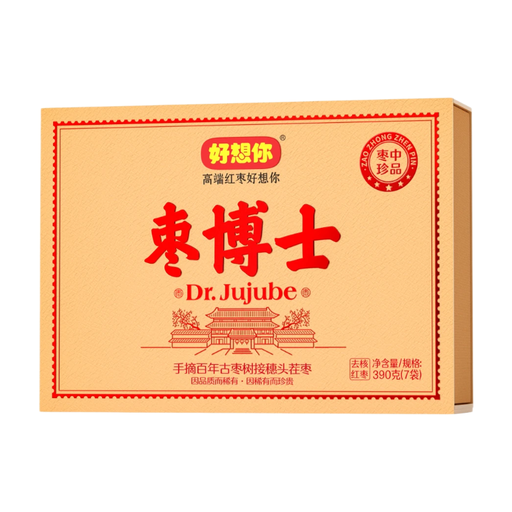
Why this fits the profile: Pitted red dates are ideal for anyone who values convenience and a larger quantity over individual portion packs.
The product information lists one ingredient: jujube. Do check the label and best-before date when you receive it, as you would with any food item.
390g, pitted and ready to eat. According to the nutritional information, the product contains 327 kcal and 50g of sugar per 100g.
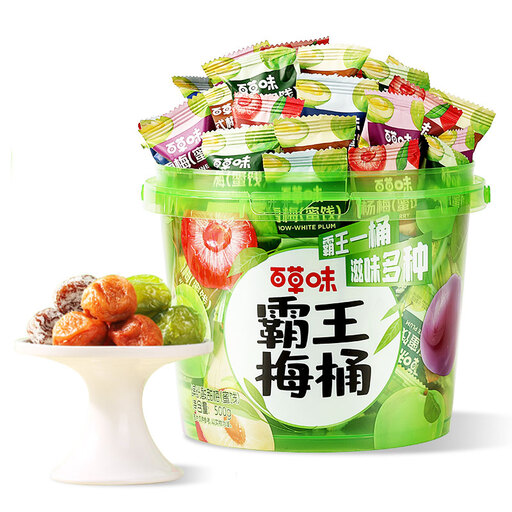
Why this fits the profile: The large tub is designed for sharing at home, for the store cupboard or for fans of sweet and sour Chinese plum snacks.
The tub contains five named plum varieties and 70 individual portions. The ingredients do list sweeteners, colouring and sulphites; check this beforehand if you have allergies or sensitivities.
500g total, five flavours and individual wrappers. Per 100g the label states 3.1g of salt and 30g of sugar.
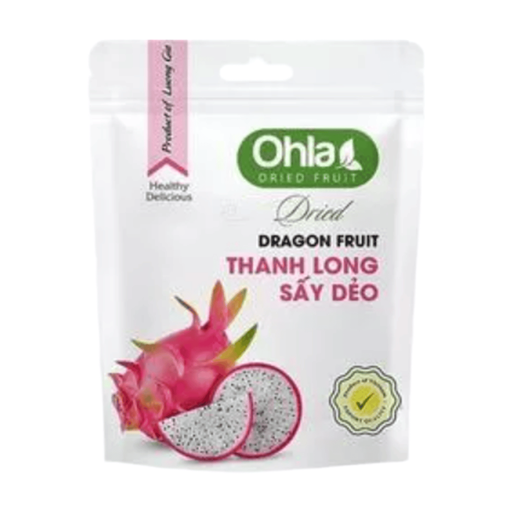
Why this fits the profile: This dried dragon fruit is a choice for anyone looking for a less everyday fruit flavour and a medium-sized pack.
The product information lists the ingredients and storage instructions, but notes that the exact composition may vary per pack. So check the current label.
180g and ready to eat. The stated nutritional value per 100g is 375 kcal, with 57.5g of sugar and 10g of fibre.
Store opened dried fruit in its original, well-sealed packaging or in a clean airtight container. Avoid heat, moisture and direct sunlight. Take small sachets with you to work, school or on the go, and use a larger jar mainly at home.
For products containing sulphites: read the label carefully if you are allergic or sensitive to them. For children, warnings about colourings such as Allura Red are relevant. A product with an appealing fruit flavour is still a snack; a limited portion is usually better than eating unlimited amounts straight from the bag.
We've put together a full, up-to-date list of products that fully meet these strict selection criteria and comply with current European safety regulations.
Yes, it's light, keeps well and is ready to eat. Just watch your portion size and check whether sugar, syrup or salt has been added. Individual packs are practical for popping in a bag.
Always check the date on the packaging. Unopened products generally keep for months if stored in a cool, dry place. Once opened, the flavour and texture can deteriorate more quickly. So seal the pack well and follow the brand's storage instructions.
Dried mango can contain just mango, but many varieties also contain sugar, glucose or syrup. Compare the fruit percentage, the ingredients list and the amount of sugar per 100 grams before you choose.
