
Stocking up while keeping an eye on fat
You want to stock up on dried fruit for snacking and start by checking the fat content, without confusing it with low sugar.


Looking to stock up on dried fruit with a low fat content? Compare the nutritional information per 100 g and choose a pack size that suits how much you use. Product information from Albert Heijn, Jumbo and PLUS lists 0.5–0.8 g of fat per 100 g for specific varieties of raisins and apricots. A low fat content does not automatically mean a product is low in sugar or calories, and does not in itself prove that it is a comparative reduced-fat variant.
You want to stock up on dried fruit for snacking and start by checking the fat content, without confusing it with low sugar.
You use raisins for snacks, breakfast or baking, and want a pack size that suits how often you use them.
You eat dried fruit from time to time and want to take into account how to store an opened pack.
First compare the fat content per 100 g, then consider pack size, sugar information and storage. For solid foods, the European Commission sets a maximum of 3 g of fat per 100 g for a ‘low fat’ claim. This limit does not in itself confirm that a product is a comparative reduced-fat variant.
| What to consider | What should you check? | Who is this important for? |
|---|---|---|
| Fat content per 100 g | Check the nutritional information for the exact fruit and variety. Compare products on the same basis, and treat reduced fat as a separate comparative claim. | I want to see on the label how much fat the chosen variety contains per 100 g, so I can compare products on the same basis. Around 36% of consumers make fat content their top purchasing priority. |
| Pack size | Check the net weight and consider how much you will use before the quality may start to deteriorate. | When I stock up, I look for an amount I can use in time. Around 29% of consumers prioritise pack size and the amount they keep in stock. |
| Sugars and portions | Read both the ingredients and the nutritional information, then decide what portion suits the way you use the product. | I want to know how much sugar the product contains and the difference between added and total sugars. Around 21% of consumers prioritise sugar information and portion control. |
| Storage after opening | Follow the storage instructions for the exact pack and fruit; store raisins according to the advice for raisins. | I eat dried fruit slowly and want to know how to store an opened pack properly. Around 14% of consumers make shelf life and stock management their top purchasing priority. |
A low fat content does not tell you how much sugar or energy a product contains. For example, the product information for AH Sun-Dried Raisins lists 0.5 g of fat, 59 g of sugars and 344 kcal per 100 g.
Compare sugars and kcal per 100 g too, and take into account how much you eat.
Raisins can dry out or lose quality after opening if they are not stored properly. The Netherlands Nutrition Centre advises storing raisins in a cool, dry, dark place in a tightly sealed container.
Choose an amount that suits how much you use, and follow the storage advice for the opened pack.
AH Sun-Dried Raisins lists 0 g of added sugars and 59 g of total sugars per 100 g. PLUS Sultana Raisins lists 0 g of added sugars and 68.2 g of total sugars per 100 g.
Read the ingredients list and the sugars line in the nutritional information side by side.
The product information for Jumbo Pitted Dried Apricots lists sulphites and warns that traces of stones and other allergens may be present.
Check the allergen information and warnings on the pack of the exact variety.
The range includes AH Sun-Dried Raisins in a 750 g pack.
Relevant Jumbo varieties include 500 g sultana raisins and 250 g dried apricots.
Lidl Netherlands lists dried fruit at selected stores.
ALDI’s product page lists TRADER JOE'S Raisins in a 500 g pack.
PLUS Sultana Raisins are listed in a 375 g stand-up pouch.
Dirk lists raisins in a 750 g pack.
These Joybuy options are dried fruit products in a range of pack sizes for stocking up. Compare the net weight, listed nutritional information and any usage restrictions for each variety.
 No image available
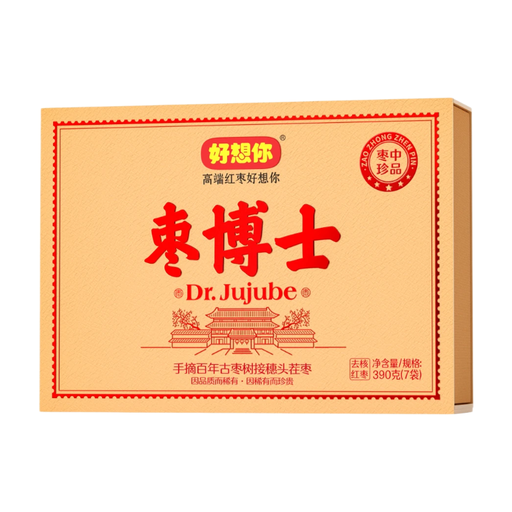
The 390 g pack may suit anyone looking to keep dried jujubes in stock.
The product information lists 0 g of fat and 50 g of sugars per 100 g.
 No image available
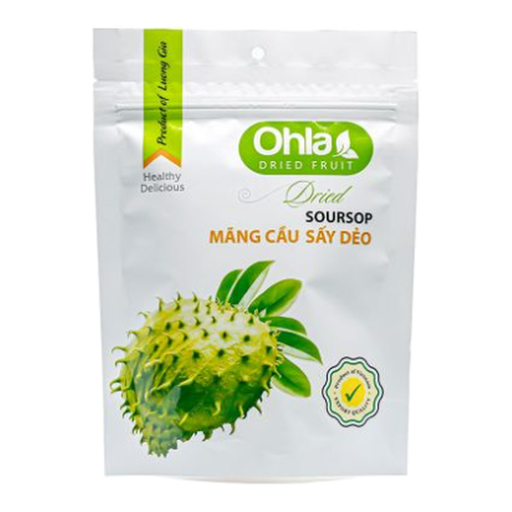
The 180 g pack is a smaller quantity of dried soursop.
The product information lists 2.21 g of fat per 100 g. The ingredients description includes sugar, glucose and sodium metabisulphite.
 No image available
The 500 g pack may suit regular use of jujubes.
The product information lists 0.5 g of fat and 60 g of sugar per 100 g.
 No image available
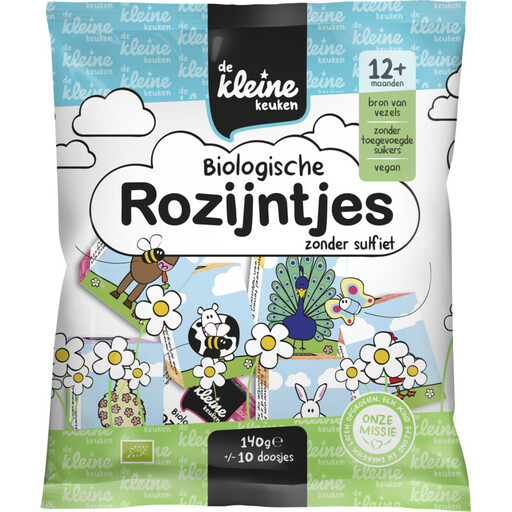
The pack contains ten individual 14 g snack boxes.
According to the product information, suitable from 12 months, with supervision while eating; not suitable for children with swallowing difficulties.
 No image available
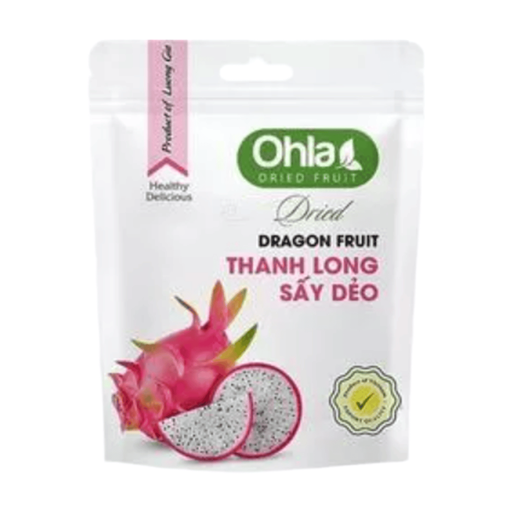
The pack contains 180 g. The listed nutritional information is 3.75 g of fat, 375 kcal and 57.5 g of sugars per 100 g.
For solid foods, the European Commission sets a maximum of 3 g of fat per 100 g for a ‘low fat’ claim. The listed fat content is higher than this.
No. AH Sun-Dried Raisins lists 0.5 g of fat and 344 kcal per 100 g. So compare the energy content too, and take into account how much you eat.
No. A low fat content per 100 g does not in itself prove that a product is a comparative reduced-fat variant. For solid foods, the European Commission sets a maximum of 3 g of fat per 100 g for a ‘low fat’ claim. Check the exact pack and the applicable conditions for a comparative claim.
The Netherlands Nutrition Centre advises storing raisins in a cool, dry, dark place in a tightly sealed container. For opened raisins, the Storage Guide gives a shelf life of 6–9 months in a kitchen cupboard; for an unopened pack, follow the label and best-before date.
Yes. The product information for Jumbo Pitted Dried Apricots warns that traces of stones may occasionally be present. Also check the allergen information for that specific pack.
The product information for Jumbo Pitted Dried Apricots lists sulphites. The NVWA states that allergen information for prepacked products must be shown on the label; check the information for the exact variety.