What should you look for when buying?
First decide which dietary requirement or ingredient takes priority, then consider the portions you want and how you’ll serve them.
| What to consider |
What to look for |
Who is this important for? |
| Specific avoidance diet |
Check the ingredients and warnings for the relevant allergen. |
If someone at the table needs to avoid a specific allergen or gluten, I want to be able to assess the exact product. Around 36% of consumers prioritise suitability for their own avoidance diet. |
| Sulphites |
Check for sulphites or preservatives E220–E228, as well as other relevant product information. |
If sulphites need to be avoided, I don’t want to judge apricots by their orange colour. Around 29% of consumers give avoiding sulphites top priority. |
| Added sugar and portion size |
Check the ingredients list and decide in advance how much you want to serve. |
If I want to avoid added sugar, I check the ingredients and measure out a portion beforehand. Around 21% of consumers prioritise this consideration. |
| Serving and quantity |
Choose between individual packs and a larger bag; check the contents and storage instructions. |
I want to serve snacks easily without buying more than the group needs. Around 14% of consumers give the most weight to packaging and the quantity required. |
Dried fruit options at Joybuy
These Joybuy products include dried or freeze-dried fruit snacks, including fruit mixes with nuts. The product information doesn’t confirm that any option is suitable for a specific allergy or avoidance diet, so always check the current packaging.
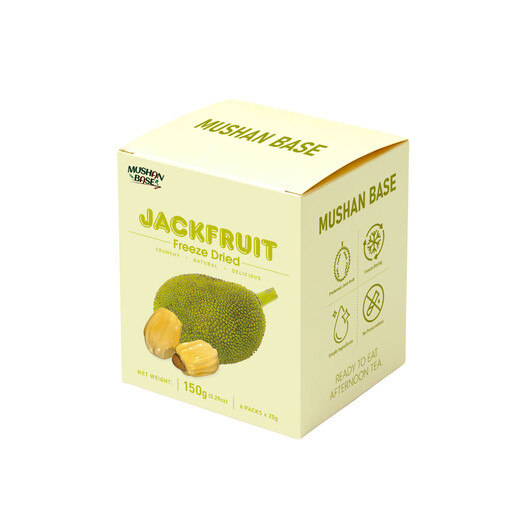 Image unavailable
MUSHAN BASE freeze-dried jackfruit, 150 g (25 g × 6)
The product description lists jackfruit as the only ingredient and states that no sugar has been added.
The pack is described as containing six individual 25 g sachets.
The product information doesn’t confirm that it’s suitable for a specific avoidance diet.
View at Joybuy
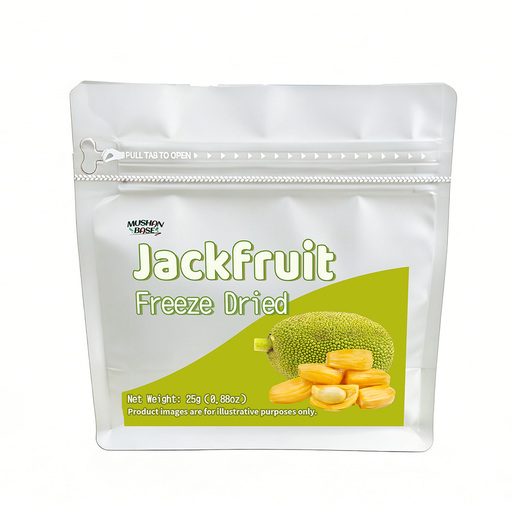 Image unavailable
MUSHAN BASE freeze-dried jackfruit, 25 g
The product information lists 100% jackfruit and no added sugar.
The pack contains 25 g.
The product information doesn’t confirm that it’s suitable for a specific avoidance diet.
View at Joybuy
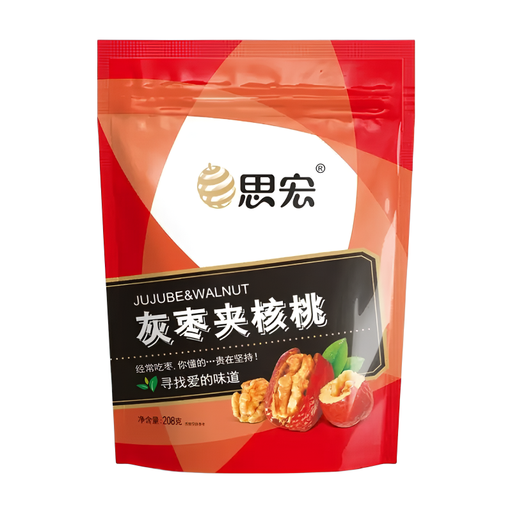 Image unavailable
Sihong grey dates with walnuts, 208 g
The product description lists grey dates and walnuts as ingredients and states that no sugar has been added.
Contains walnuts; not suitable for anyone who needs to avoid walnuts.
The product information doesn’t confirm that it’s suitable for any other specific avoidance diet.
View at Joybuy
 Image unavailable
OHLA dried guava, 180 g
The product description lists guava as the main ingredient.
The ingredients information lists sugar and a preservative.
The product information doesn’t confirm that it’s suitable for a specific avoidance diet.
View at Joybuy
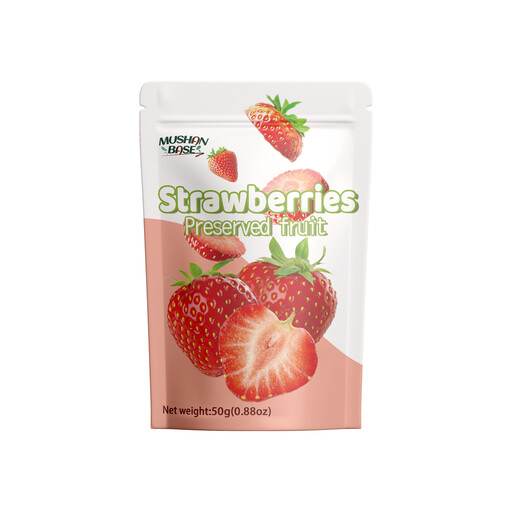 Image unavailable
MUSHAN BASE dried strawberry slices, 50 g
The ingredients information lists dried strawberries and sugar.
The product description suggests enjoying them as a snack or using them as a topping.
The product information doesn’t confirm that it’s suitable for a specific avoidance diet.
View at Joybuy
Frequently asked questions
Does ‘free from’ mean everyone can safely eat the snack?
No. Check that the claim relates to exactly what the person needs to avoid. Also check the ingredients and relevant warnings on the packaging; a general free-from claim doesn’t replace these checks.
Is a sulphite reaction the same as a food allergy?
The Dutch Food Allergy Foundation describes a reaction to sulphites as an intolerance reaction, not an allergic reaction. Sulphites can be added as preservatives E220–E228; if you need to avoid them, check the information for the exact product.
Is dried fruit with no added sugar sugar-free?
No. No added sugar doesn’t mean the fruit contains no naturally occurring sugars. Check the ingredients list and decide for yourself how much you want to serve.
Do you need to buy gluten-free dried fruit as standard for a football night?
No. The Netherlands Nutrition Centre says that people without the relevant conditions don’t need to eat gluten-free. If avoiding gluten is necessary, assess the specific product; a gluten-free claim isn’t a general guarantee that it meets other dietary requirements.
How can you serve snacks when a guest follows a different diet?
Keep the snack checked for that guest separate from nut mixes and other snacks, use separate serving utensils and keep the packaging so you can check the ingredients. This is a practical precaution, not a guarantee of product safety.


