
Vandaag of morgen in huis

Kwaliteit gegarandeerd

Welkomstaanbiedingen ontgrendelen: GRATIS bezorging | Tot 80% korting | Gratis 30 dagen JoyPlus-proefperiode
Download de app
Dried fruit is handy for taking on the go, at breakfast or as part of a snack mix. However, not every bag is the same. Drying removes water from the fruit, making it take up less space and concentrating its flavour. As a result, a small portion can contain relatively high levels of natural sugars. Some products also contain added sugar, acidity regulators or preservatives.
Comparing products carefully helps you avoid buying something that is unsuitable for how you plan to use it. Pay particular attention to the ingredients list, nutritional values, packaging and whether the product contains stones or allergens.
Products with a fruity appearance may contain sugar, glucose syrup, oil, citric acid or sulphites as well as fruit. For example, dried tangerine consists of at least 78% tangerine, along with white sugar and citric acid. According to the product information, OHLA Dried Guava contains 95% guava, supplemented with sugar and a preservative.
If you want the simplest possible ingredients list, look for one containing fruit only. Always check the label on the packaging you receive as well, as recipes can change.
Raisins, dates and exotic dried fruit contain less water than fresh fruit. This means their nutritional values per 100 grams can be high. A product can still fit perfectly well into an active diet, but ‘no added sugar’ does not mean that it is sugar-free.
That is why you should compare carbohydrates and sugars per 100 grams, rather than looking only at the front of the packaging. The Medjoul dates mentioned above, for example, list 67.8 grams of carbohydrates per 100 grams. The nutritional information for Anatolia Sari Uzum states that it consists of 100% dried grapes.
Dates and red dates may be sold with or without stones. Check this before buying them for baking, cooking or young children. According to the product information, raisins may pose a choking hazard for young children. For babies, a smooth product such as prune purée for babies is a different category from pieces of dried fruit.
Also look out for sulphites. OHLA Dried Chili Mango lists sodium bisulphite and ‘sulphites’ as an allergen. Store opened packaging tightly sealed, in a cool, dry place, and follow the date and instructions on the packaging.
Start by choosing according to the ingredients:
According to the product information, several products contain none of the 14 main EU allergens. This is not a substitute for reading the current label. If you have allergies or intolerances, always check the packaging.
The intended use determines which texture is most practical:
A large pack is practical for everyday use or a family, but only if you will use the contents before they go out of date. Zohra Medjoul dates are available in a 908-gram pack with a stated shelf life of 330 days. A bag of 80 or 100 grams, on the other hand, is ideal for trying a flavour first.
Keep dried fruit out of direct sunlight and away from heat and moisture. Seal the packaging securely after opening. According to the product information, opened Ella’s Kitchen BIO Prunes 4M+ purée should be stored in the fridge and used within 48 hours.
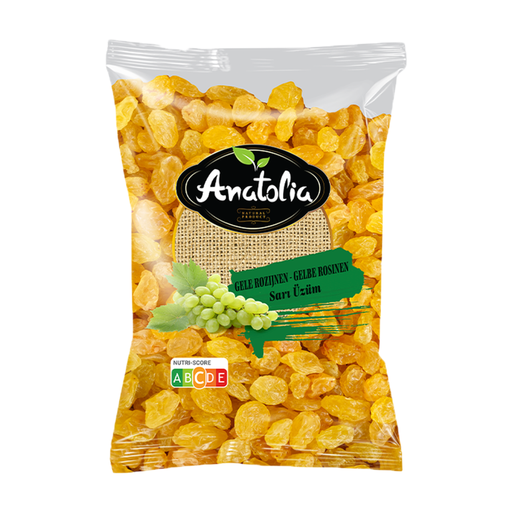
Why it suits this profile: A versatile 500-gram bag for breakfast, baking, cooking or eating straight from the pack. The ingredients list states 100% dried grapes.
The ingredients are straightforward. However, check the portion size and keep the bag securely closed after opening.
500 grams; suitable for sweet and savoury dishes; ready to eat.

Why it suits this profile: The L-size Medjoul dates are intended for anyone who enjoys a large, soft date with a pronounced sweet flavour.
The product information lists dates as the ingredient and recommends storing them in a cool, dry place. Check the packaging to see whether the dates are stone-free.
908 grams; L-size; ideal for stuffing or adding to yoghurt, porridge and shakes.
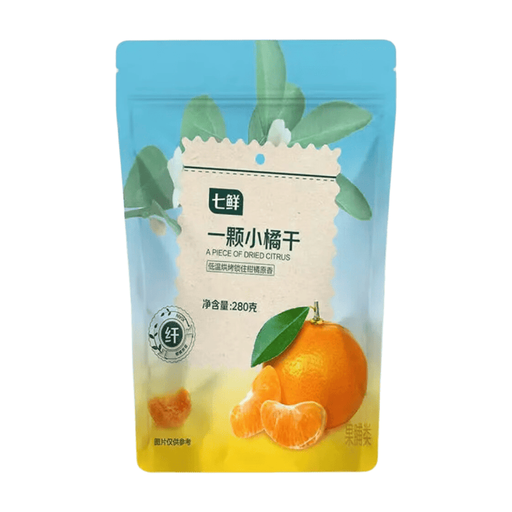
Why it suits this profile: Individual packaging makes this dried tangerine practical for work, travel and snacks on the go.
The ingredients clearly list tangerine, white sugar and citric acid. This makes it clear that the product is not made from fruit alone.
280 grams; individually wrapped; according to the nutritional information, 363 kcal per 100 grams.
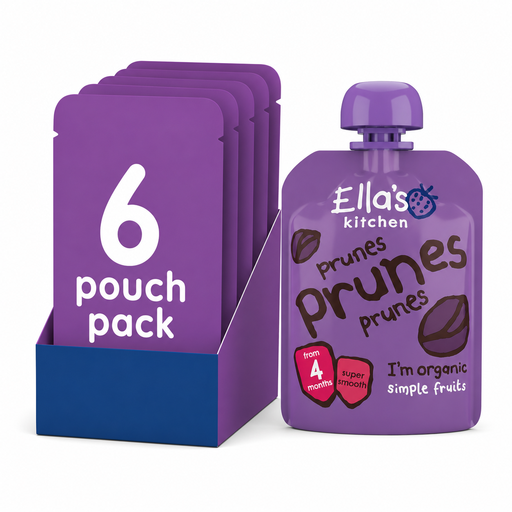
Why it suits this profile: According to the product information, this prune purée is intended for babies from 4 months and comes in convenient pouches.
The ingredients list states 100% organic prunes, with no added water or sugar. Give the product according to the packaging instructions and age recommendation.
Six 70-gram pouches; organic; refrigerate after opening and use within 48 hours.
We have put together a complete, up-to-date list of products that fully meet these strict selection criteria and the applicable European safety regulations.
Use this quick checklist before ordering:
That depends on your overall diet and the portion size. Dried fruit is compact and easy to take with you, but contains less water by weight than fresh fruit. So check the nutritional values and choose an amount that suits you. Not all products are the same: dried mango with sugar, for example, is different from 100% raisins.
Shelf life varies from one product to another. In general, store it in a cool, dry place, away from direct sunlight and in a tightly sealed container. Always check the packaging. Prune purée has a shorter use-by period after opening: Ella’s Kitchen states that it should be refrigerated and consumed within 48 hours.
Medjoul dates are a larger variety of date with a soft, creamy texture, according to the product description. Standard dates and jujubes may be smaller, firmer or processed differently. When buying, check the size, stones, ingredients and intended use.
