
Regular raisin users
You often use the same type of fruit for breakfast or baking and are looking for a large pack with a price per kilo you can check. Jumbo’s product information lists sultanas in various pack sizes.


A larger pack of dried fruit makes sense as a store-cupboard staple if you use that type of fruit regularly, the price per kilo is genuinely lower, and you can store and use the contents according to the pack instructions. If your usage varies, smaller packs may suit you better. Also check the ingredients and allergens for each variety, as a larger pack tells you nothing about its contents.
You often use the same type of fruit for breakfast or baking and are looking for a large pack with a price per kilo you can check. Jumbo’s product information lists sultanas in various pack sizes.
You want to keep dried fruit in the cupboard, but you don’t get through every type at the same rate. So check the pack size and storage instructions, rather than simply choosing the largest bag. The Netherlands Nutrition Centre provides storage advice for specific products, including raisins and mixed dried fruit.
You keep an eye on added sugar or need to take a food allergy or sensitivity to sulphites into account. Check each type and variety individually; for example, PLUS’s product information lists sulphites for the apricots described.
First compare the same type and variety of fruit, then work out how much you actually use, and finally check the product information on the pack.
| What to consider | What to look for | Who should pay particular attention? |
|---|---|---|
| Genuine savings per kilo | Compare the price per kilogram for the same type of fruit and relevant variety. Only include offers whose terms apply to your purchase. | If you use the same type of fruit regularly, you’ll want to know whether the price per kilo makes the higher spend per purchase worthwhile. Around 31% of consumers prioritise the price per kilo. |
| Using up your supplies | Estimate your usual usage and follow the storage advice on the exact pack. For opened raisins and dried mixed fruit, the Netherlands Nutrition Centre recommends 6–9 months in a kitchen cupboard; this advice does not automatically apply to other products. | If your usage varies by type, you’ll want to avoid buying more than you can use in time. Around 25% of consumers give top priority to using up what they buy. |
| Ingredients and allergens | Check the ingredients, nutritional information and allergens for the exact variety. The PLUS apricots described list E220, sulphur dioxide and sulphites; this does not mean that all dried apricots have the same ingredients. | If you want to avoid added sugar or need to take a relevant allergen into account, make sure the variety you choose is suitable. Around 25% of consumers prioritise ingredients. |
| Type of fruit and how you’ll use it | Decide whether you want one type of fruit or a mix, whether you want to avoid stones, and how much of each type you’ll use. A fruit and nut mix is not the same as dried fruit on its own. | If you’re looking for different types of fruit for different uses, what’s in the pack matters more than the pack size alone. Around 19% of consumers prioritise variety and how they’ll use it. |
A larger pack may have a lower price per kilo, but that doesn’t automatically make it better value for your needs. The Jumbo 750 g sultanas described have a lower listed price per kilo on the product page than the 500 g variety; this comparison applies only to these two varieties.
Compare the same type of fruit by the kilogram, then choose an amount you can use according to the storage instructions.
Dried fruit with no added sugar still contains naturally occurring sugars. The Netherlands Nutrition Centre makes this distinction for dried fruit.
Check the ingredients and nutritional information separately, and don’t let a large pack determine how much you eat at a time.
The PLUS apricots described contain E220 and list sulphur dioxide and sulphites. This product feature does not automatically apply to other apricots or types of fruit.
If you have a food allergy or sensitivity to sulphites, check the exact variety and current packaging before buying.
ALDI describes resealable packaging for a specific 200 g fruit mix. This doesn’t prove that the 500 g raisin pack has the same type of closure.
Check the seal and follow the storage advice for the product you buy.
If the pack doesn’t seal properly, you may need a suitable storage container.
The official product information lists raisins, as well as dried fruit such as unsweetened pineapple.
The official product information lists sultanas in pack sizes including 500 g and 750 g.
The official store page lists dried tropical fruits in different 200 g varieties and states that they are sold in store.
The official product pages list, among other things, 500 g raisins, 250 g pitted prunes and a separate 200 g fruit mix.
The official product information lists sultanas, apricots and mixed dried fruit in various pack sizes.
The official product listing makes raisins relevant for comparison across the supermarkets mentioned.
These product options include red jujubes and dried plums for stocking up, snacking or using as an ingredient.
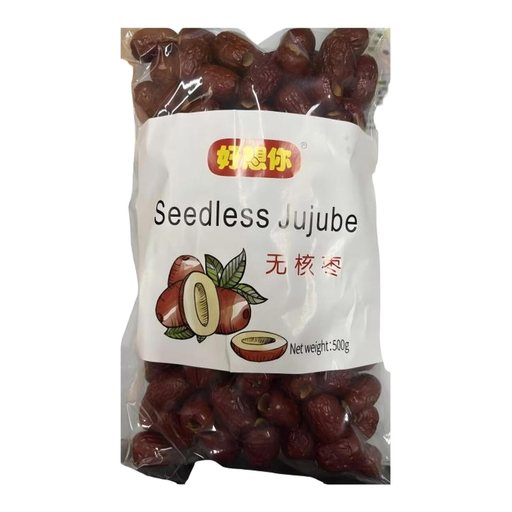 No image available
A good option if you’re looking for pitted red dates to enjoy as a snack or use as an ingredient.
500 g pack; the product description lists red dates as the only ingredient and advises sealing the pack tightly after opening and storing it in a cool, dry place below 15 °C.
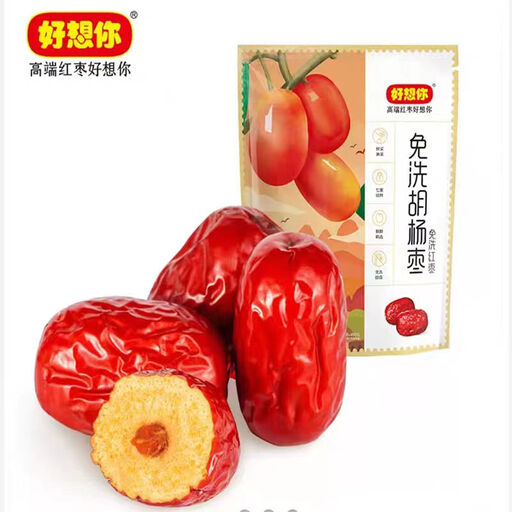 No image available
A good option if you’re looking for jujubes with stones to enjoy as a snack or use in dishes.
450 g pack. The product instructions say to consume the product immediately after opening.
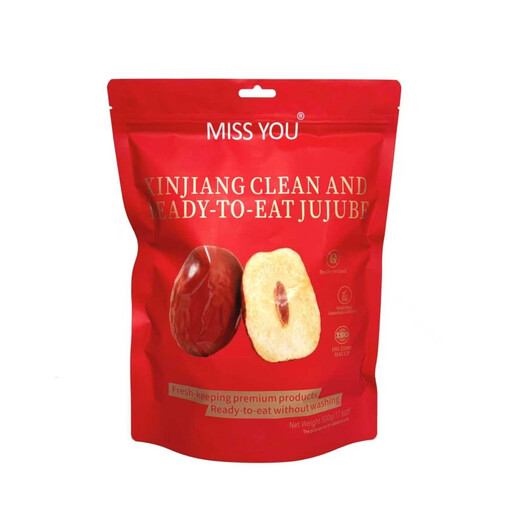 No image available
A good option if you’re looking for jujubes that, according to the product description, don’t need washing.
500 g pack; the product description lists jujubes as the only ingredient. The product instructions say to consume the product immediately after opening.
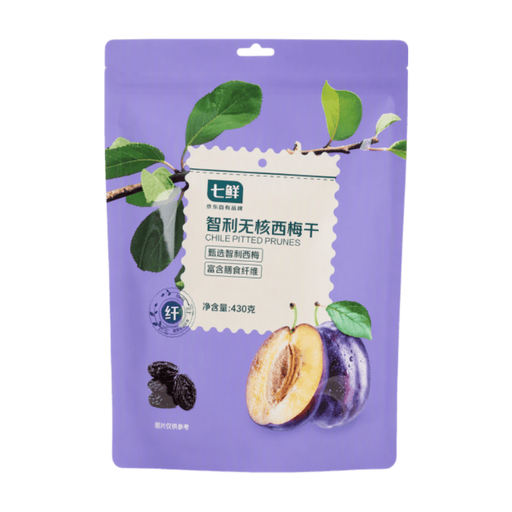 No image available
A good option if you’re looking for pitted prunes to enjoy as a snack or add to breakfast or baking.
430 g pack. The ingredients list dried plums; the product instructions say to consume the product immediately after opening.
Choose an amount that suits your usual usage and follow the storage instructions on the exact pack. For dried fruit with no added sugar, the Netherlands Nutrition Centre advises eating no more than a handful, as dried fruit contains a lot of sugar.
No. Storage advice for one type doesn’t automatically apply to another. For opened raisins and dried mixed fruit, the Netherlands Nutrition Centre recommends 6–9 months in a kitchen cupboard and says these products are less suitable for freezing. Follow the instructions on your pack.
Check the condition of the product. The Netherlands Nutrition Centre says raisins that are dried out, hard, discoloured or mouldy may show signs of deterioration or spoilage.
According to the Netherlands Food and Consumer Product Safety Authority, allergen information for prepacked products must appear on the label. Sulphites are among the allergens that must be declared; the PLUS apricots described list sulphur dioxide and sulphites.
Official government information on food labelling states that label information must be in Dutch and also available online. Check the information for the exact variety you’re considering.