If you’re mainly looking for a low-fat option, compare the nutritional information for the exact product: Jumbo Sultana Raisins and PLUS Dried Apricots both list 0.5 g of fat per 100 g. This doesn’t prove a reduction in fat compared with a similar product. For a small addition to breakfast, also check the sugar, energy, your portion size and the storage instructions.
Who is this relevant to?
Breakfast shoppers looking for low-fat options
You want to be able to check the fat content in the nutrition table on the specific pack, without treating an unsupported claim about fat reduction as proof. Jumbo and PLUS list specific fat values per 100 g.
Busy mornings and people who portion ahead
You want to head out without extra preparation, choosing between portioning the fruit yourself and adding it to a breakfast prepared in advance. The storage instructions for your chosen product should suit how you use it; Albert Heijn, Jumbo and PLUS offer different product types and packaging.
Snackers keeping an eye on portion size
You’re looking for a small addition to breakfast, so you consider not only fat but also sugar, energy and how much you eat. The Netherlands Nutrition Centre offers advice on how much dried fruit to eat; nutritional values vary by product.
What should you look for when choosing?
Start by checking the nutritional information for the exact product. Then consider how much preparation and storage will suit your morning, and choose a portion that matches what you want to eat.
| What to consider |
What should you check? |
Who is this important to? |
| Fat content and claims |
Compare the fat per 100 g on the pack of the exact product. Don’t treat a low absolute value as proof of reduced fat compared with a similar product. |
If I’m mainly watching fat, I want to compare the nutritional information for the exact product I’m buying. Around 31% of consumers prioritise fat content. |
| Preparation and storage |
Check whether the product is ready to eat and what the storage instructions are after opening; decide whether you want to prepare portions at home. |
When I need to head out quickly in the morning, I want as little preparation and storage fuss as possible. Around 31% of consumers give morning convenience top priority. |
| Portion, sugar and energy |
Check sugar and energy per 100 g alongside fat, and decide in advance how much fruit to add to your breakfast. The Netherlands Nutrition Centre recommends a maximum of 20 g of dried fruit per day. |
If I want a small addition, I look at how much I actually eat, not just the fat figure. Around 25% of consumers prioritise portion size and energy. |
| Ingredients and allergens |
Check the ingredients and allergen information on the current packaging, paying particular attention to any ingredients you’re sensitive to. |
If I have specific ingredient or allergen requirements, I want to check the packaging before choosing. Around 13% of consumers prioritise this check. |
Common mistakes
-
Treating a low fat figure as proof of reduced fat
Nutritional information shows the amount of fat in that particular product, but on its own it doesn’t show a reduction compared with a similar reference product.
Compare the values for the exact products, and treat a claim about reduced fat as valid only if it’s substantiated for that comparison.
-
Confusing low-fat with low-energy
Jumbo lists 0.5 g of fat, 75.5 g of sugars and 326 kcal per 100 g for its Sultana Raisins. So a low fat figure alone doesn’t tell you how much sugar or energy the product contains.
Check the nutritional values side by side and decide how much to add to your breakfast. The Netherlands Nutrition Centre recommends a maximum of 20 g of dried fruit per day; this is dietary advice, not a legal product requirement.
-
Storing all dried fruit the same way after opening
Storage instructions vary by product. For AH Soaked Dried Apricots, Albert Heijn says to refrigerate after opening at a maximum of 7°C.
Follow the instructions on the packaging of the product you buy, and don’t assume they’re the same for other dried fruit.
Relevant brands for reference
Albert Heijn
AH Soaked Dried Apricots are a pre-soaked, pitted option that you can add straight to yoghurt or breakfast cereal.
- Albert Heijn lists 0.6 g of fat and water in the ingredients.
- The product contains sulphites and should be refrigerated after opening at a maximum of 7°C.
Jumbo
Jumbo Sun-Dried Sultana Raisins 500 g are an option for portioning into breakfasts yourself.
- Jumbo lists 0.5 g of fat per 100 g.
- The nutrition table also lists 75.5 g of sugars and 326 kcal per 100 g; the ingredients include cottonseed oil. This product is not substantiated as having reduced fat.
Lidl
Lidl Netherlands lists dried fruit for sale in selected stores.
- The product listing may be useful if you shop at one of the stores mentioned.
- The product name alone doesn’t substantiate its fat content or any fat reduction.
ALDI
ALDI lists Trader Joe’s Raisins in a 500 g pack.
- The product listing confirms the product type and pack size.
- The product listing doesn’t substantiate a nutritional claim about fat content.
PLUS
PLUS Dried Apricots 375 g are a dry option with listed ingredients and nutritional values.
- PLUS lists 0.5 g of fat per 100 g.
- The product contains sulphites, and its nutritional information doesn’t substantiate reduced fat compared with a similar product.
Dirk
Dirk lists, among other products, pitted apricots and pitted prunes in 200 g packs.
- The listings give examples of product types in the dried fruit range.
- The product names don’t substantiate a low fat content or a comparison with another product.
Dried fruit at Joybuy
These Joybuy products are options for dried fruit you can take with you without any preparation; check the listed nutritional values and storage instructions for each product.
 No image available
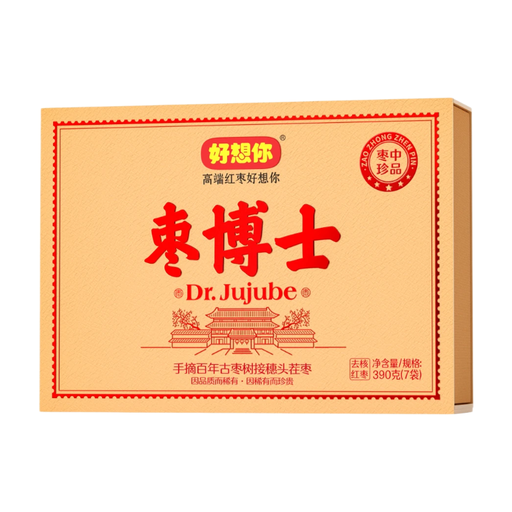
Haoxiangni Dr.Jujube Premium Gold-Grade Pitted 390g
According to the product information, the pitted jujubes are ready to eat and can be taken with you without any preparation.
The listed nutritional values per 100 g are 0 g of fat, 50.0 g of sugar and 327 kcal. Store in a cool, dry place; consume immediately after opening.
View product
 No image available
OHLA Dried Guava 180g
The product description recommends dried guava as a snack on the go.
The listed nutritional values per 100 g are 1.73 g of fat and 308 kcal. The description lists guava (95%), sugar and a preservative, and says to store in a cool, dry place.
View product
 No image available
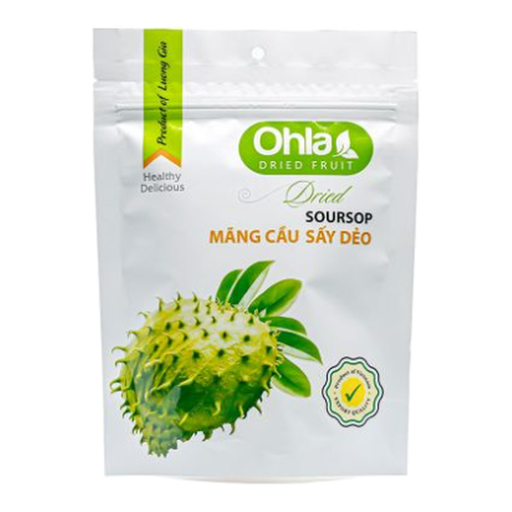
OHLA Dried Soursop 180g
The product description recommends dried soursop as a snack on the go.
The listed nutritional values per 100 g are 2.21 g of fat, 72.6 g of sugar and 348 kcal. The ingredients list includes sugar and glucose. After opening, reseal well or refrigerate, according to the product information.
View product
 No image available
Haoxiangni Pitted Jujubes 500g
According to the product information, the pitted jujubes are ready to eat; there’s no need to prepare them first.
The ingredients list states 100% red dates. The listed nutritional values per 100 g are 0.5 g of fat, 60 g of sugar and 300 kcal. Store in a cool, dry place and reseal the pack well after opening.
View product
 No image available
Three Squirrels Dried Red Apricots 250g
The product information says the apricots are ready to eat without soaking first.
The listed nutritional values per 100 g are 0 g of fat, 62.0 g of sugar and 311 kcal. The ingredients list includes sugar, maltose syrup and sulphites. According to the product information, consume immediately after opening.
View product
Frequently asked questions
What does ‘low fat’ mean on food packaging in the Netherlands?
For solid foods, the European Commission sets a maximum of 3 g of fat per 100 g as a condition for using the ‘low fat’ claim. The Netherlands Food and Consumer Product Safety Authority confirms that nutrition claims must comply with European rules. The claim alone says nothing about sugar or total energy content.
How much dried fruit can I have as a small addition to breakfast?
The Netherlands Nutrition Centre recommends a maximum of 20 g of dried fruit per day. This is dietary advice, not a legal portion limit or proof that a pack on its own makes a complete breakfast.
Should I refrigerate soaked apricots after opening?
For AH Soaked Dried Apricots, Albert Heijn says to refrigerate them after opening at a maximum of 7°C and notes that they have a limited shelf life. Don’t automatically apply this instruction to other products; check their labels.
Why should I check for sulphites in dried apricots?
AH Soaked Dried Apricots and PLUS Dried Apricots list sulphites. Bear this in mind when choosing if you’re sensitive to them. The Netherlands Food and Consumer Product Safety Authority lists sulphites among the allergens consumers must be informed about.
What should I do if the online product information differs from the packaging?
Check the ingredients, nutritional values and allergen information on the packaging of the product you bought. Albert Heijn and PLUS note that product information can change and direct customers to their customer service teams if they have questions.


