
Mindful buffet snackers
You want to estimate how much you’re actually serving yourself. The Netherlands Nutrition Centre gives general nutritional values per dried apricot; don’t use these as product-specific values for a different pack.


If you’re serving dried fruit and keeping an eye on its energy content, compare the nutritional values per 100 g and decide how much you’ll actually serve. A small portion doesn’t make the product itself low in calories. The Netherlands Nutrition Centre lists 26 kcal for an average 9 g dried apricot, so two provide 52 kcal. Always check the label on the pack you choose, and take account of any ingredients your guests need to avoid.
You want to estimate how much you’re actually serving yourself. The Netherlands Nutrition Centre gives general nutritional values per dried apricot; don’t use these as product-specific values for a different pack.
You want to know whether sugar has been added, without confusing this with the total amount of sugars or energy. The Netherlands Nutrition Centre makes this distinction for dried fruit.
You want to have the chosen product’s ingredient information to hand. The Netherlands Food and Consumer Product Safety Authority says that allergen information for prepacked products must be shown on the label.
For a buffet, four practical questions can help you choose: how much to serve, whether sugar has been added, how much you need and whether the ingredients are suitable for your guests.
| What to consider | What should you look for? | Who is this most relevant to? |
|---|---|---|
| Energy per portion | Compare kcal per 100 g and calculate the amount for the weight you’ll serve; weighing it gives you a clearer portion size than taking a handful. | If I want to keep track of the energy in my buffet portion, I weigh out what I’m serving and calculate it using the value on the label. Around 36% of consumers say the energy in a portion is their main concern when buying. |
| Added sugar | Check both the ingredients list and the nutrition table; no added sugar doesn’t mean sugar-free. | If I want to avoid certain ingredients, I check the ingredients list without assuming this means fewer calories. Around 29% of consumers say avoiding added sugar is their top priority. |
| Quantity and leftovers | First decide how many grams you want to serve and compare this with the net weight; follow the pack’s advice for storing any leftovers once opened. | If I don’t want to buy more than I need for the buffet, I choose a pack that matches the amount I plan to serve. Around 21% of consumers prioritise suitable quantities and leftovers they can use. |
| Ingredients for guests | Ask which ingredients a guest needs to avoid and check the current label on the exact variant. | If a guest needs to avoid sulphites or another ingredient, I check the pack rather than relying on a product name or certification. Around 14% of consumers say avoiding ingredients that affect their guests is their main concern when buying. |
The energy in a portion doesn’t determine whether a product meets the requirements for a nutrition claim. The European Commission sets a maximum of 40 kcal (170 kJ) per 100 g for the ‘low energy’ claim on solid foods.
Compare the nutritional value per 100 g, then calculate the energy for the amount you plan to serve.
Dried apricots contain naturally occurring sugars. The Netherlands Nutrition Centre lists 5 g of sugars in an average 9 g apricot; no added sugar doesn’t mean sugar-free or low in energy.
Assess the ingredients list and nutrition table separately, then calculate the values for your actual portion.
These descriptions don’t automatically tell you whether a product is suitable for a guest with a specific allergy or sensitivity to sulphites. The Food Allergy Foundation describes sulphites as preservatives E220–E228.
Ask what needs to be avoided and check the label on the exact variant, even if it’s sold as organic.
A pack is a purchase quantity, not an individual portion. Buying more than you need can also leave you with unused leftovers.
Plan the serving weight in advance and follow the pack’s storage advice for any leftover fruit.
AH Raisins is a product range to consider if you’re thinking of serving raisins at your buffet.
Jumbo Organic Dried Apricots 250 g may be worth considering if organic sourcing or preservatives are factors for you.
Lidl presents Alesto as a range of dried fruit and nuts, and suggests using dried fruit as a topping.
TRADER JOE'S Sun-dried Apricots 250 g is a specific variant with a clearly stated pack size.
PLUS Dried Apricots in a 375 g stand-up pouch may suit you if that quantity works for your buffet and the leftovers you expect.
Dirk lists the 1 de Beste Apricots range in its cupboard and baking products category.
This selection includes dried guava, mango and apricots. Compare the nutritional values on the label for each variant and adjust the portion to suit what you plan to serve.
 No image available
If you’d like to serve dried guava at your buffet, decide on the portion size and calculate the label value per 100 g for that amount.
Pack size: 180 g.
 No image available
If you’d like to serve dried mango, choose a portion to suit your buffet and check the nutritional values for this variant on the pack.
Pack size: 100 g.
 No image available
If you’d like to serve dried red apricots, decide on the portion size in advance and check the ingredients and nutritional values for your chosen variant.
Pack size: 250g.
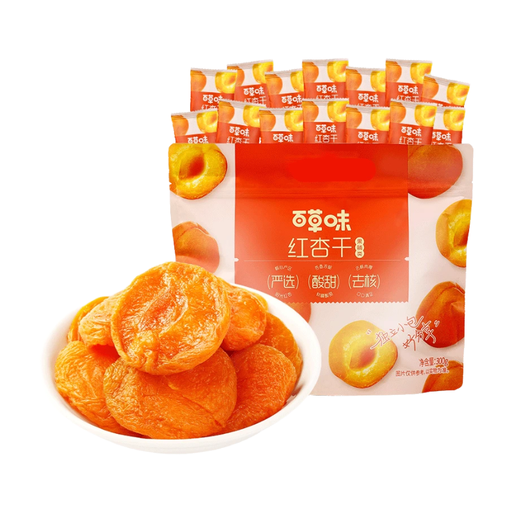 No image available
If you’d like to serve dried red apricots, compare the label value per 100 g and use it to calculate the energy in your buffet portion.
Pack size: 300g.
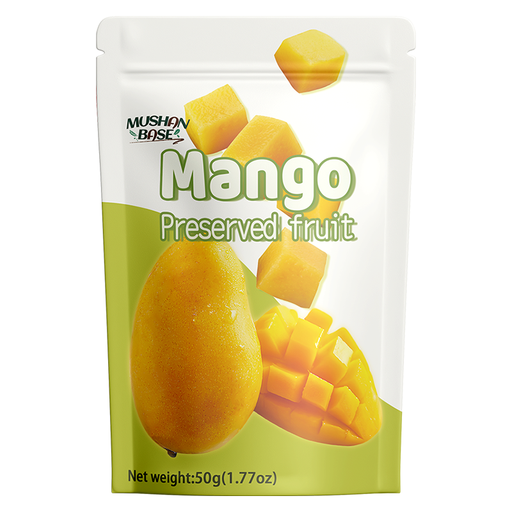 No image available
If you’d like to weigh out a smaller pack of dried mango for your buffet, check the nutritional values for the variant and decide on the portion size separately.
Pack size: 50g.
No. A small portion doesn’t prove that the product meets the requirements for the claim. The European Commission sets a maximum of 40 kcal (170 kJ) per 100 g for the ‘low energy’ claim on solid foods. Describe the portion and its nutritional value separately.
No. The Netherlands Nutrition Centre lists 5 g of sugars in an average 9 g dried apricot. Check the ingredients list for added sugar and the nutrition table for the total amount of sugars.
According to the general values from the Netherlands Nutrition Centre, two average dried apricots weigh 18 g in total and provide 52 kcal. This is an example calculation, not a value that applies to every pack. The World Cancer Research Fund recommends eating no more than 20 g of dried fruit a day; include any dried fruit you’ve already eaten in that total.
Ask which ingredients a guest needs to avoid and check the label on the exact variant. The Netherlands Food and Consumer Product Safety Authority says allergen information for prepacked products is shown on the label; keep the pack available at the buffet.
No. Don’t use one general storage period for all types. The Netherlands Nutrition Centre says opened dried mixed fruit can be kept in a kitchen cupboard for 6–9 months. Don’t automatically apply this to other variants, and follow the storage advice on the pack.