
Party hosts who want to serve less fat
You’ll want to check the fat content of the exact product variant and avoid confusing ‘low fat’ with ‘reduced fat’. The European Commission sets out the conditions for nutrition claims.


First compare dried fruit’s nutritional values per 100 g, then consider the portion you’ll serve at the birthday party. For solid foods, the European Commission sets a maximum of 3 g of fat per 100 g for the ‘low fat’ claim. ‘Reduced fat’ refers to a comparison with a similar product, so the two claims don’t mean the same thing.
You’ll want to check the fat content of the exact product variant and avoid confusing ‘low fat’ with ‘reduced fat’. The European Commission sets out the conditions for nutrition claims.
As well as fat, you’ll want to consider energy, sugars and how much you’ll actually serve. The Netherlands Nutrition Centre recommends comparing products per 100 g.
If a guest has a relevant allergy or sensitivity to sulphites, take the ingredients and allergen information on the exact pack into account. The Netherlands Food and Consumer Product Safety Authority explains allergen information for prepacked products; the Dutch Food Allergy Foundation highlights sulphites as something to watch out for.
First compare the nutritional values per 100 g, then consider the portion size, and finally check that the ingredients suit your guests and the amount you need.
The percentages below show how consumers choosing dried fruit for a birthday party are divided by their main purchasing priority in the stated shopping context.
| What to consider | What should you check? | Who is this important for? |
|---|---|---|
| Fat content and claims | Compare the fat per 100 g in similar product variants. Consider a reduced-fat claim separately from the amount of fat. | If fat content is your main consideration for the snack table, compare the exact product variants. Around 36% of consumers put fat first when choosing what to buy. |
| Portion size, energy and sugars | Compare nutritional values per 100 g, then decide how much to serve. Distinguish total sugars from added sugar. | If you want to work out how much to serve, look beyond fat alone. Around 29% of consumers prioritise portion size and energy. |
| Ingredients for your guests | Check the ingredients and allergen information on the exact pack. If someone is sensitive to sulphites, check for those too. | If a guest has a known dietary restriction, check the ingredients of each product variant separately. Around 21% of consumers prioritise ingredients based on their guests’ needs. |
| Quantity and leftovers | Check the net weight and storage instructions for the specific product. Match what you buy to the amount you plan to serve. | If you want to plan how much to buy for the party and allow for any leftovers, compare pack sizes. Around 14% of consumers put quantity at the top of their list. |
Nutritional values don’t tell you everything about the portion you serve. The Netherlands Nutrition Centre lists 0 g of fat, 26 kcal and 5 g of sugars for one generic 9 g dried apricot. This example is not nutritional information for a specific supermarket product.
Compare energy and sugars as well as fat, then decide how much you want to serve.
Lidl says that its Alesto mango strips contain no added sugars, but do contain naturally occurring sugars. These statements don’t mean the same thing.
Check the ingredients and nutrition table; don’t treat one claim as proof of the other.
The ingredients and allergen information apply to the exact product variant. Sulphites may be used as a preservative in dried fruit.
Keep the packaging handy when serving, and check each product variant separately if a guest has a known dietary restriction.
The store’s website lists AH Soaked Dried Apricots as a product.
The store’s website lists sultanas in various pack sizes, as well as soaked apricots.
Lidl describes Alesto as a range that includes dried fruit and party snacks.
The store’s website lists Trader Joe’s sun-dried apricots (250 g) and raisins (500 g).
PLUS lists dried apricots in a 375 g stand-up pouch and has a range of dried tropical fruits.
Dirk lists 1 de Beste Apricots in a 375 g pack.
These Joybuy products are general dried-fruit options for a birthday snack. The product information doesn’t confirm a low-fat or reduced-fat claim for every specific variant, so check the current nutrition table on the packaging.
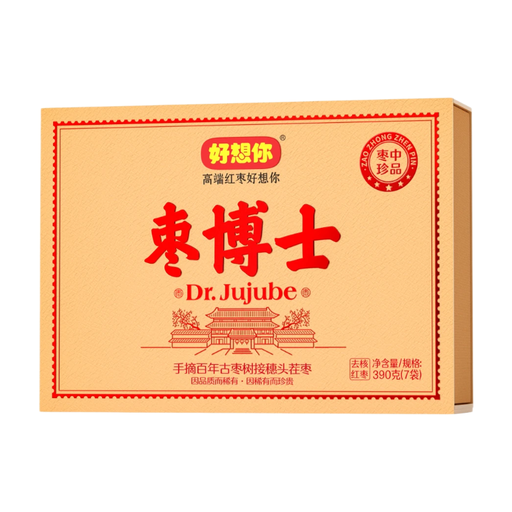 No image available
An option if you’re looking for pitted jujubes that are ready to serve. The product name lists a 390 g pack.
 No image available
The product description says these dates are ready to eat. The product name lists a 908 g pack, which is worth considering if you’re planning a larger quantity.
 No image available
Another date option to consider if you’re looking for fruit that’s ready to serve. The product name lists the size as M and the pack weight as 908 g.
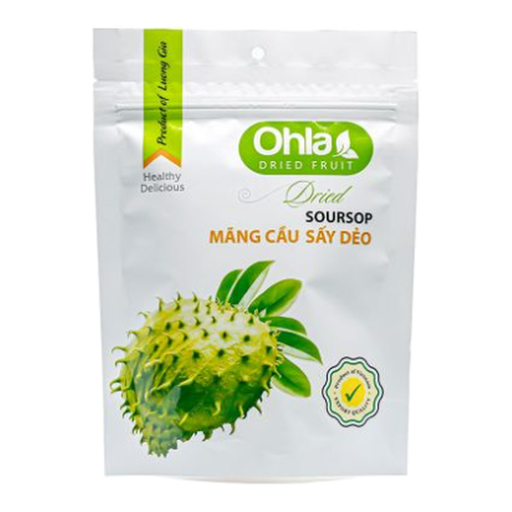 No image available
Another type of dried fruit for anyone who’d like to serve soursop on the snack table; the product name lists 180 g. The product information lists sodium metabisulphite (INS 223), so check the packaging if a guest is sensitive to sulphites.
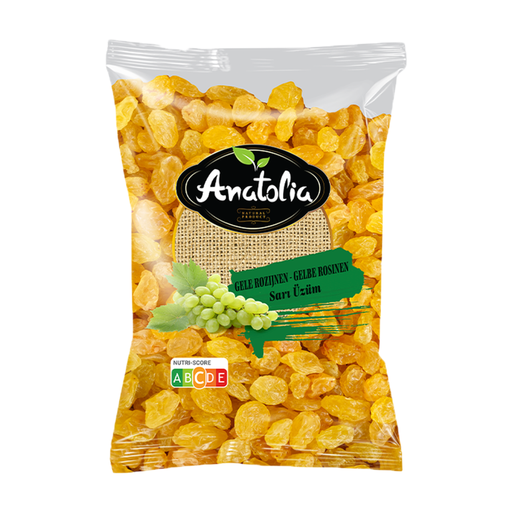 No image available
An option if you’re looking for raisins that the product description says can be eaten as a snack straight from the pack. The product name lists a 500 g pack.
‘Low fat’ refers to the amount of fat per 100 g; ‘reduced fat’ means the product is compared with a similar one. For solid foods, the European Commission sets a maximum of 3 g of fat per 100 g for the ‘low fat’ claim. If you see a comparative claim, check what it’s being compared with.
No. First compare products per 100 g, then decide how much to serve. The Netherlands Nutrition Centre points out that manufacturers set their own portion sizes, which can make comparisons per stated portion confusing.
Check the ingredients and allergen information on the exact pack. Sulphites may be used as a preservative in dried fruit; the Dutch Food Allergy Foundation lists E220–E228. Don’t use the fat content to judge whether the product is suitable for that guest.
Not necessarily. Jumbo warns that, despite checks, a stone or part of one may remain in its Soaked Apricots 250 g. Bear this warning in mind when serving this specific product.
Follow the storage instructions on the packaging for the exact product variant. The Netherlands Nutrition Centre provides product-specific advice; don’t automatically apply guidance for one type to other dried or soaked products.