Who is this relevant to?

People who exercise and have specific dietary needs

You want to avoid a particular ingredient, so you check the ingredients, the specific dietary claim and the warnings on the exact variant. Lactose intolerance, milk allergy and sulphite sensitivity each need to be checked separately.

People who eat shortly before exercising

You’re looking for a small snack before your workout and want to consider when you eat it and what you tolerate well. The words ‘pre-workout’ alone don’t tell you whether a portion will suit you.

Portion-conscious snack shoppers

You want to distinguish added sugar from sugars naturally present in fruit and weigh out a suitable portion for yourself. To do this, compare the ingredients and nutritional information on the same basis.

What should you look for when choosing?

First decide which ingredient you need to avoid; then consider the portion size and when you’ll be exercising.

What to consider What to look for Who is this most important for?
The ingredient you need to avoid Check the ingredients, the specific dietary claim and the warnings on the exact variant. If I need to avoid gluten, lactose, sulphites or another allergen, I want to check the information on that exact pack. Around 36% of consumers give specific dietary safety top priority.
When you eat Consider how long you have until your workout, your portion size and what you tolerate well. Just before my workout, I prefer to choose a small amount that I know I tolerate well. Around 29% of consumers give timing and tolerance top priority.
Sugar and portion size Read the ingredients list alongside the nutritional information; compare per 100 grams, then work out the amount for your own portion. If I want to assess added sugar, I also consider the fruit sugars present and how much I eat. Around 21% of consumers prioritise their choice of sugar and portion size.
Taking it with you and storing it Check the net weight, portion information and storage instructions on the pack. For a snack on the go, I want to be able to weigh out portions myself and store the pack according to the label. Around 14% of consumers give portability and stock management top priority.

Common mistakes when choosing

  • Assuming ‘free from’ means free from all allergens

    A gluten-free or lactose-free claim for AH Rozijnen zongedroogd doesn’t mean that the variant is free from every other allergen. Lactose intolerance is also different from milk allergy, as Voedingscentrum explains.

    Be clear about which ingredient you need to avoid, then check the ingredients and warnings on the exact pack.

  • Assuming vegan or no added sugar means sulphite-free

    PLUS Gedroogde abrikozen is labelled vegan and contains 0 grams of added sugars per 100 grams, but it also contains E220/sulphites.

    Check animal-derived ingredients, sugar information and sulphites separately; one claim doesn’t replace the need to check another.

  • Choosing a large portion because it’s fruit

    Voedingscentrum advises against eating a large portion of foods high in fat, protein or fibre shortly before exercise.

    Choose the amount and timing to suit your workout and what you tolerate well. Don’t treat a whole bag as one snack portion.

  • Relying on an online ingredients list as a permanent label

    The ingredients and allergen information need to match the exact variant you buy.

    Even if you’re buying it again, check the pack of the product you receive.

Brands to compare by variant

Albert Heijn

AH Rozijnen zongedroogd 750 g may be relevant if you’re specifically looking for gluten-free or lactose-free options.

  • For this variant, Albert Heijn lists raisins and sunflower oil as ingredients, a 25-gram portion, and gluten-free and lactose-free claims.
  • This product information is not a general guarantee about other allergens or other AH products.

Jumbo

The product information for the apricots reviewed makes it important to check for sulphites and warnings about other allergens on each variant.

  • For Gedroogde Abrikozen Zonder Pit 250 g, Jumbo lists sulphites and says the product may contain nuts, peanuts and sesame.
  • The organic apricot variant lists only apricot as an ingredient, but it is no longer in the online range and carries the same warning about nuts, peanuts and sesame. This is not proof that it is analytically sulphite-free.

Lidl

Lidl’s Alesto range includes dried fruit, including apricots.

  • The brand information confirms that dried fruit is part of the range.
  • A description of the range doesn’t tell you whether a specific variant suits your dietary needs; check the product label.

ALDI

ALDI’s product information lists Trader Joe’s raisins, 500 g, and sun-dried apricots, 250 g, as examples of dried fruit.

  • The retailer’s information confirms the product type and pack size for these products.
  • The product details alone don’t confirm suitability for a specific allergy or dietary claim.

PLUS

PLUS Gedroogde abrikozen 375 g may be relevant if you want to assess the nutritional information and ingredients together.

  • PLUS lists this variant as vegan and with 0 grams of added sugars per 100 grams.
  • The ingredients list also includes E220/sulphites, so vegan and no added sugar don’t mean sulphite-free.

Dirk

Dirk lists Abrikozen zonder pit, 200 g, in its dried fruit and nuts category.

  • The retailer’s information confirms the product category and pack size.
  • ‘Pitted’ describes the product, not whether it contains allergens.

Joybuy products

This selection includes products featuring dried fruit and fruit snacks. For each variant, check whether the ingredients, allergen information and portion size suit your diet and when you’ll be exercising.
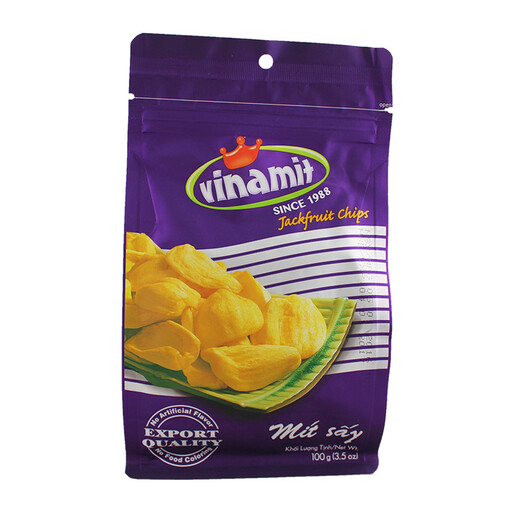
Vinamit jackfruit snack pieces, 100 g

Vinamit Jackfruit Snack In Pieces, 100 g

The product title describes pieces of jackfruit as a snack; check the ingredients and allergen information on the exact pack to see whether it suits your dietary needs.

View at Joybuy
PHILIPPINE BRAND dried mango, 100 g

PHILIPPINE BRAND Dried Mango, 100 g

The product information lists sulphites. Avoid this variant if you need to avoid sulphites, and check the allergen information on the pack.

View at Joybuy

OHLA dried guava, 180 g

OHLA Dried Guava, 180 g

The product information lists sugar and a preservative; check the ingredients list if you want to avoid these ingredients.

View at Joybuy
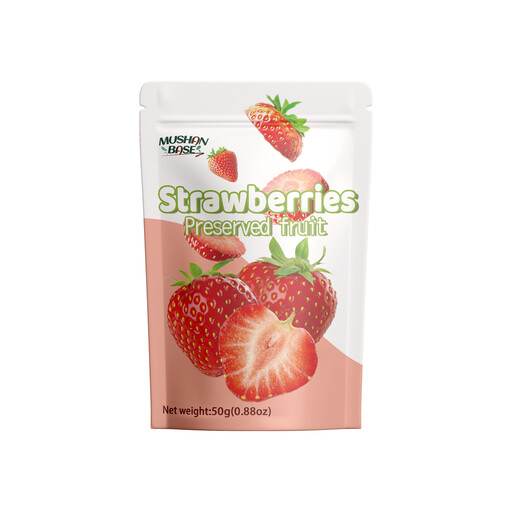
MUSHAN BASE dried strawberry slices, 50 g

MUSHAN BASE Dried Strawberry Slices, 50 g

The product information lists dried strawberries and sugar; check the ingredients list if you want to avoid added sugar.

View at Joybuy

Frequently asked questions

Does lactose-free mean suitable for someone with a milk allergy?

No. Lactose intolerance is a problem with digesting milk sugar; a milk allergy is an immune system reaction to milk proteins. Voedingscentrum makes this distinction too. So don’t treat a lactose-free claim as proof that a product is suitable for someone with a milk allergy.

How much dried fruit can I eat before exercise?

There’s no one-size-fits-all portion; consider when you’re eating and what you tolerate well. Voedingscentrum recommends having a meal around 2 to 3 hours before exercise and, if you eat shortly beforehand, choosing a small amount that isn’t high in fat, protein or fibre. The 25-gram portion on the AH pack is label information, not personalised sports nutrition advice.

What does ‘may contain’ mean on a Dutch label?

It’s a warning that an allergen may be present unintentionally. According to NVWA, rules for these warnings have applied since 1 January 2026. The absence of a warning isn’t a personal guarantee that a product is completely free from a particular allergen.

Do vegan or no-added-sugar claims mean apricots are sulphite-free?

No. For the apricots reviewed, PLUS lists both vegan and 0 grams of added sugars per 100 grams, as well as E220/sulphites. So check the ingredients list for sulphites if you need to avoid them.

Is ‘gluten-free’ just a marketing term?

No. The European Commission explains that Regulation (EU) No 828/2014 sets requirements for the claims ‘gluten-free’ and ‘very low gluten’. Check the claim on the specific variant you’re buying, not just the product category.
