What should you look for when choosing?
First compare the nutrition information per 100 g, then calculate it for the same weighed portion. Next, consider when you’ll eat it, the ingredients and how you plan to store the product.
Rehydrated dried apricots
A good fit if: you want to weigh out the product reviewed, which has the lowest energy value per 100 g on the label among the apricots and raisins listed.
Bear in mind: the AH product contains sulphites and must be refrigerated after opening at a maximum of 7°C.
Dried apricots without rehydration
A good fit if: you want to weigh out apricots and compare the nutrition information for different products.
Bear in mind: the Jumbo and PLUS labels show different energy and carbohydrate values; both products list sulphites.
Raisins
A good fit if: carbohydrates in your weighed snack matter more to you than keeping calories as low as possible.
Bear in mind: the AH Raisins reviewed contain more energy per 100 g than the apricot products listed, and also state the total sugars.
| What to consider |
What should you check? |
Who should pay particular attention? |
| Calories per portion |
Compare kcal per 100 g and calculate the value for the same weighed portion. The European Commission sets a maximum of 40 kcal (170 kJ) per 100 g for a ‘low energy’ claim on solid foods. |
If I want my snack to fit within a calorie plan, I weigh the portion and use the label to calculate its value. Around 36% of consumers prioritise calories per snack. |
| Carbohydrates and timing |
Check the carbohydrates and fibre in your weighed portion, and consider how long it is until your workout. The Netherlands Nutrition Centre recommends eating a meal around 2–3 hours before exercising. |
When I want to eat something before a workout, I pay attention to the portion and timing. Around 29% of consumers prioritise workout energy and timing. |
| Ingredients and allergens |
Read the ingredients list, total sugars and allergen warnings on the exact packaging. Don’t rely on terms such as ‘no added sugar’ alone. |
If I need to check ingredients or a known sensitivity, I check the packaging before considering other preferences. Around 21% of consumers prioritise ingredients and sensitivities. |
| Portioning and storage |
Check the pack weight and storage instructions after opening; these can vary between products. The weight of a bag is not a recommended snack portion. |
If I want to plan several small portions, I consider how I can weigh out and store the product. Around 14% of consumers prioritise practical use. |
Brands to consider
The product ranges listed provide examples of information to compare on labels and product pages. This overview says nothing about availability on Joybuy or a brand’s full range.
Albert Heijn
Albert Heijn’s product information describes raisins and rehydrated dried apricots as specific options that you can weigh out yourself.
- The product pages provide ingredients and nutrition information for the products listed.
- The rehydrated apricots must be refrigerated after opening; the raisins contain total sugars, even though they state 0 g added sugar.
Jumbo
Jumbo Dried Pitted Apricots 250 g lists nutrition information per 100 g and per 20 g.
- The two serving sizes make it possible to compare values for a portion with those per 100 g.
- This product lists sulphites and possible traces of nuts, peanuts and sesame; this information doesn’t automatically apply to other products.
Lidl
Lidl Netherlands lists Alesto Dried Mango as a dried fruit option.
- The product page states that the pack weighs 125 g.
- The product name and fruit flavour alone don’t tell you how many calories it contains or whether it suits a particular workout.
ALDI
ALDI lists TRADER JOE’S Sun-Dried Apricots 250 g.
- The product page describes these dried apricots as soft.
- Softness and the description ‘sun-dried’ don’t tell you about calories, personal tolerance or allergens.
PLUS
PLUS lists dried apricots in a stand-up pouch weighing 375 g.
- The product information lists 254 kcal per 100 g, 0 g added sugars and sulphites.
- The pack contents aren’t a recommended portion; assess the amount and storage instructions separately.
Dirk
Dirk lists 200 g of pitted apricots in its dried fruit and nuts category.
- The product page confirms the type of fruit and the pack weight.
- Dirk doesn’t state whether delivery is available; the product listing alone says nothing about nutrition information or delivery options.
Joybuy products for fruity snacks
Joybuy products for fruity snacks with nutrition information per 100 g that you can use to assess your own portion.
 No image available
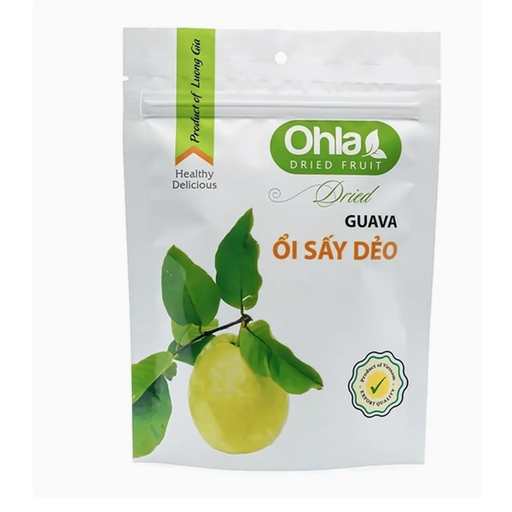
OHLA Dried Guava 180 g
If you’re looking for guava that’s ready to eat, the product information says it can be enjoyed as a snack without preparation.
The product information lists 308 kcal and 80,3 g of carbohydrates per 100 g, and 95% guava. The ingredients list also includes sugar and a preservative.
View on Joybuy
 No image available
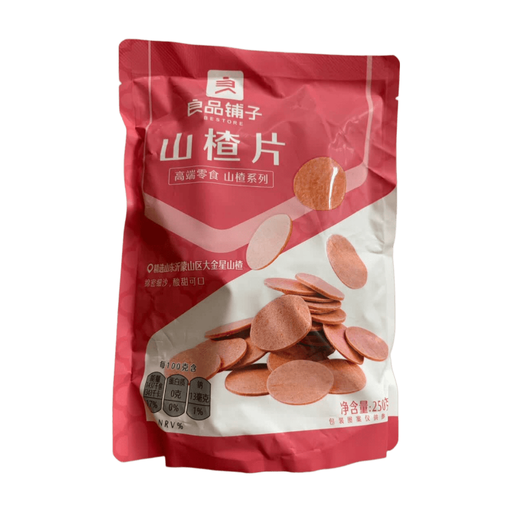
Bestore Hawthorn Flakes 250 g, 19–21 sachets
If you’re looking for a snack that the product information says is ready to eat, this pack is described as containing 19–21 individual sachets.
The label lists 343 kcal and 78 g of carbohydrates per 100 g. The ingredients list includes sugar and the colour E120; the product warning mentions possible adverse effects on children’s activity and attention.
View on Joybuy
 No image available
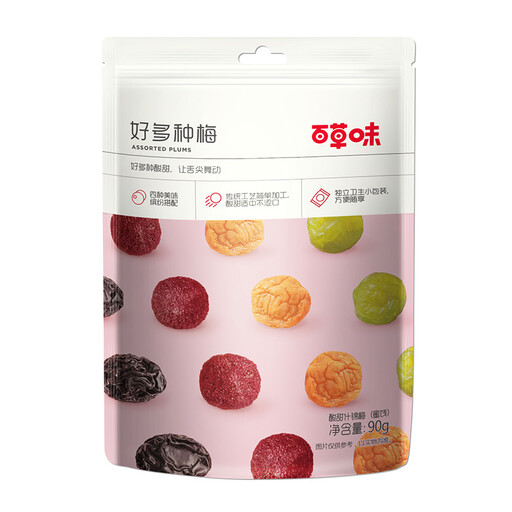
Be&Cheery Dried Plums 90 g
If you’re looking for a plum snack that the product information says is ready to eat, no preparation is needed.
The label lists 68 kcal and 16,5 g of carbohydrates per 100 g. The ingredients list includes sugar and sweeteners; the label states 3,0 g of salt per 100 g.
View on Joybuy
 No image available
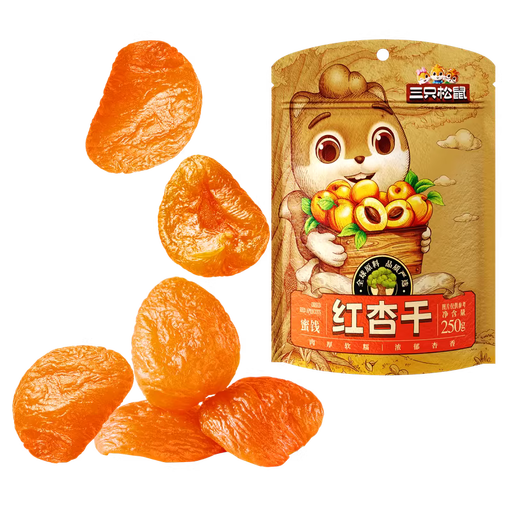
Three Squirrels Dried Red Apricots 250 g
If you’re looking for apricots that the product information says are ready to eat straight from the pack, no preparation is needed.
The label lists 311 kcal and 75,5 g of carbohydrates per 100 g. The ingredients list includes sugar and maltose syrup; the product contains sulphites.
View on Joybuy
 No image available
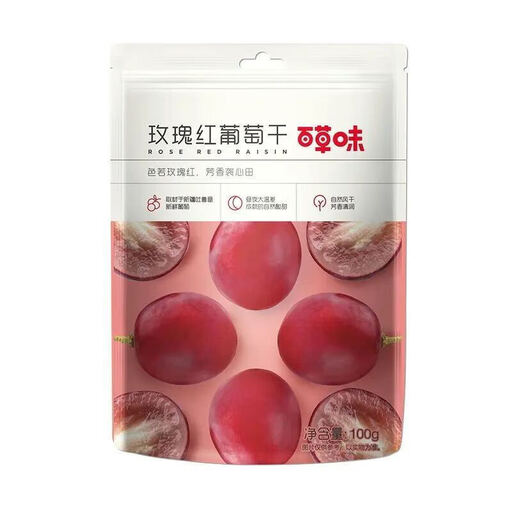
Be&Cheery Red Raisins 100 g
If you’re looking for raisins for a snack that needs no preparation, the product information says they’re ready to eat.
The label lists 330 kcal and 78 g of carbohydrates per 100 g, and 30 g of sugars per 100 g.
View on Joybuy
Frequently asked questions
What does ‘low calorie’ mean for a product?
For solid foods, the European Commission sets a maximum of 40 kcal (170 kJ) per 100 g for a claim meaning ‘low energy’. This requirement is explained in Regulation (EC) No 1924/2006; EUR-Lex lists the consolidated version dated 13 December 2014. The four supermarket products in this article with complete nutrition information contain 182–344 kcal per 100 g. A small portion doesn’t change the value per 100 g.
Is 20 g the recommended portion of dried fruit before exercise?
No. Here, 20 g is simply a standard portion for calculating and comparing nutrition information on the same basis. The Netherlands Nutrition Centre advises eating no more than a handful of dried fruit with no added sugar because of its sugar content, but doesn’t give a universal portion of dried fruit for every workout.
Should you eat extra dried fruit before every workout?
No, that isn’t automatically necessary. The Netherlands Nutrition Centre recommends having a proper meal around 2–3 hours before exercising and says a small snack beforehand may help prevent hunger. What works for you depends, among other things, on what you’ve already eaten and when, and on your workout; a product label can’t determine your personal energy needs.
What should you check if you have a known sensitivity?
Check the ingredients and allergen information on the exact packaging before choosing the product. The NVWA states that allergen information for prepacked products must appear on the label. The Jumbo apricots listed state that they contain sulphites and may contain traces of nuts, peanuts and sesame; this product information doesn’t automatically apply to other products.
How should you store opened rehydrated apricots?
Follow the instructions on the packaging for the exact product. For AH Rehydrated Dried Apricots, Albert Heijn states that they must be refrigerated after opening at a maximum of 7°C and have a limited shelf life. Don’t automatically apply this instruction to dry raisins or other apricots.


