What should you look for when choosing?
Choose based on when you’ll eat it and how much you’ll have, and assess an absolute fat value separately from a claim about fat reduction.
| What to consider |
What to look for |
Who is this important for? |
| Digestive comfort and timing |
Consider when you eat it, the portion size and the fibre content. AH Raisins contain 3.5 g of fibre per 100 g; AH Soaked Dried Apricots contain 6.3 g per 100 g, according to Albert Heijn product information. |
If I want a small snack shortly before exercise, I pay attention to portion size and fibre. Around 36% of consumers prioritise digestive comfort and timing. |
| Low fat or fat reduction |
For solid foods, the European Commission defines ‘low fat’ as no more than 3 g of fat per 100 g. The Albert Heijn and Jumbo raisins included in this comparison list 0.5 g of fat per 100 g, while PLUS lists 0.8 g; these values do not show a comparison with a reference product. |
I want to know whether ‘low fat’ means something different from less fat than a similar product. Around 28% of consumers prioritise fat content and understanding claims. |
| Energy and portion size |
Weigh the amount you choose and compare nutritional values on the same basis. Albert Heijn lists 344 kcal and 80 g of carbohydrates per 100 g for AH Raisins; Jumbo lists 326 kcal and 75.5 g of carbohydrates per 100 g for its Sun-Dried Sultana Raisins. |
I want to measure my portion and compare nutritional values for the same amount. Around 22% of consumers prioritise energy and portion control. |
| Storage and allergens |
Check the instructions for after opening, along with the ingredients and allergen information on the exact pack. AH Soaked Dried Apricots contain sulphites and should be refrigerated at a maximum of 7 °C after opening; the NVWA explains allergen labelling. |
If I’m taking the snack with me, I want to know how to store it after opening and which allergens it contains. Around 14% of consumers prioritise portability and storage. |
Joybuy dried fruit picks
These picks include dried fruit and fruit products described as snacks. Compare the nutritional information and portion size for the exact variant, and follow the storage instructions on the packaging.
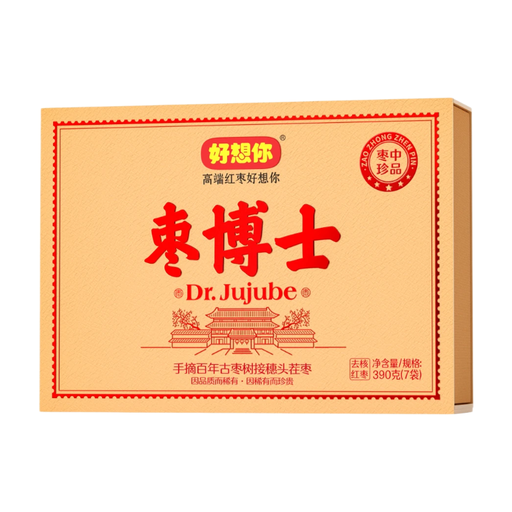 No image available
Haoxiangni Dr.Jujube (Premium Gold-Grade Pitted) 390g
The product information describes these pitted dates as a ready-to-eat snack. Check the portion size and nutritional information on the exact pack before eating them before exercise.
Pack size: 390 g.
View at Joybuy
 No image available
OHLA Dried Guava 180g
The product information describes the dried guava as a snack and mentions taking it on the go. Check the portion size and nutritional information for when you plan to eat it.
Pack size: 180 g. Reseal the pack securely after opening, as advised in the product information.
View at Joybuy
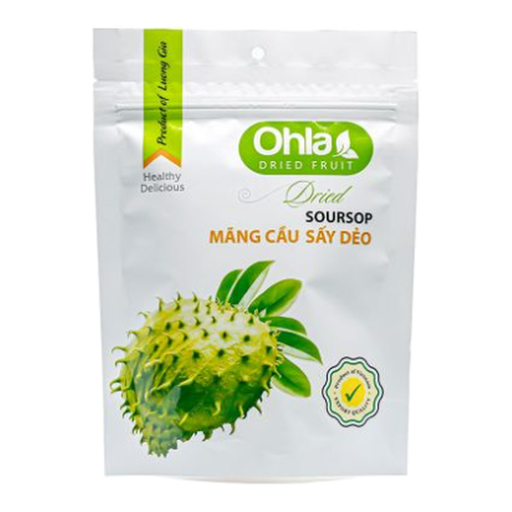 No image available
OHLA Dried Soursop 180g
The product information describes the dried soursop as a snack. Check the nutritional information for this variant and choose a portion to suit when you plan to eat it.
Pack size: 180 g. The product information advises sealing the pack securely or refrigerating it after opening.
View at Joybuy
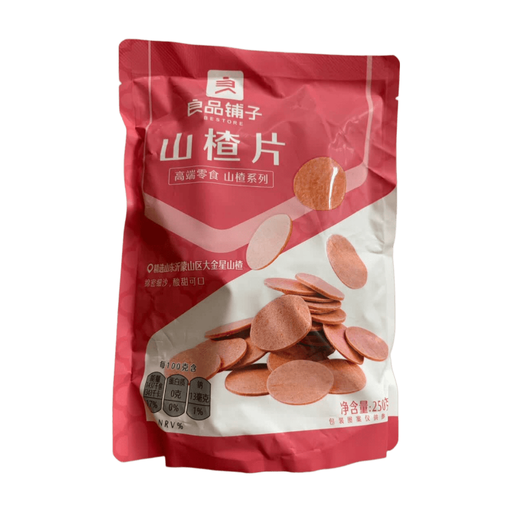 No image available
Bestore Hawthorn Flakes 250g (Contains 19-21 Small Bags)
The product title mentions individual bags, which may be useful if you want to take small portions with you. The product description includes a warning about the colour additive E120 (carmine) and children’s activity and attention; check the packaging if this is relevant to your choice.
Pack size: 250 g; according to the title, the pack contains 19–21 small bags.
View at Joybuy
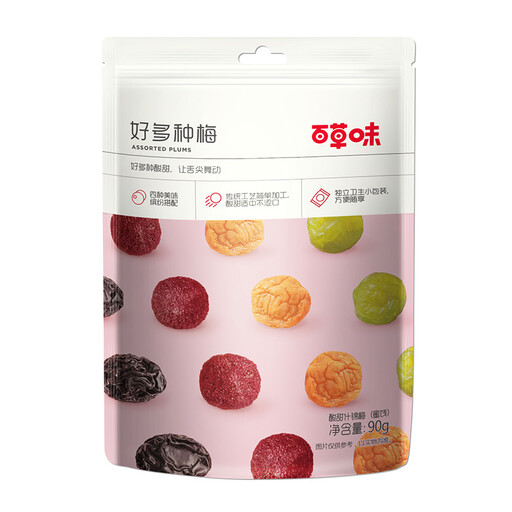 No image available
Be&Cheery Various Dried Plum 90g
The product information describes the dried plums as a ready-to-eat snack to take with you. Compare the portion size and nutritional information with when you plan to eat them.
Pack size: 90 g.
View at Joybuy
Frequently asked questions
How long before exercise can you eat something?
The Netherlands Nutrition Centre recommends having a meal around 2 to 3 hours before exercising. If you eat just beforehand, keep the portion small and avoid foods high in fat, protein or fibre. This is general dietary advice, not a timing that is guaranteed to suit everyone.
Is the portion on a product page a recommended pre-workout portion?
No, a stated portion is not automatically a personal sports nutrition recommendation. Albert Heijn lists 50 g as a portion for the raisins included in this comparison, while Jumbo also gives values per 15 g; don’t compare those amounts directly. The Netherlands Nutrition Centre recommends a maximum of 20 g of dried fruit per day as general dietary advice, not as a pre-workout portion.
Does all dried fruit need to be refrigerated after opening?
No, follow the instructions for the exact variant. Albert Heijn advises refrigerating its soaked dried apricots at a maximum of 7 °C after opening. The AH and PLUS raisins included in this comparison should be stored in a cool, dry, dark place.
What should you look for if sulphites are a problem for you?
Check the ingredients and allergen information on the exact pack. Albert Heijn lists sulphites in its soaked dried apricots. The NVWA explains that allergens must be declared on the label, so don’t judge a variant by the type of fruit alone.
Does ‘low fat’ mean the same as reduced fat?
No. For solid foods, the European Commission defines ‘low fat’ as no more than 3 g of fat per 100 g; this is an absolute threshold. A claim about fat reduction is based on a comparison, so you can’t infer one from the fat content of a single product alone.


