What should you look for when buying?
First, consider whether the form is right for your baby’s eating skills and when you plan to serve the fruit. Then look separately at fat, sugars, portion size and storage instructions.
| What to consider |
What to look for |
Who should give this more weight? |
| Form and eating skills |
Consider whether your child can sit upright and swallow and chew well; look out for whole fruit and any stones. |
If you’re mainly looking for ways to serve the fruit appropriately, form comes first; around 36% of consumers put safe serving form at the top of their buying priorities. |
| What a fat claim means |
Compare fat and sugars separately per 100 g. Don’t infer a comparative claim from a low fat figure alone. |
If you want to understand how a fat claim affects your choice for baby-led weaning, look beyond one nutrient; around 29% of consumers put the meaning of fat claims first. |
| Sugars and portion size |
Check the sugars per 100 g and adjust the amount offered to the occasion; don’t automatically use a general portion as a baby portion. |
If you’re mainly weighing up sugars, quantity and when to serve the fruit, these details should guide your choice; around 21% of consumers give them top priority. |
| Buying and storage |
Check the product form, pack size and storage instructions on the label of the variety you choose. |
If you’ve already considered nutritional and usage requirements, you may mainly want to focus on practicalities such as buying and storage; around 14% of consumers give these the most attention. |
Dried fruit at Joybuy
This selection includes dried soursop, dates, raisins and prunes, so you can compare product forms and available label information. It doesn’t confirm suitability for babies or a reduced-fat claim.
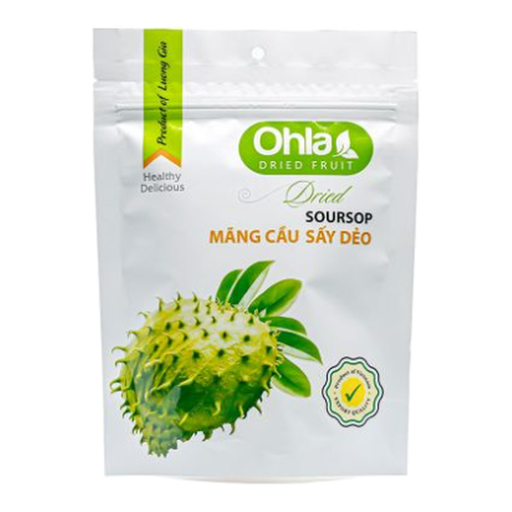 Image unavailable
OHLA dried soursop 180g
Worth considering if you want to assess dried soursop using its nutrition information and ingredients; these details don’t determine which form is suitable for a baby.
The product description lists 2.21 g of fat per 100 g and includes white sugar and glucose among the ingredients.
View at Joybuy
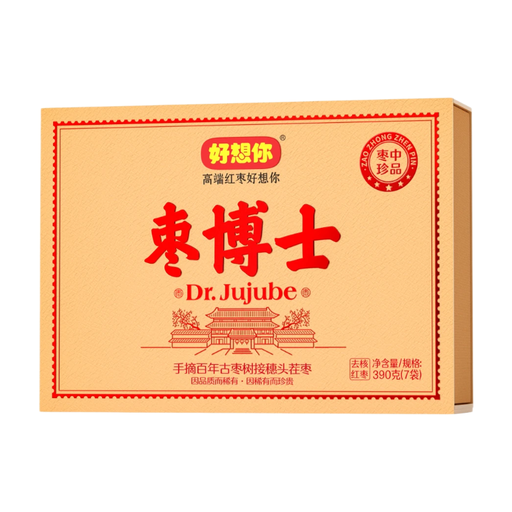 Image unavailable
Haoxiangni Dr.Jujube Premium Gold-Grade Pitted 390g
A good option if you want to compare red dates for cooking; pitted doesn’t mean the fruit has already been cut into an appropriate bite-sized shape.
The product information lists 0 g of fat per 100 g, names red dates as an ingredient and describes uses including soups and baking. UK government guidance advises against whole dried fruit for babies under one. This is additional safety guidance, not a Dutch legal age limit.
View at Joybuy
 Image unavailable
Zohra Medjool dates (M) 908g
Worth considering if you’re looking for pitted Medjool dates for cooking or baking; pitted isn’t the same as finely chopped.
The product description lists 0.5 g of fat per 100 g and says the dates are pitted. According to additional UK safety guidance, whole dried fruit isn’t intended for babies under one.
View at Joybuy
 Image unavailable
De Kleine Keuken Organic raisins 12M+ 140g
A good option if you want to look at the packaging and product information for raisins; the product title says 12M+, but this doesn’t replace an assessment of the eating form.
The description lists ten 14 g boxes, recommends supervision while eating and says the product isn’t suitable for anyone with swallowing difficulties. UK government guidance advises against whole raisins for babies under one.
View at Joybuy
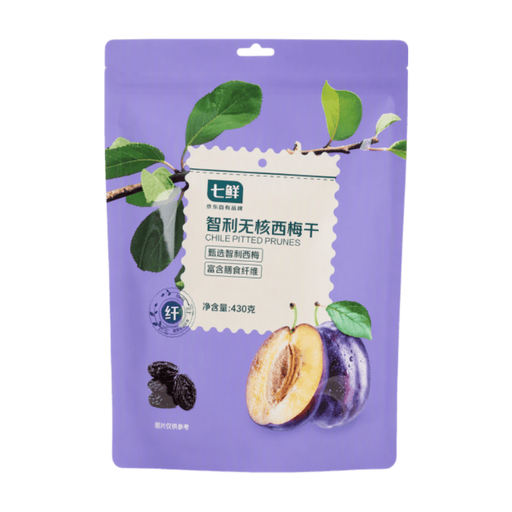 Image unavailable
7FRESH pitted prunes 430g
Worth considering if you want to compare pitted prunes for use in yoghurt, porridge or baking, for example; also check the form in which you plan to serve them.
The product description lists 0.0 g of fat per 100 g and describes the prunes as soft and pitted. Pitted doesn’t mean cut up; UK safety guidance advises against whole dried fruit for babies under one.
View at Joybuy
Frequently asked questions
Is low-fat food automatically a suitable choice for my baby?
No. Low-fat describes the product’s composition, not a safe way to serve it. The Netherlands Nutrition Centre says that being able to sit upright and swallow and chew well are prerequisites for larger pieces.
Can I give whole raisins to a baby under one?
The UK government guidance cited advises against whole raisins and other whole dried fruit for babies under one. The Department for Education suggests chopped raisins served as part of a meal as an alternative; this is additional safety guidance, not a Dutch legal age limit.
Is dried fruit suitable to offer regularly between meals?
The Netherlands Nutrition Centre recommends small portions and prefers fresh fruit. The NHS advises giving toddlers dried fruit with meals rather than between them to protect their teeth; this advice for toddlers isn’t a portion guide for babies.
How should I store a soaked variety after opening?
Follow the label for the specific variety. Once opened, AH Soaked Dried Apricots should be kept chilled at a maximum of 7 °C and have a limited shelf life; this instruction doesn’t automatically apply to all dried fruit.
What does ‘low fat’ mean under the EU claim threshold?
For solid foods, the European Commission sets a maximum of 3 g of fat per 100 g for a ‘low fat’ claim. The Netherlands Food and Consumer Product Safety Authority says that nutrition claims in the Netherlands must comply with EU rules. This claim threshold isn’t nutritional advice for babies and doesn’t prove a comparative reduced-fat claim.


