What should you look for when choosing?
Start with the substance someone needs to avoid. Then consider portions and packaging for the picnic; these practical preferences don’t replace checking the ingredients and warnings.
| What to consider |
What should you check? |
Who is this important for? |
| The substance you need to avoid |
Check the ingredients, dietary claims and relevant warnings on the current packaging. |
If I need to account for a specific allergy or gluten-free diet, I check that restriction first. Around 31% of consumers would choose this as their top buying priority. |
| Sulphites |
Look for sulphites, sulphur dioxide and the E220 label. |
If I need to avoid sulphites, I want to be able to assess this separately from other dietary characteristics. Around 25% of consumers would prioritise avoiding sulphites. |
| Added sugar and portion size |
Compare added sugars with total sugars per 100 g and decide on the portion size in advance. |
If I want to avoid added sugar and prepare portions, I check both figures. Around 19% of consumers would make this their top priority; the Netherlands Nutrition Centre recommends eating no more than a handful of dried fruit. |
| Packing separately |
Check whether you can seal the snack separately and serve it with separate cutlery. |
For a picnic with a guest who has a food allergy, I want to keep their suitable snack separate. Around 13% of consumers would see separate transport and serving as their top priority. |
| Suitable quantity |
Compare the net weight with the number of portions you need. |
If I’m packing for a small group, I don’t want to bring more than I need. Around 12% of consumers would choose pack size as their top buying priority. |
Supermarket brands as a reference
These examples show what product information is available for each brand or type of product. A claim made for one product doesn’t guarantee the same for other products from that brand.
Albert Heijn
AH Raisins and AH Organic Raisins are examples with specific dietary claims.
- Albert Heijn labels both products gluten-free and lactose-free; the listed ingredients are raisins and sunflower oil.
- These claims don’t prove that the products are free from all allergens. Lactose-free doesn’t tell you whether milk protein is present.
Jumbo
Jumbo Dried Apricots Without Stones 250 g has product information about ingredients and allergens.
- Jumbo lists sulphites and a warning about nuts, peanuts and sesame for this product.
- This specific product isn’t suitable for anyone avoiding sulphites; the information doesn’t automatically apply to all Jumbo products.
Lidl
Alesto is a Lidl range that includes nuts, dried fruit and party snacks.
- The range offers a starting point for finding dried fruit from the brand.
- The range name isn’t a dietary claim; check the information for the individual product.
ALDI
ALDI lists Trader Joe’s Raisins in a 500 g pack.
- The product page confirms the product name and pack size.
- The product name and pack size don’t show that the product is free from a particular allergen or sulphites.
PLUS
PLUS Dried apricots are listed in a 375 g stand-up pouch.
- PLUS lists 0 g of added sugars per 100 g.
- The product also lists E220/SULPHITES, so no added sugar doesn’t mean sulphite-free.
Dirk
Dirk lists raisins in a 750 g pack.
- The pack size shown can help you decide whether it’s right for the number of portions you need.
- The product name doesn’t provide information about avoiding a specific allergen or sulphites.
Dried fruit on Joybuy
These Joybuy products are dried fruit to take with you or portion out. Always check the current product information before eating, and take account of each guest’s specific dietary restrictions.
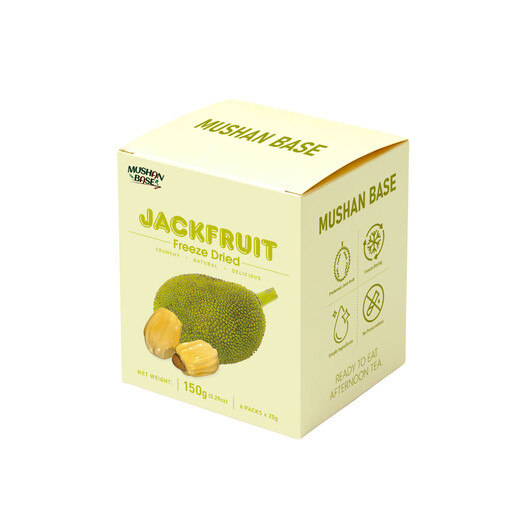 Image unavailable
MUSHAN BASE freeze-dried jackfruit 150 g (25 g × 6)
The product description lists six individual 25 g bags, making it easy to take a portion with you or serve separately.
According to the product description, jackfruit is the only ingredient and the product contains no added sugar. The description also says it doesn’t contain any of the 14 major EU allergens; this isn’t a general guarantee that it’s free from all allergens and doesn’t address possible fruit allergies.
View on Joybuy
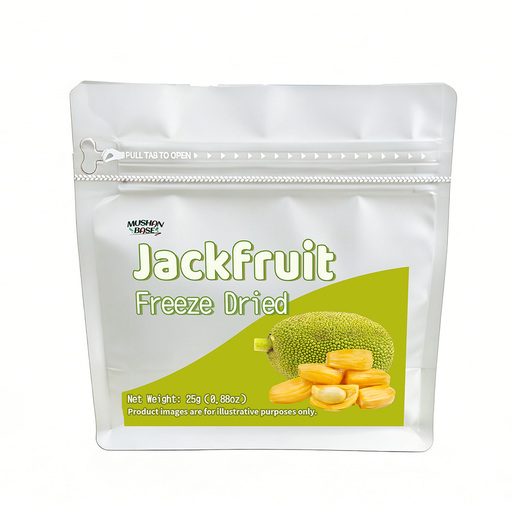 Image unavailable
MUSHAN BASE freeze-dried jackfruit 25 g
The product title lists a 25 g pack, designed as a small portion to take with you.
According to the product description, jackfruit is the only ingredient and the product contains no added sugar. The allergen information in the description isn’t a general guarantee for every allergy; if you have a fruit allergy, consider whether jackfruit is suitable for you.
View on Joybuy
 Image unavailable
Zohra Medjool dates (M) 908 g
The product description suggests sharing them as a snack and lists a 908 g pack; once opened, it recommends storing them in a tightly sealed container.
According to the product description, there are no added ingredients or preservatives. The description lists black dates as the ingredient and says the product doesn’t contain any of the 14 major EU allergens; this isn’t a general guarantee that it’s free from all allergens and doesn’t rule out a reaction to dates.
View on Joybuy
Frequently asked questions
Is ‘gluten-free’ a regulated claim?
Yes, the claim is regulated. The European Commission refers to Implementing Regulation (EU) No 828/2014, which sets out the conditions for the claims ‘gluten-free’ and ‘very low gluten’. A gluten-free claim only answers the question about gluten; it doesn’t automatically address other dietary requirements.
Is lactose-free the same as suitable for a milk allergy?
No. Lactose intolerance is related to milk sugar, while with a cow’s milk allergy, the immune system reacts to milk proteins. If you have a milk allergy, don’t choose a product based solely on a lactose-free claim.
Is a product without the 14 listed allergens always suitable for someone with a fruit allergy?
No, you should also consider the type of fruit itself. Information about the legal list of 14 allergens doesn’t tell you whether a product is suitable for someone with a fruit allergy; discuss whether it’s suitable for you with your healthcare professional.
What do the Dutch rules say about cross-contamination warnings?
The NVWA states that a warning must not be used if the applicable reference values cannot be exceeded. This policy covers the 14 allergens on the EU list and isn’t a general guarantee that a product is free from all allergens. Consider warnings alongside the ingredients information.
How can I minimise cross-contact at a shared picnic?
Pack the suitable snack separately from products containing allergens and give the guest their own clearly identifiable cutlery. Use clean, tightly sealed containers for transport. This helps minimise contact between snacks, but doesn’t replace checking the product.


