
Snack shoppers checking allergens
You’re looking for dried fruit that’s low in fat, but first check that the ingredients and any warnings meet your needs.


First, choose dried fruit whose ingredients and allergen information meet your needs; then compare fat and energy on the same weight basis. AH Soaked Dried Apricots, PLUS Dried Apricots and Jumbo Golden Raisins all list sulphites. Their fat content alone does not show that a product is suitable for your food sensitivity or that it can be proven to be reduced fat.
You’re looking for dried fruit that’s low in fat, but first check that the ingredients and any warnings meet your needs.
You want to know whether a variety lists sulphites, and distinguish unsulphured fruit from a product that has also been assessed for other allergens.
You look beyond the fat per 100 g to consider how much you eat and the energy per portion.
First check that the exact variety meets your needs; then compare fat, energy and portion size.
| What to consider | What should you check? | Who should pay particular attention? |
|---|---|---|
| Allergen information | Read the ingredients and warnings on the exact packaging. The NVWA states that allergen information for prepacked products must appear on the label. | If you need to avoid a particular ingredient, this check matters more than a low fat figure. Around 34% of consumers put suitable allergen information first. |
| Sulphites | Look for sulphites, sulphur dioxide and E220–E228. AH Soaked Dried Apricots, PLUS Dried Apricots and Jumbo Golden Raisins all list sulphites. | If you need to avoid sulphites, check the product information before looking at the nutritional values. Around 26% of consumers give avoiding sulphites the highest priority. |
| Fat content | Compare the value per 100 g and distinguish between an absolute fat content and a reduced-content claim. | If you want to compare the fat content of products that already meet your needs, it’s important to use the same basis of measurement. Around 20% of consumers focus primarily on the absolute fat content. |
| Portion and energy | Compare energy on the same basis, and consider how much you eat separately from the pack weight. For example, Jumbo lists 97 kcal per 30 g portion. | If you want to manage how much you snack on, the size of a bag doesn’t tell you how much you eat at a time. Around 20% of consumers focus primarily on portion size and energy. |
The AH and PLUS apricots reviewed here, and Jumbo’s golden raisins, all list sulphites. Jumbo also states that the product may contain nuts, peanuts, sesame seeds and soya.
Check the ingredients and warnings for the exact variety before comparing fat content.
Jumbo Golden Raisins contain 0.7 g of fat and 324 kcal per 100 g; the stated 30 g portion contains 97 kcal.
Check the energy for the amount you actually plan to eat.
Unsulphured only tells you about sulphites in that specific variety. It says nothing general about other ingredients or possible cross-contamination.
Check all the information on the exact packaging.
According to the product instructions, AH Soaked Dried Apricots should be refrigerated at no more than 7 °C after opening. This instruction doesn’t necessarily apply to other varieties.
Follow the storage instructions on the packaging you bought.
An example from the range: AH Soaked Dried Apricots.
Jumbo sells various types of raisins; the information below is for the 250 g pack of golden raisins.
Lidl offers dried mango strips under the Alesto brand, as well as nuts and other snacks.
ALDI sells a product described as sun-dried apricots under the TRADER JOE'S name, among other items.
The PLUS Dried Apricots discussed here come in a 375 g stand-up pouch.
Dirk lists raisins and several 1 de Beste varieties, including sultanas, golden raisins and apricots.
This selection includes dates, soursop, dried plums and raisins. If you have a food sensitivity, always check the information for the exact variety; the products described differ in their ingredients and stated nutritional values.
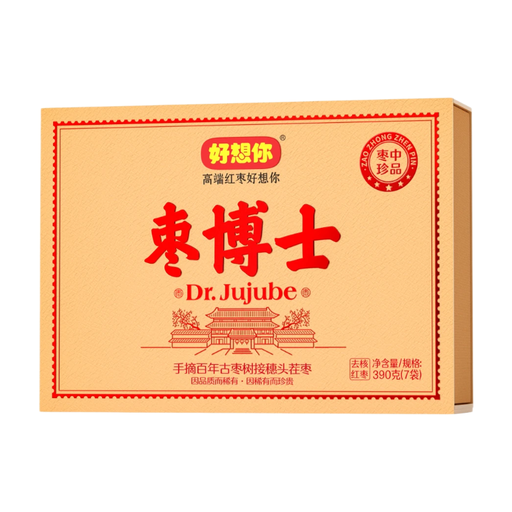 No image available
For anyone looking for pitted dates to eat straight from the pack; the product description says they’re ready to eat.
Ingredients: 100% red dates. Fat: 0.5 g per 100 g.
 No image available
For anyone looking for dates that, according to the product description, are suitable as a snack and for cooking or baking.
The ingredients are listed as dates, and the description says they’re pitted. The stated fat value doesn’t specify a weight basis.
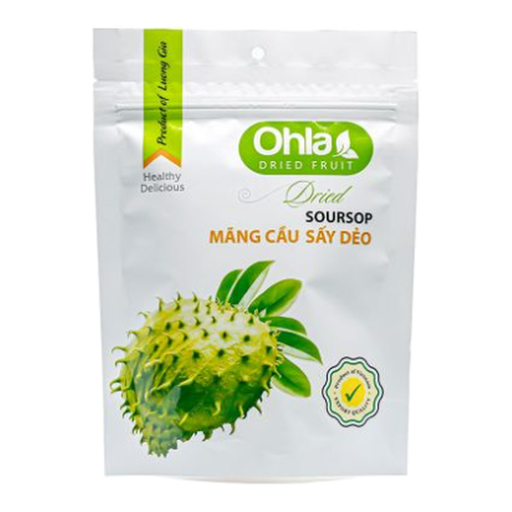 No image available
Only consider this if the ingredients meet your needs: the product information lists sodium metabisulphite (INS 223).
Fat: 2.21 g per 100 g. Energy: 348 kcal per 100 g. The product information says to store in a cool, dry place and, once opened, seal tightly or refrigerate.
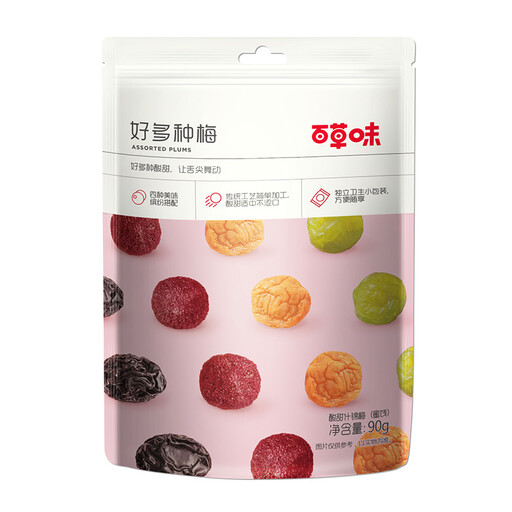 No image available
For anyone looking for dried plums in a 90 g pack; the description says the pack is easy to take with you.
Fat: 0.2 g per 100 g. The product information also lists 3.0 g of salt per 100 g and sweeteners. Seal tightly after opening.
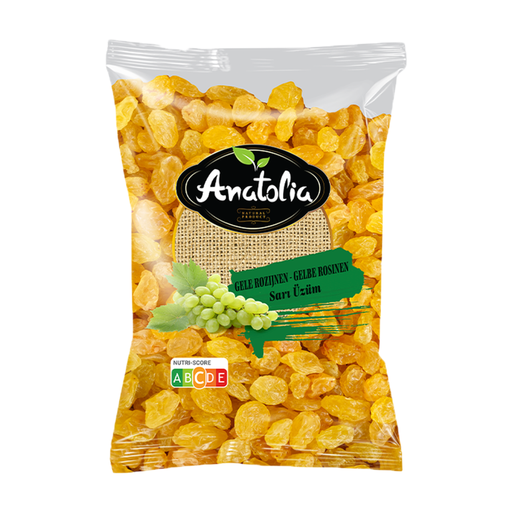 No image available
For anyone looking for raisins to snack on or add to breakfast cereal, baked goods, salads and other dishes.
The product description lists 100% dried grapes as the ingredients; it doesn’t give a fat value.
No. Fat content and allergen information are different things. Jumbo Golden Raisins, for example, list sulphites and may contain nuts, peanuts, sesame seeds and soya; check the information on the exact packaging.
Stichting Voedselallergie describes a reaction to sulphites as an intolerance reaction. Sulphites are still important to check on the label, including when listed as sulphur dioxide or E220–E228.
The European Commission defines the ‘low fat’ claim for solid foods as no more than 3 g of fat per 100 g. An absolute fat content alone doesn’t prove that a product contains less fat than a comparable product.
The NVWA explains that warnings about possible unintentional presence are used under certain conditions. From 1 January 2026, new Dutch rules apply to such warnings on prepacked foods; check the warning on the exact packaging in relation to what you need to avoid.
Follow the instructions on the packaging for the variety you have. AH Soaked Dried Apricots should be refrigerated at no more than 7 °C after opening; don’t automatically apply that instruction to other dried fruit.