
Snack shoppers with a food allergy
You want to choose an option based on the allergen you need to avoid and any warnings about possible unintended presence, rather than its general product description.


If you need to avoid gluten or lactose, AH Biologisch Ananas gedroogd & ongezoet and PLUS Sultana rozijnen are specific options whose product pages state that they are gluten-free and lactose-free. AH also warns that its pineapple may contain peanuts and several types of nuts; PLUS Gedroogde abrikozen lists E220 (sulphite). Choose according to the restriction that applies to you, and check the ingredients and allergen information on the exact pack.
You want to choose an option based on the allergen you need to avoid and any warnings about possible unintended presence, rather than its general product description.
You’re looking for information about your specific dietary restriction: a gluten-free claim tells you something different from a listing for sulphite as a preservative.
You compare the ingredients and nutritional information, bearing in mind that no added sugar is not the same as no sugars.
Start with the substance you want to avoid. Then check the ingredients and allergen information, before seeing whether the pack and product suit your needs.
| What to consider | What to look for | Who might find this more important? |
|---|---|---|
| Allergens and cross-contamination | Check the warnings for the specific allergen you need to avoid; a short ingredients list isn’t enough. | If I need to avoid peanuts or a particular nut, I want to choose an option that suits my dietary restriction. Around 31% of consumers prioritise a specific allergen or the possibility of cross-contamination. |
| Sulphites | Check for sulphites, sulphur dioxide and preservatives such as E220. | If sulphites are the deciding factor for me, I don’t want to rely solely on a ‘no added sugar’ claim. Around 25% of consumers make avoiding sulphites their top priority. |
| Gluten-free | Check the claim for the exact product variant and assess any other restrictions separately. | If gluten is my main restriction, I look for information that relates specifically to the product variant. Around 19% of consumers prioritise avoiding gluten. |
| Added and total sugars | Compare both figures per 100 g and bear in mind how much you eat. | If you want to limit added sugar, you’ll also want to know how much total sugar the dried fruit contains. Around 13% of consumers make this their priority. |
| Packaging and use | Compare pack sizes and storage instructions; only compare costs between options that suit your diet. | Once I know what my dietary requirements are, I want to choose a pack that’s practical to store and finish. Around 12% of consumers then focus mainly on convenience and cost. |
A claim about a specific dietary requirement doesn’t automatically tell you whether a product is suitable if you have another allergy. Albert Heijn warns that its dried pineapple may contain peanuts and several types of nuts.
Compare the product information with the exact substances you need to avoid, and assess each restriction separately.
PLUS states that its dried apricots have no added sugar, but also lists E220 (sulphite). These details answer different questions about the product.
Check the sugar information and preservatives separately.
Ingredients and warnings about possible unintended presence provide different information. A short list on its own doesn’t prove that an allergen can’t be present.
Also read the allergen or precautionary information on the current packaging.
Products sold loose at a market stall may not have a pack label for you to check. The NVWA states that allergen information must also be available for unpackaged foods.
Before buying, ask about the exact product and, if it matters to you, how it is handled alongside shared storage or scoops.
One specific example is AH Biologisch Ananas gedroogd & ongezoet, 80 g.
Jumbo Zongedroogde Sultana Rozijnen 250 g is an example with a simple ingredients list.
Lidl’s Dutch Alesto range includes dried fruit products such as dried mango strips.
Dutch product descriptions include Trader Joe’s sun-dried apricots, 250 g, and raisins, 500 g.
The own-brand examples reviewed are Sultana raisins and dried apricots, both in 375 g bags.
In the product description reviewed, Dirk offers 1 de Beste Abrikozen in a 375 g pack.
These products are dried or freeze-dried fruit. Compare the ingredients and dietary claims for each variant; a product listing is not a general guarantee that it is free from particular substances.
 No image available
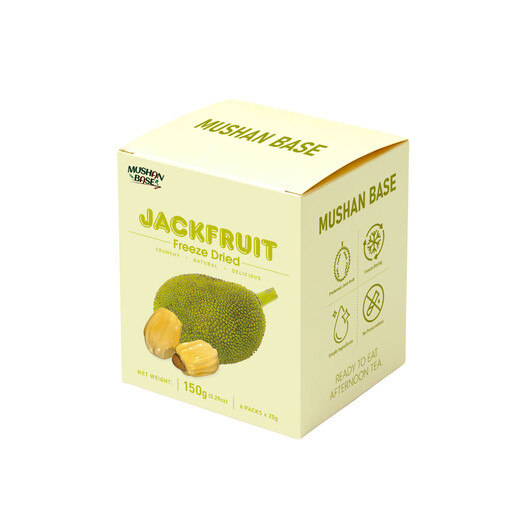
An option to compare if you’re looking for jackfruit with no added sugar; if you have a dietary restriction, check the current packaging too.
The product description states that it contains 100% jackfruit and has no added sugar. The pack contains six 25 g portions; the description lists no allergens.
 No image available
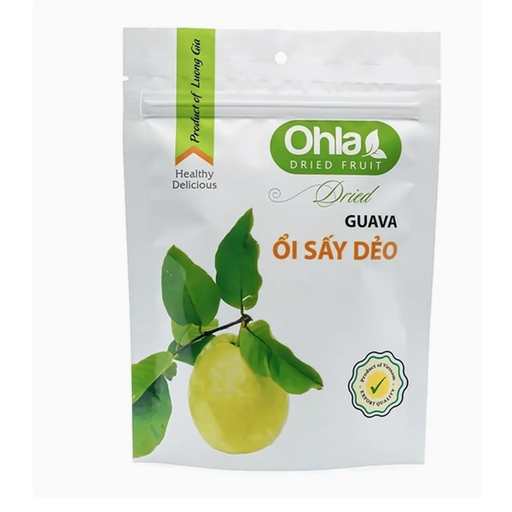
Consider this variant if you’re looking for dried guava and are happy for sugar to be included in the ingredients.
The ingredients list includes guava (95%), sugar and a preservative. The product description states that the product does not contain any of the 14 main EU allergens; check the packaging to make sure it meets your specific requirements.
 No image available
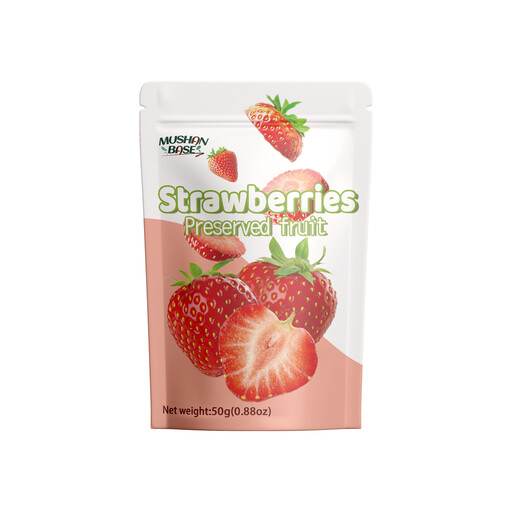
An option to compare if you’re looking for dried strawberries to eat as they are or use as a topping.
The ingredients list includes dried strawberries and sugar; the pack contains 50 g. The product description states that the product does not contain any of the 14 main EU allergens. Consider this claim separately from your specific dietary requirements.
No. Albert Heijn states that AH Biologisch Ananas gedroogd & ongezoet is gluten-free and lactose-free, but also warns that this variant may contain peanuts and several types of nuts. Assess each restriction separately.
They indicate the possible unintended presence of an allergen and are separate from ingredients that have been deliberately added. The Dutch rules on precautionary allergen labelling have applied since 1 January 2026. The NVWA gives examples of wording such as ‘May contain X’ and ‘Not suitable for people with an X allergy’. A warning is based on a risk assessment.
Yes. The NVWA states that information about the specified allergens must also be available for unpackaged foods. Staff may provide the information verbally under certain conditions: the seller must be able to answer your question directly before purchase and have written or electronic information available for staff and inspectors. A notice at the point of sale must tell you that you can ask for allergen information.
Check the ingredients and allergen information for sulphites, sulphur dioxide and preservatives such as E220. Stichting Voedselallergie describes sulphites as a preservative that may be listed as E220–E228; PLUS specifically lists E220 (sulphite) for its dried apricots.
Use the current packaging to assess the product, and ask customer services for clarification if the information conflicts. PLUS warns that ingredients and allergy information may change and advises customers to read the packaging.