What should you look for in dried fruit?
When choosing dried fruit for a university lunch break, both your dietary needs and how you’ll carry and eat your snack matter. This table pairs each key priority with a practical check.
| What to consider |
What should you check? |
Who is this important for? |
| Specific allergen |
Read the full ingredients list and check separately for a warning about possible cross-contamination. |
If I avoid a particular allergen, I want to assess both the recipe and the warnings for the product I’ve chosen. Around 31% of consumers put avoiding a specific allergen first. |
| Sulphites |
Check the product information for sulphites and E220–E228; don’t infer the ingredients from the colour or the description ‘sun-dried’. |
If sulphites are the deciding factor for me, I check for them separately from any food allergens. Around 25% of consumers make avoiding sulphites their top purchasing priority. |
| Taking it with you and eating in the canteen |
Choose packaging that suits how you’ll use the product, and keep the product information. If it’s sold loose, ask for allergen information about the product being served. |
If I bring a snack with me or eat in the canteen, I want to have the information about my chosen product to hand. Around 19% of consumers prioritise being able to check what they take with them and eat in the canteen. |
| Portion size and ingredients |
Check the portion weight and whether sugar has been added; treat dietary advice separately from medical avoidance requirements. |
If I’m mainly looking at portion size and added sugar, I want to weigh up the portion and ingredients. Around 13% of consumers put these dietary considerations first. |
| Pack size and cost |
Compare the same type and variety of fruit by price per kilogram, and take portioning and storage into account. |
If cost matters most to me, I compare the pack size with how much I use, but only among products that suit my diet. Around 12% of consumers prioritise cost and a practical pack size. |
Products at Joybuy
These products are dried fruit options for a snack on the go or a lunch break. Check the current packaging and product information yourself for ingredients and any warnings; the product selection does not confirm that these products are suitable for a specific avoidance diet.
 No image available
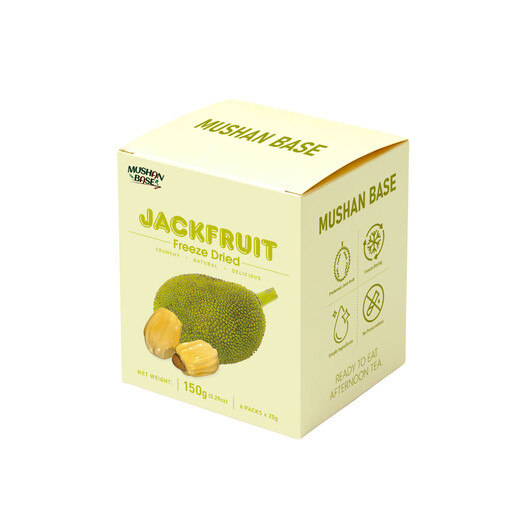
MUSHAN BASE freeze-dried jackfruit 150 g (6 × 25 g)
The description lists six portions that you can take with you and eat straight away.
Size: 150 g, divided into 6 × 25 g portions. Ingredient listed in the product description: jackfruit (100%). Check the current packaging for allergen and cross-contamination information.
View at Joybuy
 No image available
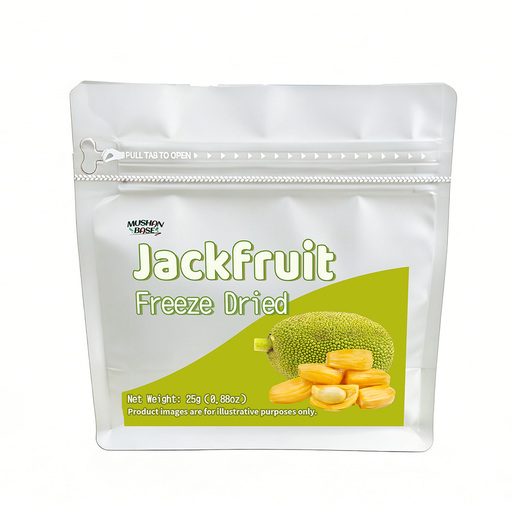
MUSHAN BASE freeze-dried jackfruit 25 g
The product description lists a 25 g portion as a snack you can eat straight away.
Size: 25 g. Ingredient listed in the product description: jackfruit (100%). Check the current packaging for allergen and cross-contamination information.
View at Joybuy
 No image available
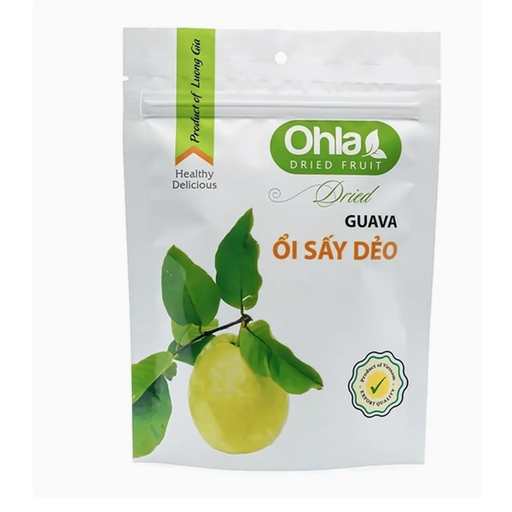
OHLA dried guava 180 g
The product description lists dried guava as a snack for when you’re out and about.
Size: 180 g. Ingredients listed in the product description: guava (95%), sugar and preservative. Check the current packaging for the full ingredients and allergen information.
View at Joybuy
 No image available
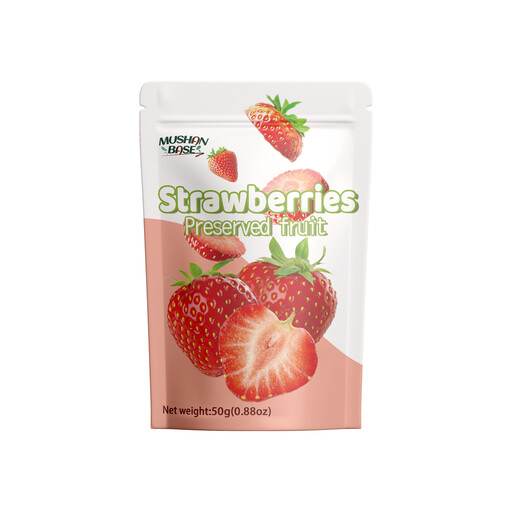
MUSHAN BASE dried strawberry slices 50 g
The description lists a 50 g pack that can be resealed after opening.
Size: 50 g. Ingredients listed in the product description: dried strawberries and sugar. Check the current packaging for allergen information and warnings.
View at Joybuy
 No image available
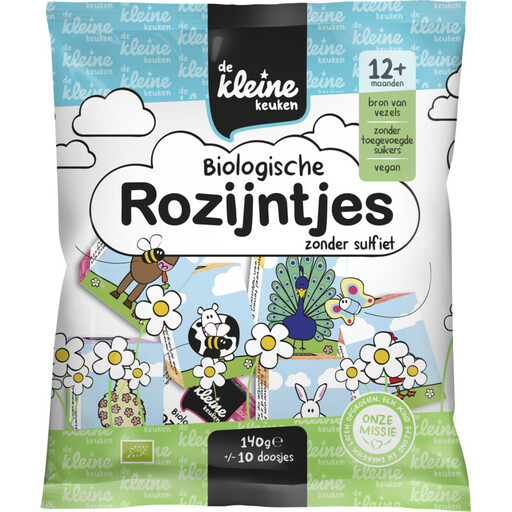
De Kleine Keuken organic raisins 12M+ 140 g
The description lists individual 14 g boxes to take with you.
Size: 10 boxes of 14 g (140 g in total). The product description states “No sulphites”; check the current packaging and information about possible cross-contamination. The description also states that the product is suitable only for infants over 12 months old.
View at Joybuy
Frequently asked questions
Does ‘free from’ mean that dried fruit is suitable for every allergy?
No. A general description is no substitute for full allergen information. Check which ingredient you need to avoid, the ingredients list and any separate warning about possible cross-contamination. Information about legally recognised allergens doesn’t cover every personal allergy.
Does a university canteen have to provide information about allergens in loose dried fruit?
Yes. Businesses selling non-prepacked foods must tell consumers about any legally recognised allergens present. Ask about the product actually being offered and, if it contains cereals with gluten or nuts, which cereals or nuts are involved.
By 13 October 2026, will all packaging automatically follow the new precautionary labelling rules?
No. The date alone doesn’t mean that every pack will automatically have a new label. The NVWA has been enforcing the new rules since 1 January 2026. The official guidance uses the production date as its starting point and explains that older stock may be sold until it runs out under certain conditions, provided the food is not unsafe.
How large should your daily portion of dried fruit be?
The Netherlands Nutrition Centre recommends a maximum of 20 g of dried fruit a day. This is dietary advice, not a limit below which an allergen or sulphite is safe for you.
Do the rules for gluten-free claims also apply to loose foods?
Yes. According to the European Commission, the rules for ‘gluten-free’ and ‘very low gluten’ claims also apply to non-prepacked foods, such as food served in restaurants. A gluten-free claim doesn’t mean a product is free from other allergens.


