Choose dried fruit based on the substance you need to avoid, then check the information on the specific packaging, including any warnings about possible cross-contamination. Check sulphites separately from allergens, and when planning your weekly shop, match the pack size to the portions you have in mind.
Who is this relevant to?
Avoiding a specific allergen
Useful if you need to take a specific food allergy into account when doing your weekly shop. The Netherlands Food and Consumer Product Safety Authority (NVWA) stresses the importance of clear allergen information on labels. Also check for information about possible cross-contamination.
Buying snacks when sensitive to sulphites
Useful if sulphites are why you check ingredient lists carefully. The Food Allergy Foundation describes sulphite sensitivity as a separate intolerance issue, which should not be treated as the same as a food allergy.
Planning portions for your weekly shop
Useful if you’re buying dried fruit for several occasions and want the pack size to suit how you plan to use it. Follow the storage advice for the specific fruit and packaging; advice for dried fruit mix does not automatically apply to all dried fruit.
What should you look for when choosing?
Start with the substance you want to avoid, then check the information for the specific product and decide what quantity suits your plans for the week.
Since 1 January 2026, the NVWA has been checking during inspections whether warnings about possible allergen cross-contamination are correctly stated on prepacked products.
| What to consider |
What to look for |
Who is this important to? |
| Specific allergen |
Check the allergen information on the packaging and read any warnings about cross-contamination. |
If I need to avoid a specific allergen, I want to be able to check that exact product information. Around 33% of consumers say avoiding a specific allergen is their main concern when shopping. |
| Sulphites |
Check the sulphite information and look out for preservatives E220–E228, which the Food Allergy Foundation lists as sulphite preservatives. |
If I’m checking ingredients because of sulphites, I want to consider that separately from other allergens. Around 20% of consumers say avoiding sulphites is their top priority. |
| Nutritional information and portion size |
Check the nutritional information and plan your portion separately from your allergen checks. The World Cancer Research Fund advises eating no more than 20 g of dried fruit a day. |
If I’m planning portions for several snack breaks, I want to be able to take the amount I’ll eat each time into account. Around 20% of consumers say portion planning is their main concern when shopping. |
| Pack size |
Compare the net weight with how much you plan to use. Jumbo lists sultanas in 250, 500 and 750 g packs; PLUS lists a 375 g stand-up pouch. |
If I’m shopping for the whole week, I want to choose an amount that suits the occasions I have planned. Around 14% of consumers prioritise the quantity they’ll need for the week. |
| Storage and use |
Follow the storage advice on the packaging. The Netherlands Nutrition Centre recommends storing opened dried fruit mix in a kitchen cupboard for 6–9 months. |
If I’m using a pack on several occasions, I want to know how to store that particular variety. Around 13% of consumers say storage and ease of use are their main concerns when shopping. |
Common pitfalls
-
Assuming a supermarket brand or organic product is guaranteed to be allergen-free
Allergen information relates to the specific product. On the product page for AH Organic Raisins, Albert Heijn advises customers to read the packaging before consumption. The product name alone does not tell you whether it is suitable for your specific allergy.
Choose based on the substance you need to avoid, then check the product information and packaging for the variety you’re buying.
-
Assuming a sulphite check covers all allergens
The Food Allergy Foundation describes a reaction to sulphites as an intolerance reaction, which is distinct from an allergic reaction. So choosing a product based on its sulphite information does not automatically answer questions about other allergens.
Check sulphites and any other relevant allergens separately in the information for the specific product.
-
Assuming a large pack means a suitable daily portion
The amount in a pack and the amount you eat on each occasion are two different things. The World Cancer Research Fund advises eating no more than 20 g of dried fruit a day. This is nutritional advice for planning portions, not proof that a product is suitable for someone with an allergy.
Work out your planned portions first, then compare pack sizes.
Supermarket brands for reference
Albert Heijn
One of the listed supermarket chains to consider when buying dried fruit as part of your regular shop.
- The product page confirms the name AH Organic Raisins.
- Albert Heijn advises customers to read the packaging before consumption; the word ‘organic’ in a product name does not prove it is allergen-free.
Jumbo
Its dried fruit range includes various types of fruit, such as raisins, apricots, cranberries, prunes and dates.
- Jumbo lists sultanas in 250, 500 and 750 g packs.
- The range and pack size alone say nothing about whether a product is suitable for someone with an allergy or intolerance.
Lidl
Lidl offers dried fruit in its Alesto range.
- The product information includes dried mango strips.
- The dried fruit page refers to selected stores. Check availability at your local shop; range information does not prove that a product is suitable for your dietary needs.
ALDI
The product information includes Trader Joe’s raisins and a fruit mix.
- The listed pack sizes are 500 g for the raisins and 200 g for the fruit mix; the fruit mix is described as resealable.
- The fruit mix variety also contains cashew nuts, so this is not a general statement that the product is nut-free.
PLUS
PLUS lists sultanas in a stand-up pouch.
- The product page gives a pack size of 375 g.
- The packaging type and pack size do not confirm whether a product is suitable for someone with a specific allergy or intolerance.
Dirk
Dirk lists products including 1 de Beste White Raisins.
- Dirk lists a pack size of 375 g and describes the raisins as suitable for baking, adding to salads or enjoying as a snack.
- The product name and usage description do not prove that the product is free from sulphites or allergens.
Joybuy products
These Joybuy products include dried dates, guava, dragon fruit and soursop. They’re for anyone who wants to take allergen or sulphite information into account and choose a pack size to suit their weekly shop. Always check the information on the specific packaging; a product description is no substitute for checking for possible cross-contamination.
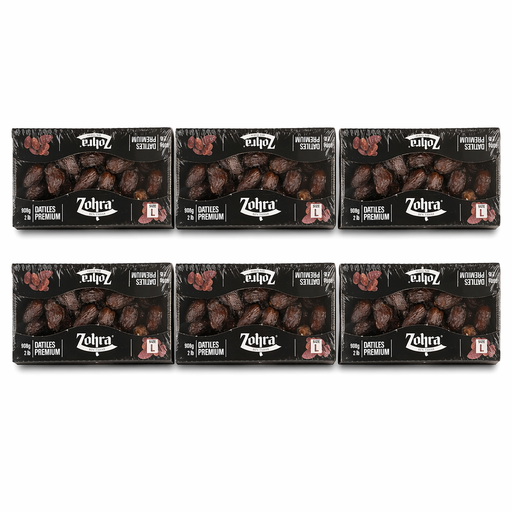 Image unavailable
Medjoul Dates, 908 g x 6
As a first step when checking for allergens, the product description states that the product contains none of the 14 major EU allergens. Also check the current packaging and information about possible cross-contamination.
The title lists 908 g x 6. The description lists dates as the ingredient and recommends storing in a cool, dry place.
View at Joybuy
 Image unavailable
Medjool Dates (M) Zohra, 908 g
As a first step when checking for allergens, the product description states that the product contains none of the 14 major EU allergens. Also check the current packaging and information about possible cross-contamination.
The title lists a 908 g pack. The description lists dates as the ingredient and recommends storing in a cool, dry place.
View at Joybuy
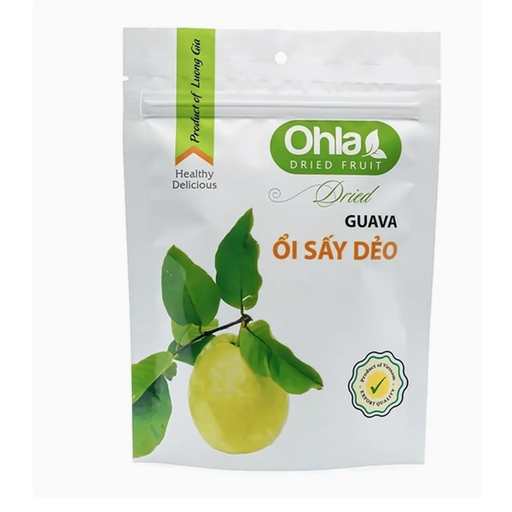 Image unavailable
OHLA dried guava, 180 g
As a first step when checking for allergens, the product description states that the product contains none of the 14 major EU allergens. Also check the current packaging and information about possible cross-contamination.
The title lists 180 g. The ingredients description lists guava, sugar and a preservative.
View at Joybuy
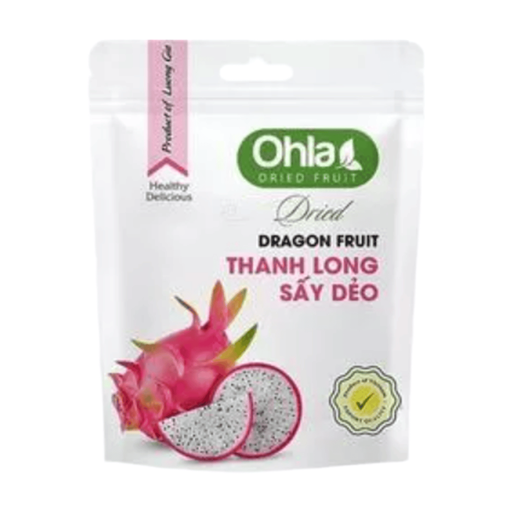 Image unavailable
OHLA dried dragon fruit, 180 g
As a first step when checking for allergens, the product description states that the product contains none of the 14 major EU allergens. Also check the current packaging and information about possible cross-contamination.
The title lists 180 g. The product description gives nutritional values per 100 g and recommends storing in a cool, dry place.
View at Joybuy
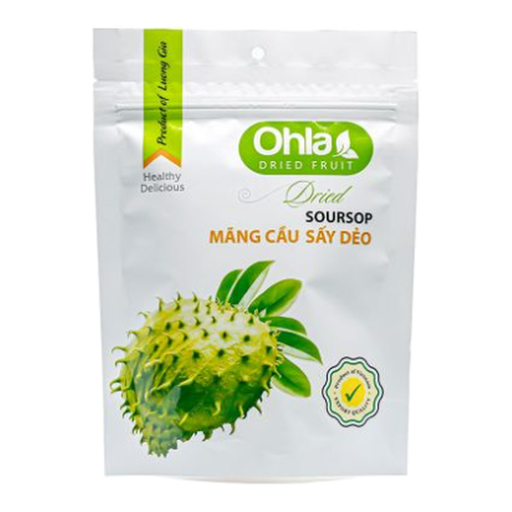 Image unavailable
OHLA dried soursop, 180 g
If you want to avoid sulphites, this variety is not a suitable choice: the ingredients description lists sodium metabisulphite (INS 223).
The title lists 180 g. The description lists soursop, sugar, glucose, citric acid and sodium metabisulphite (INS 223) as ingredients, and recommends storing in a cool, dry place.
View at Joybuy
Frequently asked questions
Are food allergies and sulphite sensitivity the same thing?
No. The Netherlands Nutrition Centre distinguishes between food allergies and food intolerances; the Food Allergy Foundation describes a reaction to sulphites as an intolerance reaction, not an allergic reaction. So check sulphites separately from other allergens.
What should I look for on the label if I have an allergy?
Check the allergen information for the substance you need to avoid, and read any warnings about possible cross-contamination. Since 1 January 2026, the NVWA has been checking during inspections whether prepacked products are labelled correctly in this respect.
Is the term ‘gluten-free’ regulated by law?
Yes. The European Commission refers to Implementing Regulation (EU) No 828/2014 for the requirements for the terms ‘gluten-free’ and ‘very low gluten’. This regulation has applied since 20 July 2016.
How much dried fruit should I plan for a daily snack?
The World Cancer Research Fund advises eating no more than 20 g of dried fruit a day. Use this as nutritional advice for planning portions, not as proof that a product is suitable for your allergy.
How long can I keep an opened pack?
For opened dried fruit mix, the Netherlands Nutrition Centre recommends storing it in a kitchen cupboard for 6–9 months. Don’t automatically apply this advice to other types of dried fruit; follow the storage instructions for the specific variety.


