
Shoppers avoiding a specific allergen
When you’re making a quick top-up shop, your choice needs to suit the allergen you avoid. Check the ingredients and allergen information, and look out for relevant cross-contamination warnings.


Choose dried fruit based on the specific ingredient you want to avoid: check the ingredients, allergen information and any cross-contamination warning on the packaging of the exact product. Then compare the quantity and any added sugar. A small pack may suit a top-up shop, but that alone doesn’t tell you whether it’s suitable for your diet.
When you’re making a quick top-up shop, your choice needs to suit the allergen you avoid. Check the ingredients and allergen information, and look out for relevant cross-contamination warnings.
You’re specifically looking out for sulphites and preservatives E220–E228. This is a different consideration from avoiding nuts, milk or gluten, for example.
Choose a pack size that suits what you need. If you also want to avoid added sugar, check this separately in the ingredients list.
When you’re making a small top-up shop, it helps to start by identifying the ingredient you want to avoid. Then consider the quantity you need and any added ingredients.
| What to consider | What should you check? | Who is this most important for? |
|---|---|---|
| A specific allergen | Check the ingredients, allergen information and any relevant cross-contamination warnings on the packaging of the exact product. | If I avoid a particular allergen, I want to be able to check that information on the product I’m buying. Around 42% of consumers say avoiding a specific allergen is their top priority. |
| Sulphites | Check the product information separately for sulphites and preservatives E220–E228. | When sulphites are what I avoid, I don’t want to rely on a general description of the fruit. Around 25% of consumers put avoiding sulphites first. |
| Added sugar | Check the ingredients list for added sugar; look at the nutrition information separately if it matters to your choice. | If I want to avoid added sugar, I check the ingredients rather than looking only at the total sugar content. Around 17% of consumers make this their top priority when choosing. |
| Pack size | Compare the net weight with what you need for your top-up shop; Jumbo lists sultanas in 250, 500 and 750 gram packs. | For a small top-up shop, I don’t want to buy more than I need. Around 16% of consumers put the quantity they need first. |
Allergen information relates to individual allergens. A warning about possible cross-contamination may also matter if it concerns an allergen you avoid.
Identify the allergen that’s relevant to you, then check the ingredients, allergen information and warnings on the current packaging.
Sulphites may be used as preservatives in dried fruit. The Dutch Food Allergy Foundation lists E220–E228 as sulphites; this is a separate point to check.
Check for sulphites and E220–E228 separately. Information about another ingredient doesn’t replace this check.
A product with no added sugar isn’t automatically sugar-free or suitable for avoiding a specific allergen.
Check added ingredients and allergen information as separate points on the packaging.
A larger pack may leave you with more stock than you need for your planned top-up.
Compare the net weight with how much you expect to use, and check the product information again if you choose a different pack or variety.
According to Albert Heijn’s category information, the range includes unsweetened pineapple and fruit and nut mixes.
Jumbo lists raisins, apricots, dates, prunes and cranberries, among other products. Its sultanas are listed in 250, 500 and 750 gram packs.
Lidl Netherlands lists dried fruit as available in selected stores.
The Dutch ALDI website lists Trader Joe’s raisins in a 500 gram pack.
PLUS lists dried apricots in a 375 gram stand-up pouch.
Dirk’s product listings include sultanas and apricots, both in 375 gram packs.
These products are dried fruit for a snack or topping. Check the ingredients and allergen information for the exact variety before choosing; the product listing doesn’t confirm that it’s suitable for avoiding a specific allergen or sulphites.
 No image available
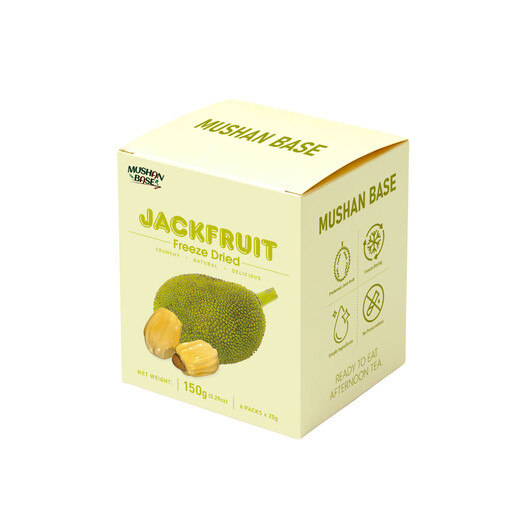
The six individual bags may suit a small top-up shop or portions to take with you. Check the current packaging to see whether the product meets your specific requirements.
Joybuy lists 100% jackfruit as the ingredient. The pack contains 6 x 25 g bags.
 No image available
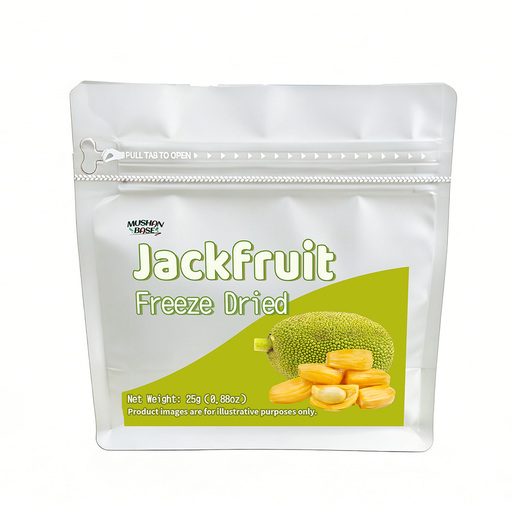
The 25 g pack may suit you if you only need a small amount. Check the current packaging for the allergen you avoid and any relevant warnings.
Joybuy lists jackfruit as the only ingredient; the pack contains 25 g.
 No image available
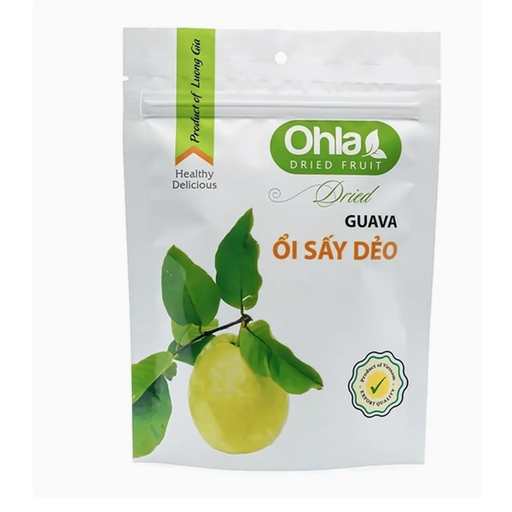
This dried guava is listed as a snack or an ingredient for dishes. Check the packaging for your specific allergen and any cross-contamination warnings.
Joybuy lists guava (95%), sugar and a preservative as ingredients. Sugar appears in the ingredients list, so this isn’t a suitable choice if you want to avoid added sugar.
 No image available
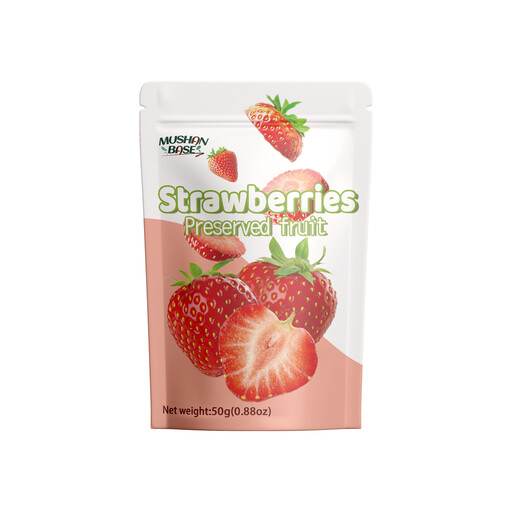
The product listing suggests enjoying these as a snack or as a topping for yoghurt and desserts. Check the packaging for information relevant to your needs.
Joybuy lists dried strawberries and sugar as ingredients. As sugar appears in the ingredients list, this product isn’t suitable if you want to avoid added sugar.
The Netherlands Food and Consumer Product Safety Authority (NVWA) says that allergen information must appear on the label of prepacked products. Check the information for the specific allergen you avoid, and read any relevant warnings about possible cross-contamination.
Since 1 January 2026, new rules have applied in the Netherlands on how and when food businesses must warn about allergens that may be unintentionally present. The NVWA has been monitoring labelling rules since 2026; a label isn’t an individual guarantee of safety.
Yes. EU Regulation 828/2014 sets out the conditions for the claims ‘gluten-free’ and ‘very low gluten’. The European Commission states that these rules have applied since 20 July 2016; check the information on the exact packaging.
The Dutch Nutrition Centre recommends a maximum of 20 grams of dried fruit a day. This is general dietary advice on portion sizes, not a legal limit on purchases or an indication that a product meets your allergen requirements.
Yes. Albert Heijn and PLUS advise checking the packaging, as ingredients and allergen information may change. So even if you’ve bought a product before, check the current packaging of the variety you’re buying.