What to look for in dried fruit
Your choice comes down to three different considerations: allergen information, energy per portion and the fruit’s ingredients. An alternative with different ingredients isn’t automatically suitable for your personal avoidance requirements.
Rehydrated apricots
When to choose them: If you can tolerate apricots and sulphites, and are looking for a softer option with a lower stated energy value. Albert Heijn lists 182 kcal per 100 g for the rehydrated apricots reviewed.
The trade-off: This variant contains added water and sulphites. The lower value is per weight of the product as sold; the European Commission’s limit for a low-calorie claim is no more than 40 kcal per 100 g.
Non-rehydrated apricots
When to choose them: If apricots meet your avoidance requirements and you want to compare the energy content of a weighed portion. The Jumbo and PLUS product information reviewed lists 237 and 254 kcal per 100 g respectively.
The trade-off: Both product variants list sulphites. Jumbo also warns that they may contain nuts, peanuts and sesame; assess each warning separately.
Dried prunes
When to choose them: If you can tolerate prunes and want to compare a different type of fruit: the ingredients list for the PLUS prunes reviewed names prunes, sunflower oil and E200, with no sulphites listed.
The trade-off: This list doesn’t prove that the product is absolutely sulphite-free or that cross-contamination has been ruled out. PLUS lists 282 kcal per 100 g, so these aren’t automatically a low-calorie alternative.
Use the packaging for the exact variant as your reference. The table summarises the main checks; the percentages show how many consumers consider each need their top priority.
| What to consider |
What to look for |
Who might prioritise this? |
| Ingredients and warnings |
Check the type of fruit, ingredients and any warnings about possible presence on the current packaging. |
If I need to avoid something, I want to know what’s in the product and what warnings are included first. Around 36% of consumers make checking allergens their top priority. |
| Energy per portion |
Compare the kcal per 100 g for the exact variant and weigh your portion to calculate the kcal per portion. |
When I want to weigh my snack carefully, I compare the energy values on the same weight basis. Around 29% of consumers prioritise managing their energy intake. |
| No added sugars |
Check both the ingredients list and the nutritional information; total sugars and added sugars aren’t the same. |
I want to choose fruit without added sweeteners, but I also want to know how much total sugar and energy it contains. Around 21% of consumers make no added sugars their top buying priority. |
| Storage and packaging |
Choose a pack size that suits your portions and follow the storage instructions for your chosen variant after opening. |
If I eat small portions over several days, the packaging needs to suit how I use and store the product. Practical storage is the top priority for around 14% of consumers. |
Dried fruit at Joybuy
This selection of Joybuy products includes raisins and prunes. Compare the ingredients and allergen information, kcal per 100 g and pack size for each variant. Information on a product page doesn’t replace checking the label yourself.
 No image available
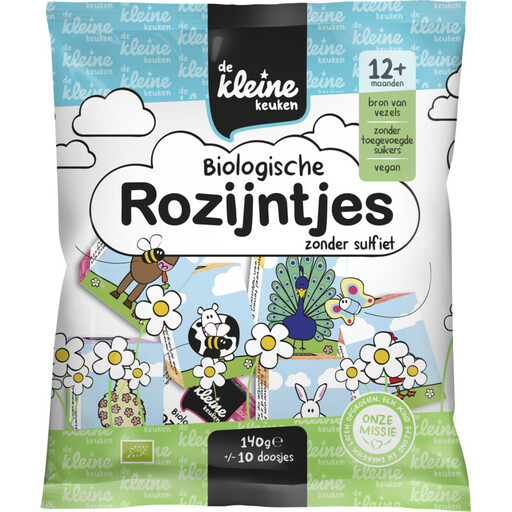
De Kleine Keuken Organic Raisins 12M+ 140g
The product information lists raisins as an ingredient and states that no sugars or sulphites have been added; check the current packaging against your personal avoidance requirements.
The pack contains 10 boxes of 14 g. According to the product information, it’s intended for children aged 12 months and over; supervise them while eating. Not suitable for children with swallowing difficulties.
View at Joybuy
 No image available
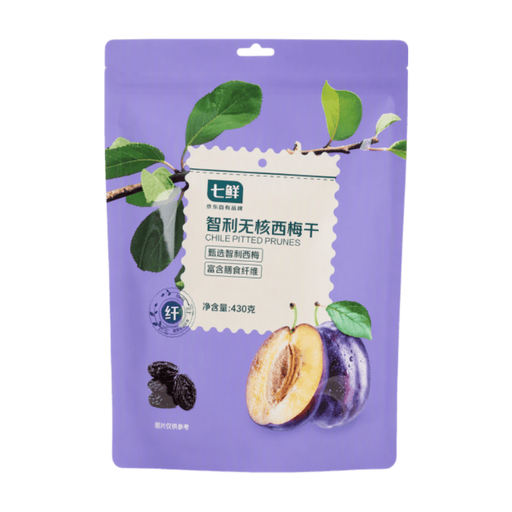
7FRESH Pitted Prunes 430g
The ingredients list names dried prunes and doesn’t list sulphites; this doesn’t guarantee that there’s no risk of cross-contamination or that the product is suitable for you.
The product information lists 283 kcal per 100 g and advises consuming the product immediately after opening.
View at Joybuy
 No image available
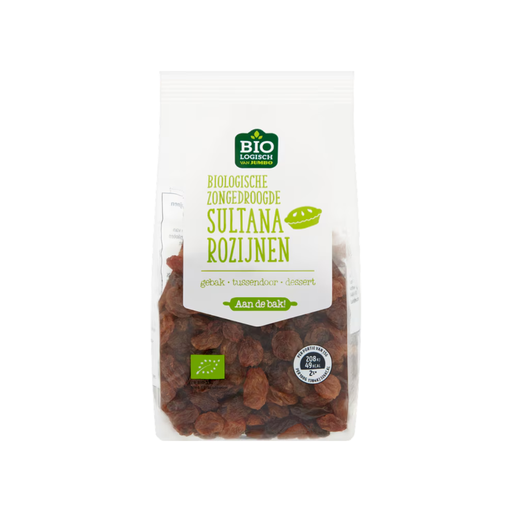
B+ Sultana Raisins 250 g
The product information lists raisins and sunflower oil, and states that no sugars have been added. The allergen information doesn’t list any of the 14 major EU allergens; this doesn’t confirm that the product is suitable for every allergy.
The nutrition table lists 326 kcal per 100 g.
View at Joybuy
 No image available
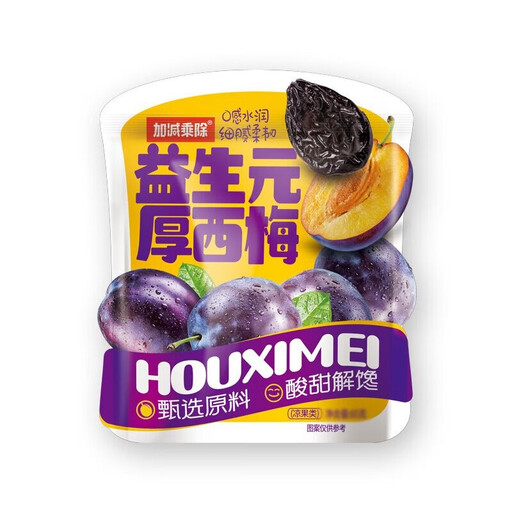
Jia Jian Cheng Chu Prebiotic Thickened Prunes 65g
The product information lists 214 kcal per 100 g and an individual 65 g pack. The ingredients list names fructose syrup and oligofructose, so check these ingredients if you want to avoid added sweeteners.
View at Joybuy
 No image available
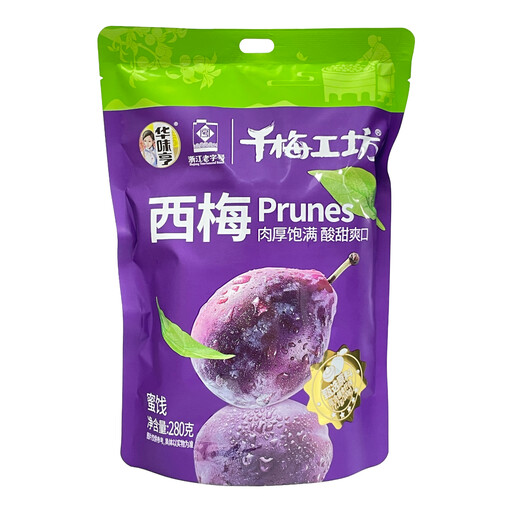
Huaweiheng Dried Plums 280g
The product information lists dried plums and 285 kcal per 100 g. The ingredients list names white sugar and crystalline fructose, but doesn’t list sulphites; check the current packaging and other allergen information as well.
The added sugars mean this variant isn’t suitable if you’re specifically looking for products without added sweeteners.
View at Joybuy
Frequently asked questions
Does a small portion of dried fruit make the product low in calories?
No. A small portion doesn’t change the energy value per 100 g. Under the European Commission’s rules, a solid food can only be described as low in calories if it contains no more than 40 kcal per 100 g; compare this limit with the nutritional information for the exact variant.
Does ‘no added sugars’ also mean sugar-free?
No. The claim refers to sugars or other sweetening ingredients added to the product; fruit may contain sugars naturally. Voedingscentrum recommends checking the ingredients list and nutritional information separately.
How should I assess sulphite and cross-contamination warnings?
Read the ingredients list and warnings separately, and compare them with your personal avoidance requirements. Stichting Voedselallergie distinguishes between sulphite sensitivity and a food allergy; information on a product isn’t a personal guarantee that it’s suitable for you.
How much dried fruit does Voedingscentrum recommend?
Voedingscentrum recommends eating no more than 20 g of dried fruit a day. This is general dietary advice and doesn’t confirm that this amount is suitable if you have a food allergy.
How should I store rehydrated apricots after opening?
Follow the advice on the packaging for your chosen variant. For the AH variant reviewed, Albert Heijn recommends refrigerating it after opening at a maximum of 7 °C and states that it has a limited shelf life. Don’t automatically apply this advice to other dried fruit.


