Use the label to choose a product with a low fat content, but also check the portion size and the sugars it contains. A low fat content per 100 g does not prove that a product contains less fat than a comparable product; also check portion sizes, ingredients and storage instructions.
Who is this choice relevant to?
Mindful after-school snackers
You’re looking for a low-fat snack for your child, but also want to keep an eye on added sugar and how much you give them. The Netherlands Nutrition Centre recommends choosing dried fruit without added sugar and having no more than a handful.
Convenience seekers after school
You want something quick to pack or put out, so you look for individual portions, the option to portion it yourself and the storage instructions on the pack.
Label readers managing allergies
If your child has a known allergy or sensitivity, ingredients, allergen information and warnings matter more than a nutrition claim. This is especially important when that information is relevant to your family.
What should you look for when choosing?
First compare the fat content per 100 g, then check the sugar, portion size and how you’ll use the product. For solid foods, the European Commission sets a maximum of 3 g of fat per 100 g for the claim ‘low fat’. A low figure alone does not prove that the product has less fat than a comparable one.
| What to consider |
What to look for |
Who might find this more relevant? |
| Fat content and claims |
Compare the grams of fat per 100 g. A claim that a product has reduced fat needs to be backed up by a comparison; the Netherlands Bakery Centre explains that this means a reduction of at least 30%. The European Union also sets conditions for nutrition claims. |
If I mainly want to keep an eye on fat, I compare the figures per 100 g and distinguish between a low fat content and a proven reduction. Fat content is the top priority for around 34% of consumers. |
| Portion size and sugars |
Check both the ingredients and the ‘of which sugars’ figure. The Netherlands Nutrition Centre recommends having no more than a handful of dried fruit; how much a child can eat between meals depends on their age and sex. |
If I want to avoid a small snack turning into a large portion without me noticing, I check the portion size and sugars. Around 33% of consumers put portion size and sugar first. |
| Portioning and storage |
Check whether the pack contains individual portions and follow the storage instructions for that specific product. AH raisin boxes contain 14 g each; AH soaked apricots should be kept refrigerated after opening. |
If I want something quick to pack or put out, I check whether I can grab ready-portioned servings and what’s required for storage after opening. Ease of use is the top priority for around 20% of consumers. |
| Allergens and warnings |
Check the current ingredients and allergen information, and any warnings. The NVWA states that allergens must be listed on the label of pre-packed foods. |
If a known allergy or sensitivity determines my choice, I check the information for that exact product. Around 13% of consumers put avoiding allergens first. |
Pitfalls when buying
-
Assuming ‘low fat’ means you can have a large portion
A nutrition claim refers to a particular feature, not how much you eat. The Netherlands Nutrition Centre points out that dried fruit is high in sugar.
Decide in advance how much to give your child and check the sugar information as well as the fat content. Adjust the amount to your child’s needs.
-
Automatically assuming fruit crisps are low in fat
Ingredients and nutritional values can vary between fruit products. The AH banana chips product checked contains coconut oil and sugar, and lists 30 g of fat per 100 g.
Check the ingredients and nutritional values for the exact product, rather than relying on the word ‘fruit’ on the pack. Albert Heijn’s product information lists these values for its banana chips.
-
Using the same storage instructions for dry and soaked products
Storage requirements vary by product. AH soaked apricots should be kept refrigerated after opening; the dry Jumbo apricots checked say to store in a cool, dry, dark place.
Before preparing several snacks, read the instructions on the pack for each product.
-
Assuming ‘pitted’ guarantees there won’t be any pit fragments
Jumbo warns that, despite care being taken, a piece of pit or pit fragments may still be present in its pitted dried apricots.
Bear the warning in the product information in mind when preparing the snack for your child.
Brands and product ranges to consider
Albert Heijn
Relevant product ranges include individually packed Hamsterchef raisins, soaked apricots and banana chips.
- Albert Heijn’s product information includes portion and storage details for these products.
- Banana chips are not the same as the raisins or apricots checked: AH banana chips contain coconut oil and list 30 g of fat per 100 g.
Jumbo
Jumbo sells pitted dried apricots in a 250 g bag.
- The product information lists 0.5 g of fat per 100 g.
- This product contains sulphites and may contain traces of nuts, peanuts and sesame. It also carries a warning about possible pit fragments.
Lidl
The Alesto range includes dried fruit; Lidl’s Dutch brand page mentions dried mango strips.
- Lidl describes the mango strips as containing no added sugars.
- This is a claim by Lidl about that product range, not proof of a low fat content or an independent assessment.
Aldi
The Dutch ALDI page lists Trader Joe’s sun-dried apricots in a 250 g pack.
- ALDI’s product listing describes the apricots as soft.
- This description is not a substantiated comparison with other brands.
PLUS
PLUS sells dried apricots in a 375 g stand-up pouch.
- The product information lists 0.5 g of fat and 0 g of added sugars per 100 g.
- The product contains sulphites and naturally occurring sugars.
Dirk
Dirk sells 1 de Beste apricots in a 375 g pack.
- Dirk’s product page confirms the product range and pack size.
- ‘Soft’ and ‘tasty’ are descriptions used by Dirk, not independently assessed product qualities.
Joybuy product picks
These dried fruit products are options for an after-school snack. Compare the nutritional values listed per 100 g, and also take sugar, ingredients and portion sizes into account.
 No image available
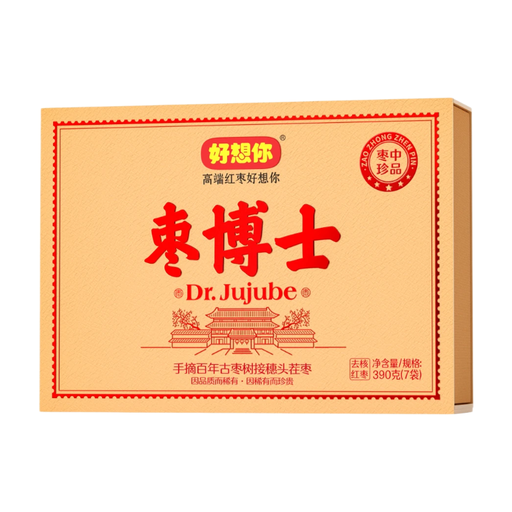
Haoxiangni Dr.Jujube Premium Gold-Grade Pitted 390 g
The product information lists 0 g of fat per 100 g; check the sugar content too before choosing a portion size.
Sugars: 50.0 g per 100 g. Ingredient: jujube. Ready to eat.
Joybuy
 No image available
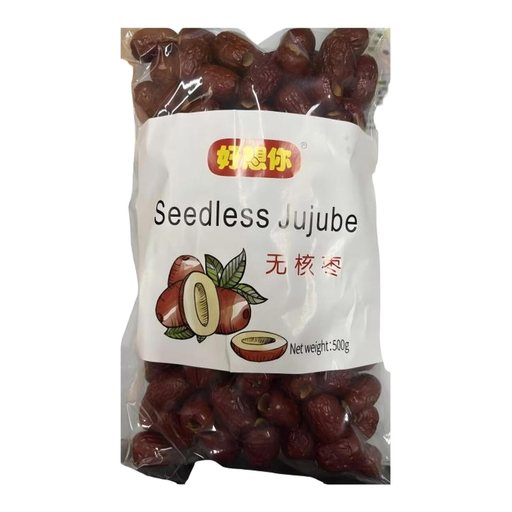
Haoxiangni Pitted Jujubes 500 g
The nutritional information lists 0.5 g of fat per 100 g; take the sugar information into account when deciding how much to serve.
Sugars: 60 g per 100 g. The product description says the pitted jujubes are ready to eat.
Joybuy
 No image available
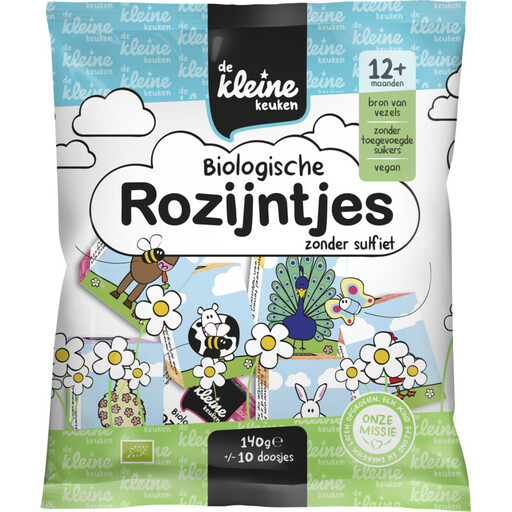
De Kleine Keuken Organic Raisins 12M+ 140 g
The individual boxes are a handy option if you want to pack a pre-portioned amount.
The pack contains 10 boxes of 14 g each. According to the product information, suitable from 12 months; supervise your child while eating and do not use if they have difficulty swallowing.
Joybuy
 No image available
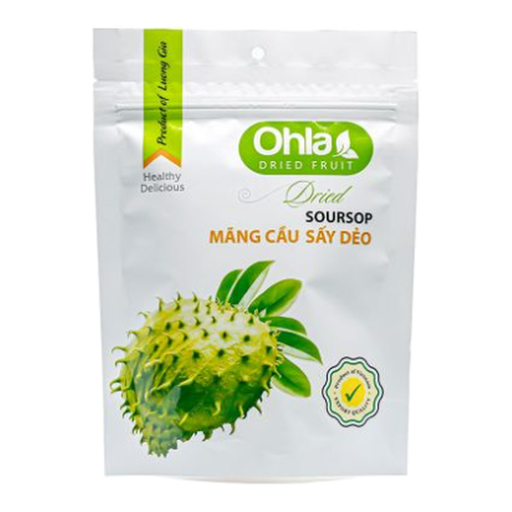
OHLA dried soursop 180 g
The product information lists 2.21 g of fat per 100 g; the ingredients and sugar content are also relevant to your choice.
Sugars: 72.6 g per 100 g. The ingredients list white sugar, glucose and sodium metabisulphite. The description says the product is ready to eat.
Joybuy
 No image available
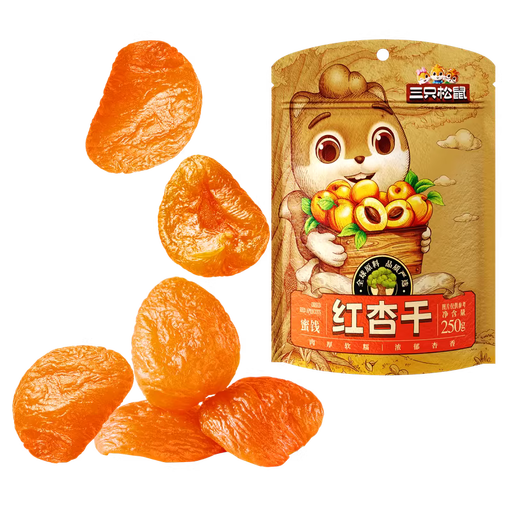
Three Squirrels Red Apricot Dried 250 g
The product information lists 0 g of fat per 100 g; check the ingredients and sugar content too before deciding on a portion size.
Sugars: 62 g per 100 g. The ingredients list sugar, maltose syrup and sulphites. The pack is resealable.
Joybuy
Frequently asked questions
Does ‘low fat’ mean the same as ‘reduced fat’?
No. For solid foods, ‘low fat’ means no more than 3 g of fat per 100 g. ‘Reduced fat’ is a comparative claim: the Netherlands Bakery Centre explains that this means a reduction of at least 30%. The European Union also sets conditions for nutrition claims; a low fat content alone does not prove a reduction compared with a similar product.
How much dried fruit should I give my child after school?
Don’t automatically treat a pack’s serving size as a recommendation for children. The Netherlands Nutrition Centre recommends giving no more than a handful of dried fruit and says that how much a child can eat between meals depends on their age and sex. Adjust the amount accordingly.
Do I need to refrigerate all dried apricots after opening?
Follow the instructions for the exact product. Once opened, AH soaked apricots should be kept refrigerated at a maximum of 7 °C. The Jumbo and PLUS products checked say to store in a cool, dry, dark place.
Can I rely on the product name if my child has an allergy?
No. Check the current ingredients and allergen information on the pack. According to the NVWA, allergen information must appear on the label of pre-packed foods. The apricot products checked list sulphites; a nutrition claim is no substitute for this information.
Are old cross-contamination warnings still up to date?
Use the information on the current pack. According to the NVWA, new Dutch rules have applied since 1 January 2026 on when and how businesses must warn about possible cross-contamination with allergens. This does not prove that every individual product has undergone a full compliance check.


