Choose dried fruit as a small sweet addition, rather than automatically treating it as your main source of protein. A general table from Notenexpres lists 2.18–3.4 g of protein per 100 g for five common varieties, but these are not verified figures for the supermarket products mentioned. If protein is important to the snack as a whole, pair the fruit with a suitable separate source of protein, such as milk or unsalted nuts, and assess the full portion. Also check for added sugar and allergens, and make sure the texture is suitable for your child.
Who is this guide for?
Parents keeping an eye on protein
You’re looking for an after-school snack that contributes to protein intake, perhaps around sports activities. Assess the whole snack, not just the fruit: the Netherlands Nutrition Centre lists milk and unsalted nuts among sources of protein. This is not an individual assessment of increased protein needs.
Parents who want to measure portions
You want to be mindful about how much sweet dried fruit you serve. The Netherlands Nutrition Centre provides general public information about portions; also check the ingredients and the portion you actually prepare.
Parents checking allergens and texture
You’re choosing for a child who needs extra care around allergens or safe chewing. Check the label on the exact variety. The Netherlands Nutrition Centre warns about whole nuts and hard pieces, so also assess the shape and texture of the contents.
What should you look out for?
Compare the nutritional information for the exact variety with the amount you serve: a figure per 100 g does not, on its own, tell you how much protein is in the whole snack.
| What to consider |
What should you check? |
Who is this most relevant to? |
| Protein in the portion |
Protein per 100 g on the label and the weighed portion; also consider the other parts of the snack. |
If I want to know what the whole snack contributes, I look beyond the type of fruit. Around 36% of consumers say protein contribution is their main consideration. |
| Sugar and quantity |
Check the ingredients for added sugar or syrup, and consider how much you serve. |
If I want to keep the sweet addition small, I check both the ingredients and the portion. Around 29% of consumers prioritise keeping an eye on sugar and quantity. |
| Allergens and texture |
Check the full ingredients and allergen information, as well as looking out for whole nuts and hard pieces. |
If allergens or safe chewing need extra attention for my child, I want to be able to assess the exact contents. Around 21% of consumers put this at the top of their list. |
| Portioning and storage |
Pack weight and storage instructions for the specific product once opened. |
If I’m planning to buy a larger pack, I want to know how to portion and store it practically. Around 14% of consumers consider practical storage the most important factor. |
Common pitfalls
-
Assuming a difference per 100 g makes it a high-protein snack
The amount per 100 g does not tell you how much protein a child gets from the smaller portion they actually eat. The general table from Notenexpres is also not a product specification for the supermarket varieties mentioned.
Use the nutritional value for the exact variety and the weighed portion in your calculation. The other parts of the snack also count towards its overall nutritional value.
-
Treating sweetened dried fruit and other varieties as the same
The Netherlands Nutrition Centre distinguishes between dried fruit with no added sugar and sweetened varieties. The product name alone doesn’t always tell you which ingredients you’re choosing.
Read the ingredients list for the exact variety, rather than comparing only the name of the fruit on the pack.
-
Serving a fruit and nut mix without checking it carefully
A mix contains more than just fruit. The Netherlands Food and Consumer Product Safety Authority stresses that allergens must be correctly listed on the label; the Netherlands Nutrition Centre also warns about whole nuts and hard pieces.
Check the ingredients and allergen information, and look at the texture of the actual contents.
-
Applying the same storage period to every variety
The Netherlands Nutrition Centre’s storage guide recommends keeping dried tutti frutti in a kitchen cupboard for 6–9 months after opening. This product-specific storage period does not automatically apply to other types or mixed varieties.
Follow the storage instructions for the exact product and choose an amount that suits how you plan to use it.
Supermarket brands for reference
Albert Heijn
The range includes dried fruit and fruit and nut combinations.
- Albert Heijn lists, among other products, unsweetened dried pineapple and a mix of raisins, pineapple, mango and almonds.
- The presence of nuts in a mix does not, in itself, prove a specific protein contribution.
Jumbo
Jumbo has separate product ranges for, among other things, apricots, cranberries, prunes, dates and raisins.
- The range includes different varieties and pack sizes, including regular and soaked apricots.
- A product name or pack weight is not evidence of a protein claim or suitability as a recovery snack.
Lidl
Lidl sells dried fruit and nuts under the Alesto brand.
- The retailer lists dried fruit as a topping and nuts as a snack.
- This retail positioning is not an independent assessment of nutritional value or sports recovery.
ALDI
ALDI describes Trader Joe’s sun-dried apricots as soft dried apricots, in a 250 g pack.
- The product description may be useful if you’re looking for soft dried apricots.
- The description does not guarantee a texture that suits every child, or a particular protein content.
PLUS
PLUS lists Dried apricots in a 375 g stand-up pouch.
- The pack weight can help you plan how much to stock up on and portion out.
- PLUS warns that ingredients, nutritional values and allergen information may change; check the current pack.
Dirk
Dirk has a dried fruit and nut category that includes pitted apricots, figs and various types of dates.
- The category page lists pitted apricots in a 200 g pack.
- Fruit and nuts being listed in the same retail category does not make them the same type of food nutritionally.
Products at Joybuy
This selection includes dried fruit and a fruit and nut mix for an after-school snack. When choosing, check the nutritional value per 100 g, the portion size and the ingredients of the exact variety.
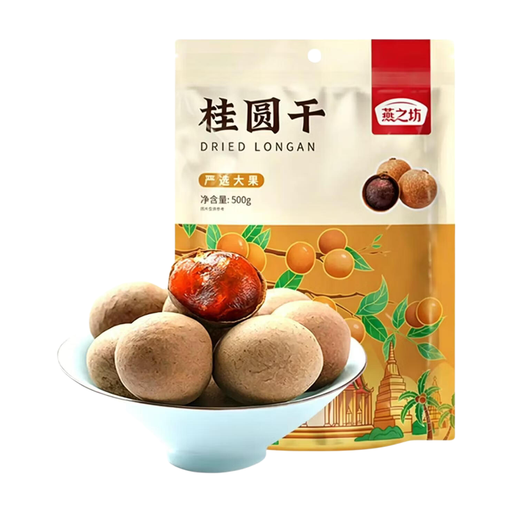 Image unavailable
Yanzhifang Double A Dried Longan 500 g
The product description suggests eating it straight from the pack as a snack, making it a handy fruit addition if you enjoy longan.
The product information lists 9.4 g of protein per 100 g and longan as an ingredient. For use in tea, soup or porridge, a short soak may be needed.
View at Joybuy
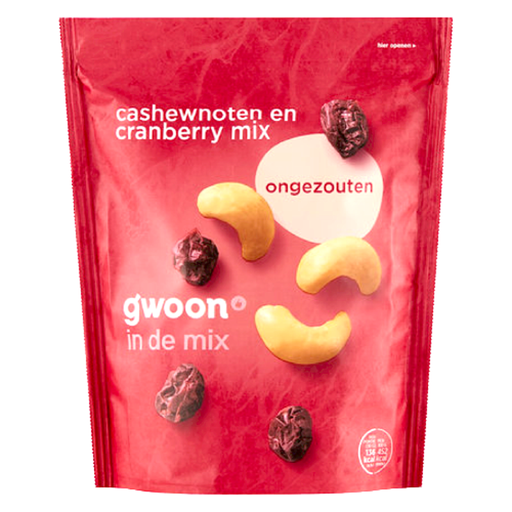 Image unavailable
g'woon Cashew Nut Cranberry Mix 200 g
This mix is a good option if you’re looking for dried fruit and nuts in one snack; bear the ingredients and allergens in mind.
The product information lists 10.9 g of protein per 100 g and a composition of 50% cashew nuts and 50% sweetened dried cranberries. Contains cashew nuts and may contain traces of peanuts and other nuts.
View at Joybuy
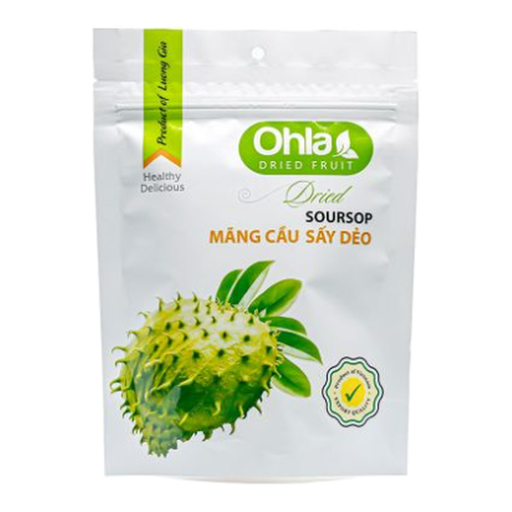 Image unavailable
OHLA Dried Soursop 180 g
The product description suggests dried soursop as a snack or an addition to yoghurt or breakfast cereal.
The product information lists 2.25 g of protein per 100 g. The ingredients list includes sugar, glucose and sodium metabisulphite.
View at Joybuy
 Image unavailable
OHLA Dried Guava 180 g
The product description suggests dried guava as a snack or an ingredient in dishes.
The product information lists 1.27 g of protein per 100 g. The ingredients list includes sugar and a preservative.
View at Joybuy
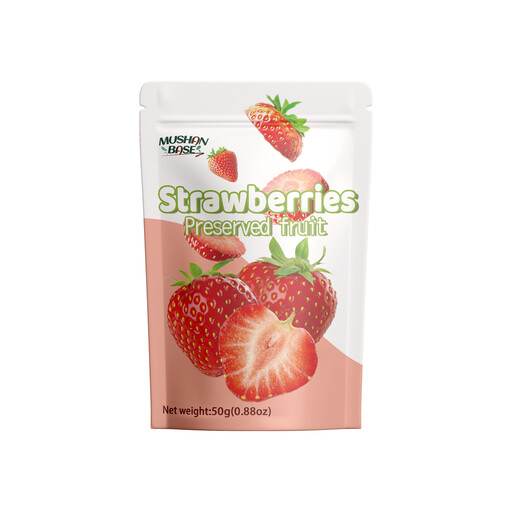 Image unavailable
MUSHAN BASE Dried Strawberry Slices 50 g
The product description suggests these strawberry slices as a snack or a topping for yoghurt or desserts.
The product information lists 1.2 g of protein per 100 g and includes sugar in the ingredients list.
View at Joybuy
Frequently asked questions
How do I calculate the protein in a snack portion?
Multiply the protein value per 100 g by the weight of the portion, then divide by 100. The general table from Notenexpres lists 3.4 g per 100 g for apricots; for a 20 g portion used as an example, that works out at 0.68 g. This is not a confirmed nutritional value for a supermarket product or a recommended portion for children.
Is 20 g of dried fruit a standard recovery portion for every child?
No. The Netherlands Nutrition Centre provides general public information about dried fruit, not individual recovery portions for children who play sports. So don’t use this information as evidence of a personal protein requirement.
How long can an opened pack be stored?
Follow the instructions for the exact product. The Netherlands Nutrition Centre’s storage guide recommends keeping dried tutti frutti in a kitchen cupboard for 6–9 months after opening; don’t automatically apply this period to soaked fruit, other varieties or mixed snacks.
What food information must be available in the Netherlands?
Business.gov.nl states that labelling information must be in Dutch and also available online. The Netherlands Food and Consumer Product Safety Authority says allergens must be clearly and correctly listed on the label. These requirements do not prove that an individual product is suitable for your child.


