What should you look for when choosing?
First, compare the nutritional values per 100 g and calculate the amount for your weighed portion. Then decide whether you’re looking for a snack or something to add to a meal after intense exercise.
| What to consider |
What should you look for? |
Who should pay particular attention? |
| Energy in your portion |
Check the kcal per 100 g and weigh your portion; use the label value to calculate the kcal per portion. |
If I want a small snack after a light workout and am choosing my portion carefully, I look at the energy content I’ll actually eat. Around 36% of consumers put calorie control first. |
| Contribution to recovery |
Consider the intensity and duration of your workout; also check whether your overall meal or snack includes protein and fluids. |
After an intense or prolonged workout, I want to know whether my meal or snack meets the demands of that exercise. Around 29% of consumers prioritise recovery. |
| Sugar and tolerance |
Read the ingredients list alongside the nutrition table and check the sulphite and allergen information. |
If I want to take added ingredients or a known sensitivity into account, I check the label on the exact pack. Around 21% of consumers prioritise checking ingredients. |
| Packaging and storage |
Choose a pack size that suits your portions and follow the storage instructions after opening. |
For weekday snacks, I want packaging that suits how I use and store the product. Around 14% of consumers prioritise practical everyday use. |
Dried fruit at Joybuy
These Joybuy products are dried fruit for snacking or adding carbohydrates to a meal. The energy value per 100 g is specific to each product; none of the five values meets the European Commission’s condition for the ‘low energy’ claim on solid foods.
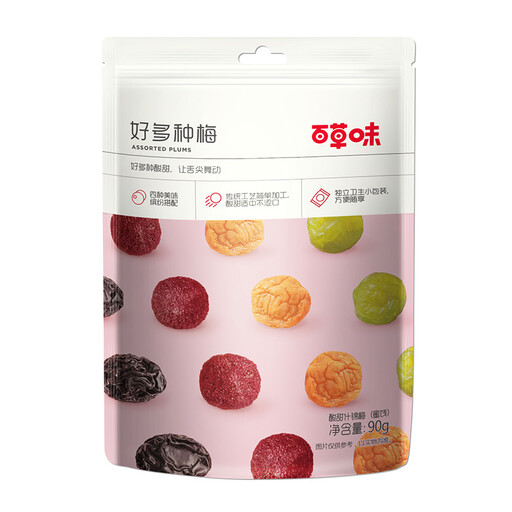 Image unavailable
Be&Cheery Various Dried Plum 90g
An option if you’re looking for a measured portion of dried plums; check the ingredients and salt content too.
68 kcal and 16.5 g of carbohydrates per 100 g; the ingredients include sugar and salt. The salt content is 3.0 g per 100 g.
View at Joybuy
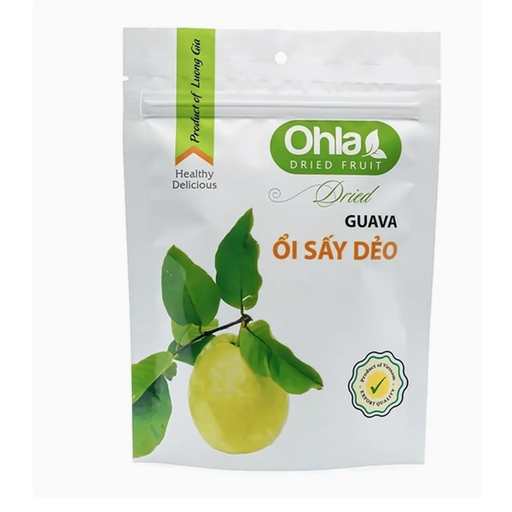 Image unavailable
OHLA Dried Guava 180g
A good fit if you’re considering dried guava as a snack or a source of carbohydrates and want to weigh your portion.
308 kcal and 80.3 g of carbohydrates per 100 g. The ingredients list guava (95%), sugar and a preservative.
View at Joybuy
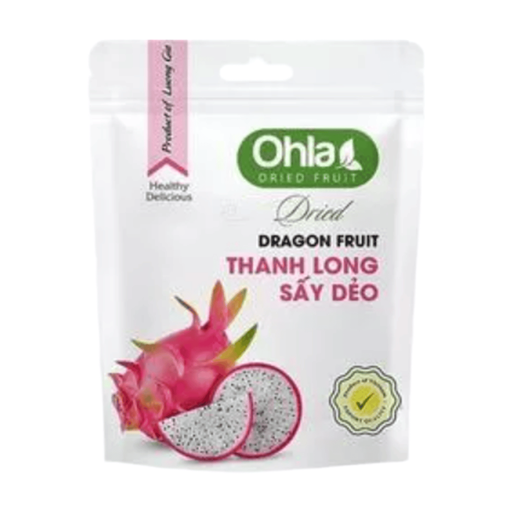 Image unavailable
OHLA Dried Dragon Fruit 180g
An option if you’d like to include dried dragon fruit in your snack choices; adjust the portion to suit the nutritional values on the label.
375 kcal and 82.5 g of carbohydrates per 100 g.
View at Joybuy
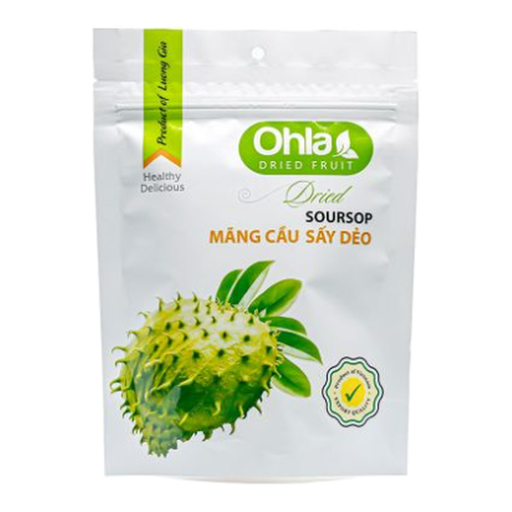 Image unavailable
OHLA Dried Soursop 180g
Consider this product if you’re looking for dried soursop and want to check the ingredients, including whether sulphites are listed.
348 kcal and 84.4 g of carbohydrates per 100 g. The ingredients list sugar, glucose and sodium metabisulphite.
View at Joybuy
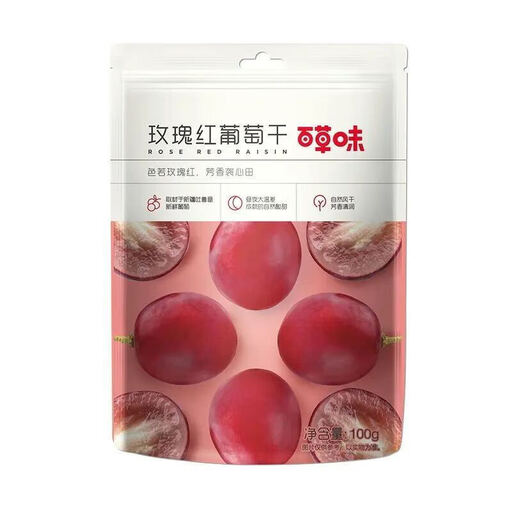 Image unavailable
Be&Cheery Rose Red Raisins 100g
This may suit you if you’re looking for a source of carbohydrates after intense exercise; what you need to eat depends on your workout.
330 kcal and 78 g of carbohydrates per 100 g. The ingredients list raisins and sunflower oil; according to the product description, a stalk or stone may still be present despite checks.
View at Joybuy
Frequently asked questions
Can dried fruit be described as low in calories?
Not if the product doesn’t meet the applicable conditions for the claim. For solid foods, the European Commission sets a limit of no more than 40 kcal (170 kJ) per 100 g for ‘low energy’; the products with nutritional values that were checked are above this limit. If appropriate, describe the energy content of a specific weighed portion without confusing it with a claim about the product itself.
Do you need dried fruit after every workout?
No, dried fruit isn’t essential after every workout. According to the Vereniging Sportvoedingsexperts Nederland, your need for carbohydrates depends on the type and duration of your exercise; after light exercise, your normal eating routine may be enough. Protein and fluids are also important after intense or prolonged exercise.
Does ‘no added sugar’ mean it contains little sugar?
No, this wording doesn’t mean that the product is sugar-free. PLUS Dried Apricots lists 0 g of added sugars, but 53.4 g of total sugars per 100 g. So read both the ingredients list and the nutrition table.
Should I refrigerate dried fruit after opening?
Follow the instructions for the exact product. AH Soaked Dried Apricots should be refrigerated after opening at a maximum of 7 °C. Jumbo says to store the sultanas included in the research in a cool, dry, dark place.
Where can I check for allergens in dried fruit?
Before buying, check the label on the exact pack and read any warnings about possible cross-contamination too. The Nederlandse Voedsel- en Warenautoriteit states that allergen information for prepacked products must appear on the label; the apricot products included in the research contain sulphites.


