What should you look for when choosing?
First, check for the substance you need to avoid, then compare the nutritional information and serving size with how and when you plan to eat it.
| What to consider |
What should you look for? |
Who is this important for? |
| Suitability for specific diets |
Check the exact variety, ingredients and warnings for the substance you need to avoid. |
If I need to avoid a particular substance, I want to know exactly what’s in this pack. Around 36% of consumers prioritise suitability for their diet. |
| Contribution to post-workout nutrition |
Check the protein content per serving and consider the snack alongside your meal and overall diet. |
After an intense workout, I want to know whether fruit alone fits with what else I eat. Around 29% of consumers prioritise post-workout nutrition. |
| Sugar and quantity |
Compare total and added sugars on the same basis and decide on your own portion size. |
If I’m keeping an eye on my sugar intake or portion size, I want to be able to distinguish between the two values. Around 21% of consumers prioritise sugar and portion size. |
| Portioning and storage |
Check the pack weight and follow the storage instructions for the variety you choose. |
For a snack on the go, I want to be able to take a suitable amount with me and store it properly. Around 14% of consumers prioritise portioning and storage. |
The product information for AH Raisins states that they are gluten-free and lactose-free; these claims apply to that specific product listing. Jumbo and PLUS list sulphites in their dried apricots reviewed here. Don’t take these claims as proof that a product is free from other substances.
The PLUS apricots reviewed list 53.4 g of total sugars and 0 g of added sugars per 100 g. The Netherlands Nutrition Centre’s general dietary guidance recommends a maximum of 20 g of dried fruit per day. This is different from the 50 g serving size listed for AH Raisins and is not automatically a personal sports nutrition plan.
Dried fruit at Joybuy
These Joybuy products are dried fruit that can be enjoyed as a snack. If you have specific dietary needs, always check the information for the exact variety and pack.
 No image available
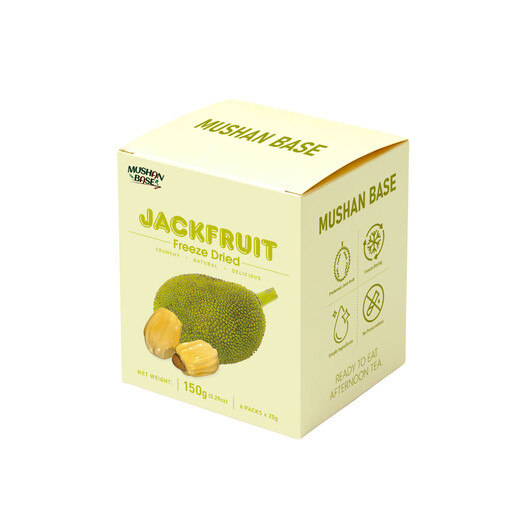
MUSHAN BASE freeze-dried jackfruit 150 g (6 × 25 g)
The six individual 25 g sachets are a handy option if you want to take a measured portion with you.
The product information lists 100% jackfruit as the ingredient, no added sugar and 5.2 g of protein per 100 g. No allergens are listed; if you have an allergy, always check the information on the current packaging.
View at Joybuy
 No image available
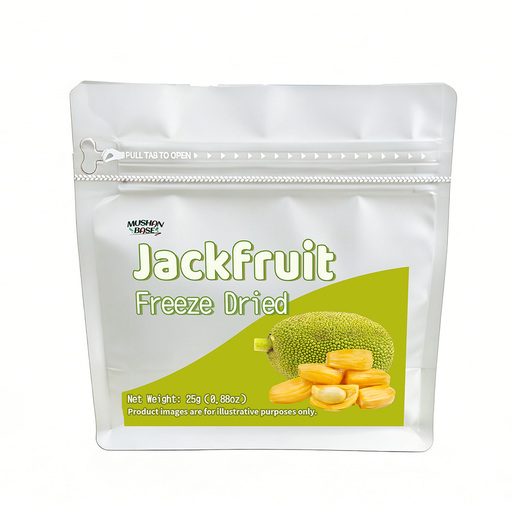
MUSHAN BASE freeze-dried jackfruit 25 g
The 25 g pack is ideal if you’re looking for a small, individually packed snack.
The product information lists 100% jackfruit as the ingredient, no added sugar and 5.2 g of protein per 100 g. No allergens are listed; if you have an allergy, always check the information on the current packaging.
View at Joybuy
 No image available
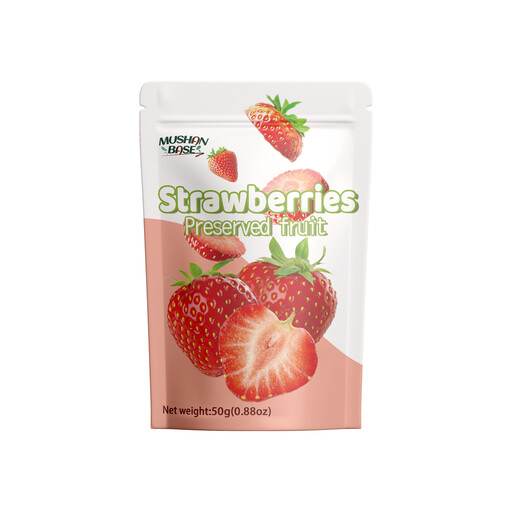
MUSHAN BASE dried strawberry slices 50 g
An option if you’re looking for dried strawberries as a ready-to-eat snack.
The ingredients list dried strawberries and sugar. The storage instructions say to keep in a cool, dry place; check the pack for the latest product information.
View at Joybuy
 No image available
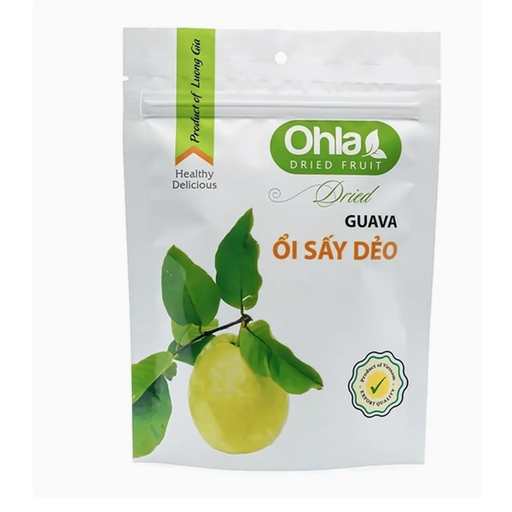
OHLA dried guava 180 g
An option if you’re looking for dried guava as a snack to take with you.
The product information lists 95% guava, sugar and a preservative. The description doesn’t mention any of the 14 major EU allergens; this doesn’t guarantee that the product is suitable for every allergy. Check the current packaging.
View at Joybuy
Frequently asked questions
Does lactose-free mean suitable for someone with a cow’s milk allergy?
No. Lactose intolerance is related to milk sugar, while with a cow’s milk allergy the immune system reacts to milk proteins. The Netherlands Nutrition Centre advises that ‘lactose-free’ shouldn’t be used on its own as proof that a product is suitable for someone with a cow’s milk allergy.
Why are sulphites relevant to dried fruit?
Sulphites can be added to foods as a preservative. The Food Allergy Foundation describes a reaction to sulphites as an intolerance reaction, not an allergic reaction. The Jumbo and PLUS apricots reviewed contain sulphites.
Does allergen information have to appear on the label of pre-packed snacks?
Yes. The Netherlands Food and Consumer Product Safety Authority states that allergen information must appear on the label of pre-packed products. Check the packaging of the exact variety, even if you’ve already looked at an online product description.
What rules have applied to cross-contamination warnings since 2026?
New rules for precautionary allergen labelling have applied since 1 January 2026. According to the Netherlands Food and Consumer Product Safety Authority, businesses must take measures to prevent cross-contamination and, if it remains possible, use a risk assessment to determine whether reference values could be exceeded.
What does ‘gluten-free’ mean?
The European Commission refers to Implementing Regulation (EU) No 828/2014 for the conditions that apply to ‘gluten-free’ and ‘very low gluten’ claims. It has applied since 20 July 2016. A gluten-free claim doesn’t, by itself, say anything about other allergens.


