
Vandaag of morgen in huis

Kwaliteit gegarandeerd

Welkomstaanbiedingen ontgrendelen: GRATIS bezorging | Tot 80% korting | Gratis 30 dagen JoyPlus-proefperiode
Download de app
Dried dates and red jujubes may look similar, but they differ noticeably in flavour, texture, stones, ingredients and how you use them. Whether you’re after a natural fruit snack for on the go, soft dates for baking, or red dates for tea and soup, it’s important to look beyond words like “premium” or “natural” on the packaging.
As a Joybuy Product Recommendation Officer, I filter product information based on practical points: what’s inside, how big the pack is, and what you can actually use the fruit for.
A product with 100% dried dates generally has a different bite to a roasted or crispy variety. Soft dates are suitable for porridge, desserts and baking recipes. Crispy dates are often processed differently and may contain palm oil, for example.
Always check the ingredients list. According to the product information, the Hao Xiang Ni Crispy Red Jujube Slices 108g consists of red dates with no listed additives. The Haoxiangni Crispy Red Dates 210g, on the other hand, contains winter jujube and palm oil.
With pitted dates, the stone is removed mechanically or by hand. Even with products that mention “pitted”, it’s still wise to check the packaging and eat carefully. Particularly with whole fruits, a small piece of stone or a hard bit can remain. Products clearly labelled “pitted” are practical for children, baking and stuffing with nuts, but supervision and careful chewing are still sensible.
A 35g bag is handy for trying out a flavour and texture first. A 500g or 1kg pack makes more sense for families, regular cooking or meal prepping. Once opened, dried fruits can soften due to moisture. So store them in a cool, dry place, well sealed and away from direct sunlight, as stated on the product information.
Look at the ingredients first, not just the front of the packaging. Natural varieties will list, for example, 100% dates, 100% jujubes or red dates as the ingredient. Other products contain sugar, syrup, salt, tangerine peel or oil.
According to the product description, the Xue Ji Roasted Dates with Tangerine Peel Flavour 268g contains sugar, water, tangerine peel and salt, among other things. That makes this variety different from dried jujubes without additives. If you’re looking for a pronounced sweet-sour or citrusy flavour, you might find this particularly interesting.
The nutritional values can therefore vary considerably. In the product information provided, the crispy Be&Cheery variety, for example, lists palm oil, whereas some soft varieties consist solely of dates or jujubes.
Not every red jujube is intended to be eaten raw. The HEYU Premium Jujube 800g states that the fruits should be washed and cooked before consumption. This pack consists of five 160g bags and is therefore suitable for regular use in porridge, soup, stews or tea.
Other products are ready to eat. So always check the usage instructions. “Dates for tea and soup” may be suitable for cooking, but that doesn’t automatically mean they should be eaten without preparation.
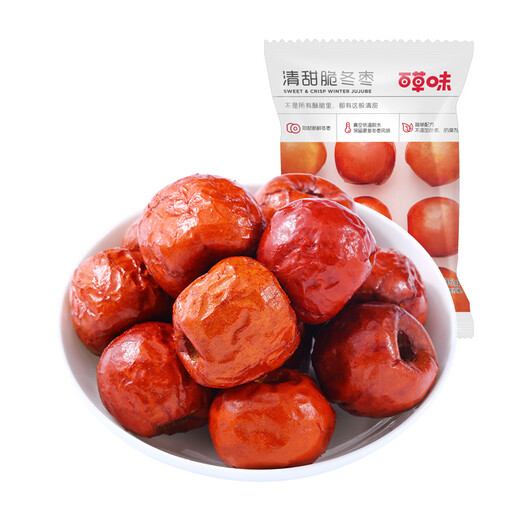
Why this fits the profile: The small 35g portion pack is practical for trying out crispy jujube snacks first or taking them to work, school or on the go.
The portion size limits waste when you’re not yet sure whether a crispy texture suits you. Do note: the ingredients list winter jujube and palm oil.
Crispy texture, ready to eat and a compact 35g pack.
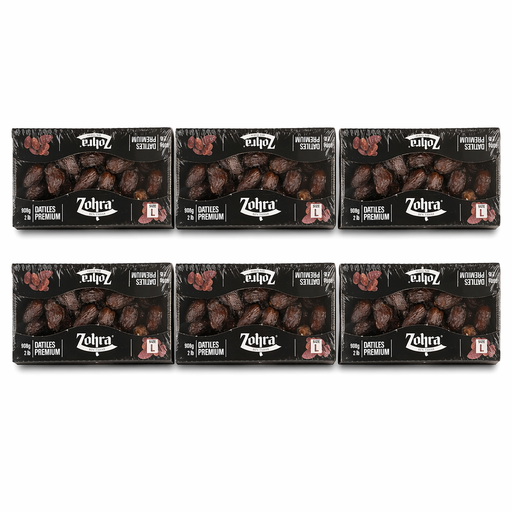
Why this fits the profile: This large Turkish pack suits lovers of soft, firm Medjoul dates who want to eat them plain, with tea or in desserts.
The ingredients are listed as dates and the pack is generous. That means you don’t need to buy several small bags, but do check the best-before date after opening.
908g, large L-size Medjoul dates and suitable for snacking, stuffing and baking.

Why this fits the profile: These 500g red dates are intended for anyone looking for a supply for snacking, tea, soup and desserts.
The product information states 100% jujube and direct use without washing. Nevertheless, always check the instructions on the packaging you receive.
500g, soft chewy texture, no listed allergens and suitable for multiple preparations.
We’ve put together a full, up-to-date list of products that fully meet these strict selection criteria and comply with current European safety regulations.
Store opened packs in an airtight container or seal the bag carefully. Keep the fruits away from heat and moisture. A soft date can be chopped into pieces for:
Red dates and Chinese dates are also often used in tea, porridge and soup. With stone-in varieties, remove the stone before cooking or serving. For products with an explicit instruction to cook, follow the guidance on the packaging.
Red dates or jujubes usually come from Asia and are often smaller, firmer and suitable for tea, soup and porridge. Medjoul dates are generally larger and softer, with a full, caramel-like flavour. The exact texture varies by brand, origin and drying method.
Yes, pitted dates are practical for baking, desserts, tea and soup. However, do check whether the product can be eaten raw or must first be washed and cooked. “Stone-free” says nothing about the required preparation method.
The best-before date is on the packaging. After opening, they generally retain their quality better when stored dry, cool and well sealed. Before use, check the smell, colour and texture, and do not use the product if the packaging is damaged or the fruit smells unusual.
