
Sporty students with a protein target
You want to know how much protein your university lunch actually provides. The Netherlands Nutrition Centre lists dairy products, eggs, pulses and tofu among the foods to consider alongside dried apricots.


Dried apricots can add a fruity touch to your lunch, but a 20 g serving provides around 0.64–0.80 g of protein, based on calculations using labels from Albert Heijn, Jumbo and PLUS. If getting extra protein is your main goal, pair dried fruit with a separate source of protein, and check the ingredients and storage instructions too.
You want to know how much protein your university lunch actually provides. The Netherlands Nutrition Centre lists dairy products, eggs, pulses and tofu among the foods to consider alongside dried apricots.
You take food with you to lectures and want to be able to portion it out in advance. Bear in mind the difference between fruit that can be stored dry and soaked apricots that need to be refrigerated after opening. Albert Heijn gives this instruction for its soaked apricots.
Your choice may depend on sulphites, possible traces of nuts or peanuts, and added sugar. Check the label of the exact product; Jumbo, for example, lists sulphites and possible traces of nuts, peanuts and sesame.
| What to consider | What should you look for? | Who might prioritise this? |
|---|---|---|
| Protein per serving | Compare the values per 100 g, then calculate the amount for your own serving. | I want to know how much protein my lunch portion really adds; a value per 100 g doesn’t immediately tell me what I’ll eat on the go. Around 42% of consumers prioritise the protein contribution. |
| Taking it with you and storage | Check the storage instructions, including what to do after opening. | If I’m carrying my lunch around for hours, I want to choose a product with storage instructions that suit my day. Around 25% of consumers prioritise taking food with them and storing it. |
| Cost per serving | Compare the current price with the net weight and the amount you use. | I want to know how much one lunch portion costs, not just the price of a pack. Around 17% of consumers prioritise cost per serving. |
| Ingredients and allergens | Read the ingredients and allergen information for the exact product. | When ingredient requirements affect my choice, I want to be able to check them before buying. Around 16% of consumers put these requirements first. |
The apricot labels we checked show that a 20 g serving provides only a small amount of protein. So having a larger portion won’t necessarily give you the protein boost you’re looking for at lunch.
Calculate the protein content for the amount you’ll actually take with you, and add a separate source of protein if needed.
The PLUS label lists 53.4 g of total sugars and 0 g of added sugars per 100 g. These terms don’t mean the same thing.
Also check the ‘of which sugars’ figure and bear your portion size in mind.
Albert Heijn says its soaked apricots should be refrigerated after opening at a maximum of 7 °C, and notes that they have a limited shelf life once opened.
Check the storage advice on the pack before adding the product to your lunch plan.
Albert Heijn says its Goji berries have been discontinued. Jumbo says its organic dried apricots are no longer part of its online range.
Check the latest availability information before adding a specific variety to your shopping list.
Albert Heijn’s soaked dried apricots are worth considering if you’re looking for a soft, fruity addition to your lunch.
Jumbo’s pitted dried apricots are listed in a 250 g pack.
Alesto is Lidl’s own brand for products including nuts and dried fruit, such as apricots.
ALDI describes TRADER JOE’S Sun-Dried Apricots as soft apricots in a 250 g pack.
PLUS Dried Apricots are listed in a 375 g stand-up pouch.
Dirk describes 1 de Beste Apricots in a 375 g pack, for snacking or adding to breakfast and baking recipes.
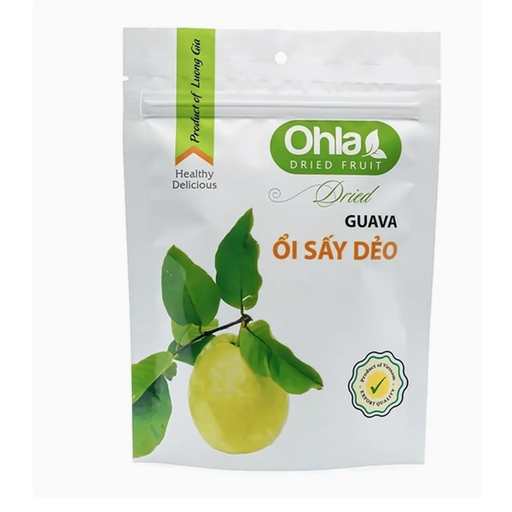
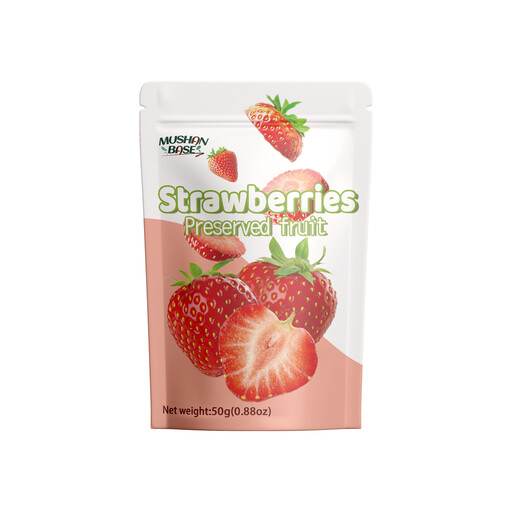
These Joybuy product picks are dried guava and dried strawberries, both of which can add a fruity touch to your lunch. The product information describes them as snacks or toppings; their stated protein values mean they provide only a small amount per serving.
 No image available
A good fit if you’re looking for a fruity addition to your lunch or a snack; the product information also suggests using it as an ingredient in dishes.
Ingredients: guava (95%), sugar and preservative.
Protein: 1.27 g per 100 g; that’s around 0.25 g in a 20 g serving.
Store in a cool, dry place and close the pack tightly after opening.
 No image available
A good fit if you’d like to use dried strawberries as a snack or topping, for example with yoghurt.
Ingredients: dried strawberries and sugar.
Protein: 1.2 g per 100 g; that’s around 0.24 g in a 20 g serving.
Store in a cool, dry place and reseal the pack tightly after opening.
First, compare them on the same basis, such as per 100 g, then calculate the amount for your own serving. The values calculated for 20 g are based on retailer labels and aren’t individual sports nutrition advice.
The Netherlands Nutrition Centre recommends a maximum of 20 g of dried fruit per day. This is general dietary guidance, not a legal limit on purchases or a prescribed recovery serving.
Follow the storage advice for the exact product. Jumbo and PLUS recommend storing their dried apricots in a cool, dry, dark place; Albert Heijn says its soaked apricots should be refrigerated after opening. Storing something in a cool place and refrigerating it after opening aren’t the same thing.
According to the Netherlands Food and Consumer Product Safety Authority, allergen information for non-prepacked products must be available before purchase. If you’re buying a lunch made up of several ingredients from a canteen, ask about the whole dish, not just the fruit component.
The Netherlands Nutrition Centre says most people who do sport don’t need special foods, as they already get enough protein, although there are some exceptions. So consider your overall diet and the portions you actually eat, rather than relying on a product description aimed at sporty people.