What should you look for when choosing?
Non-rechargeable S Pen
A good fit if: you have a Galaxy device that supports the S Pen you’ve chosen and don’t want to charge the pen separately.
Bear in mind: compatibility varies by version, and your tablet still needs power. Check what came with your tablet too.
Apple Pencil Pro
A good fit if: your iPad is compatible and you want to attach, store and charge the pen magnetically.
Bear in mind: the Pencil Pro doesn’t work with every iPad, and magnetic charging doesn’t remove the need to power the iPad itself.
USB-C pen for iPad
A good fit if: you mainly create panels, make notes or do quick sketches on a compatible iPad, and can use a cable to charge the pen.
Bear in mind: Logitech Crayon and Apple Pencil (USB-C) charge via USB-C. Tabletguide.nl says in its comparison that Apple Pencil (USB-C) doesn’t have pressure sensitivity; tilt sensitivity is a separate feature.
Battery-free pen with a graphics tablet
A good fit if: you already use a compatible computer or Android host device and want a separate drawing surface with a battery-free pen.
Bear in mind: the drawing surface needs to be connected to a host device. A screenless graphics tablet isn’t a standalone tablet on which you can view your storyboard directly.
When storyboarding with few spare power sockets, four questions matter: how the pen charges, whether it works with your device, what level of line control you need and what else you’ll need to connect.
| What to consider |
What should you check? |
Who should give this more weight? |
| Charging |
Check how the specific pen charges and whether your tablet, graphics tablet or computer needs power while you draw. |
I don’t want to need a separate pen charger and want to know where the pen gets its power. Around 31% of consumers prioritise convenient charging. |
| Compatibility |
Look up your exact tablet model in the manufacturer’s compatibility information and check any software requirements. |
I want to keep using my existing tablet and don’t want to choose a pen that won’t work with it. Around 31% of consumers give compatibility top priority. |
| Line control |
Compare pressure and tilt sensitivity separately, and check which features your drawing app supports. |
I work on more finished storyboard panels and want to know which features affect my lines. Around 25% of consumers prioritise drawing control. |
| Drawing space |
Check whether you want to draw directly on the screen, what size drawing surface you’ll get and which host connection you’ll need. |
I work with a computer and want a separate drawing surface that fits my workspace. Around 13% of consumers give drawing space and the required workspace top priority. |
Joybuy products
This selection includes pens for compatible tablets and drawing surfaces for use with a computer. Check compatibility for each model and factor in the power requirements of your entire workspace.
 No image available
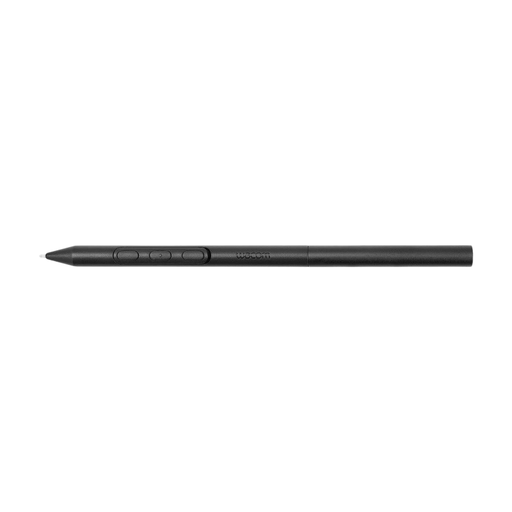
Wacom Pro Pen 3, battery-free EMR stylus, black
A battery-free pen for drawing and sketching if you use a compatible Wacom device.
Listed compatible devices include MovinkPad 11 and Cintiq Pro 17, 22 and 27; check that your device is included.
The description mentions adjustable weight, grip, balance point and pen buttons.
Joybuy
 No image available
Apple Pencil Pro (2024), for iPad Air and iPad Pro
An option for drawing on a compatible iPad if you want to attach and charge the pen magnetically.
The description lists pressure and tilt sensitivity, pinch and rotate controls.
Listed compatible devices include iPad Pro M4, iPad Air M2 and iPad mini A17 Pro models; check your exact version.
Joybuy
 No image available
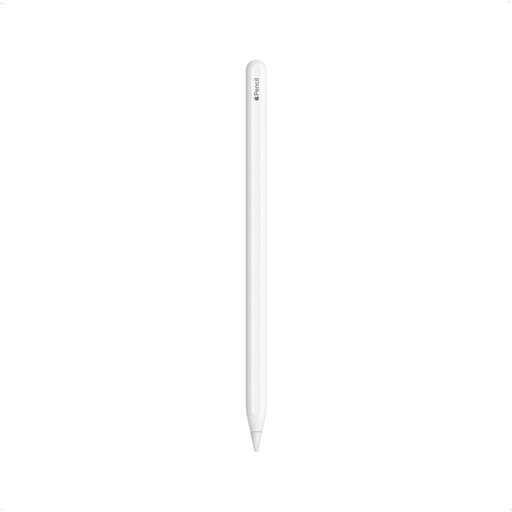
Apple Pencil (2nd generation)
A pen for drawing and sketching on the iPad models compatible with this version.
The description lists magnetic pairing and charging, plus double-tap to switch tools.
The title lists iPad Pro 12.9-inch (3rd, 4th, 5th and 6th generation), iPad Pro 11-inch, iPad Air (4th and 5th generation) and iPad mini (6th generation).
Joybuy
 No image available
Wacom Intuos Pro graphics tablet, Medium
A separate drawing surface for computer users who want to use a battery-free pen.
Active area: 263 × 148 mm. The description lists 8,192 pressure levels and tilt recognition.
The graphics tablet has a rechargeable battery and is designed for use with a computer, so the battery-free pen doesn’t make your workspace power-free.
Joybuy
 No image available
Wacom Intuos Pro graphics tablet, Large, with Pro Pen 3
A larger separate drawing surface for computer users who want to use a battery-free pen.
Active area: 349 × 195 mm. The description lists 8,192 pressure levels, tilt recognition and customisable shortcut keys.
The graphics tablet has a rechargeable battery and is designed for use with a computer, so the battery-free pen doesn’t make your workspace power-free.
Joybuy
Frequently asked questions
Does my drawing pen need to be plugged into a socket separately?
It depends on the version. Samsung says the S Pen Creator Edition doesn’t need charging; Apple Pencil Pro charges with a compatible iPad, while Apple Pencil (USB-C) and Logitech Crayon (USB-C) charge via a cable. The tablet or connected computer still needs power.
How can I check whether a pen works with my tablet?
Look up your exact tablet model in the manufacturer’s compatibility information and check any minimum software versions. Apple publishes separate lists for Pencil Pro and Pencil (USB-C); Samsung distinguishes between S Pen versions.
Is tilt sensitivity the same as pressure sensitivity?
No, they’re different features. If you want more line variation while refining storyboard panels, check which features are supported by the pen and your drawing app.
What should I do if a pen tip is worn?
First check whether replacement tips are available for your exact pen and follow the instructions for that model. Samsung, for example, explains how to remove and replace the tip on the Galaxy Tab S11 Series S Pen; those instructions don’t necessarily apply to other pens.
What are my rights if a pen bought online in the Netherlands isn’t working properly?
According to the Dutch government, when you buy from a business at a distance, you’ll often have 14 days to change your mind. You’re also entitled to a product that works properly; there’s no fixed statutory guarantee period in the Netherlands, and you should contact the seller if there’s a fault. These are statutory rights, not a promise about a particular shop or damage caused by your own use.


