
Solo performer in a reverberant room
Wants the words to come through clearly and can usually speak close to a fixed microphone. Shure emphasises that distance and positioning both affect how much room sound is picked up.


For one speaker in a reverberant room, a directional microphone placed close to the voice is a sensible starting point; positioning remains key to how much room reverberation you pick up. A condenser microphone can work well for a fixed speaking position if you can manage the acoustics and also want to capture the sound of the room. If performers are moving or speaking at the same time, the number of microphones and the recording chain matter more; always test both quiet and loud passages.
Wants the words to come through clearly and can usually speak close to a fixed microphone. Shure emphasises that distance and positioning both affect how much room sound is picked up.
Switches between whispers and powerful passages, and wants to assess positioning, monitoring and levels during a test recording.
Has several voices to capture or performers moving around the room. A microphone or transmitter for each performer may be a better fit than a single microphone positioned at a distance.
Start with the distance between the performer and the microphone. Then work out how many performers will be recorded at the same time and what equipment you already have.
The percentages below refer to consumers choosing a microphone for this specific recording; each row focuses on one main priority.
| Consideration | What to look for | Who is this most important for? |
|---|---|---|
| Clarity and reverberation | Make a test recording in the actual speaking position and compare the distance and sound you want. | If I want the words to stand out in a reverberant room, I prioritise clarity over the room sound; around 33% of consumers say this is their main concern. |
| Quiet and loud passages | Record both extremes and listen back through headphones. | If my voice varies a lot, I want to hear whether both passages remain usable; around 27% of consumers prioritise vocal changes. |
| Moving performers or several performers | Check the number of transmitters and inputs, and make sure the connection is compatible with your recording device. | If performers speak at the same time or move around the room, I don't want to rely on a single fixed microphone; this need comes first for around 20% of consumers. |
| Connection and setup | Check the input on your computer or recorder, and whether you need an interface, cable, stand or headphones. | If I want to record easily with the equipment I already have, I start by checking the connection; around 20% of consumers make a compatible recording chain their main priority. |
At greater distances, reflected speech can be picked up more strongly in the recording. Shure recommends comparing microphone positions and distances in the recording space.
Test the performers' actual positions and compare the recording with one made using a microphone placed closer to their voices.
An extra test recording or an additional microphone setup may take more time if voices and reverberation are difficult to separate.
The Audio-Technica AT2020 with XLR needs a suitable audio interface with full 48 V phantom power. The AT2020USB-X is a different model with a USB connection.
Check the full model number and work out which connections and equipment you need before buying.
An XLR setup may also require a suitable interface, phantom power and an XLR cable.
A recording format or audio processing won't automatically change the balance between the direct voice and the reverberation already present in the room.
Use these features as an extra aid, and assess a test recording with the actual text, performance and microphone position.
The SM58 is a dynamic cardioid microphone with XLR, while the MV7+ has both USB-C and XLR. These models suit different recording setups.
The NT1 5th Generation is a cardioid condenser microphone with USB and XLR connections, designed for a fixed speaking setup.
The AT2020USB-X is a USB condenser microphone; the AT2020 is a separate XLR model.
The e 835 is a dynamic cardioid XLR microphone for speech and vocals, suitable for handheld use or mounting on a stand.
The specific Mic 2 set with two transmitters, one receiver and a charging case is designed for recordings with two speakers.
The H1essential is a standalone handheld recorder with built-in X/Y microphones, making it a quick way to record a rehearsal.
These product picks are suited to wireless recordings with one or more performers on the move, as well as a compact USB setup for a speaker in a fixed position.
 No image available
The set with two transmitters is a good fit for a recording with two performers speaking or moving at the same time.
In the set: 2 transmitters, 1 receiver and charging case.
 No image available
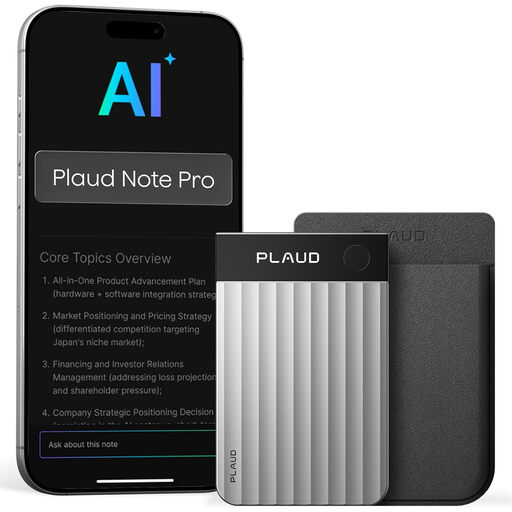
A voice recorder for anyone looking to capture a rehearsal from a fixed position. Make a test recording to check that your chosen position picks up the voices clearly.
Colour option: Silver.
 No image available
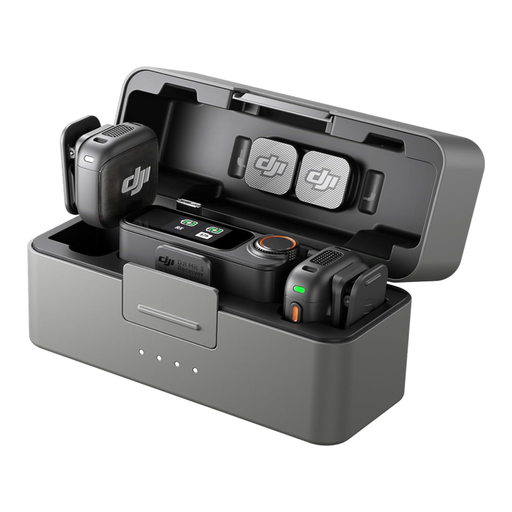
The set with two transmitters suits a setup with several performers. Check that the receiver is compatible with your recording device.
In the set: 2 transmitters, 1 receiver and charging case.
 No image available
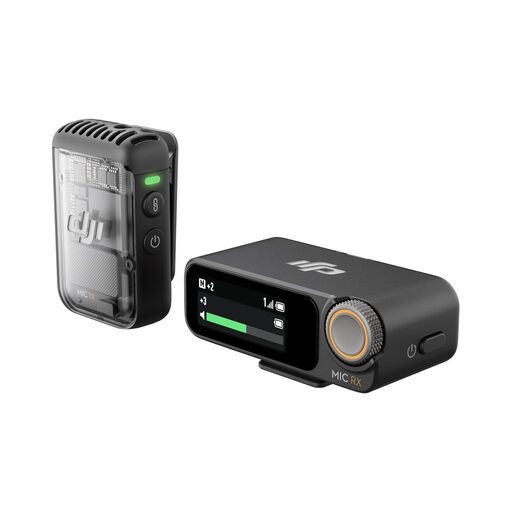
The set with one transmitter is an option for an individual performer on the move. Check that it connects to your recording device before you buy.
The product name specifies internal 32-bit float recording.
 No image available
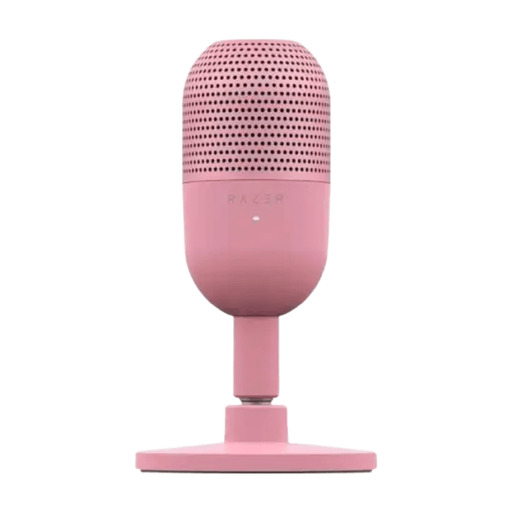
This USB microphone suits a speaker in a fixed position who wants to record on a computer. Check that the connection is compatible with your device.
Connection: USB. Feature stated in the product name: tap to mute.
No, a microphone won't fix the room's acoustics. Shure recommends comparing distance and positioning, so make a test recording where the reading will take place.
Not as a standard USB microphone. According to Audio-Technica, this XLR model needs a suitable audio interface with full 48 V phantom power. The AT2020USB-X is a separate model with a USB connection.
Before recording the full reading, record both a quiet and a powerful passage and listen back through headphones. Check the microphone position too: monitoring and 32-bit float recording are no substitute for suitable positioning.
For an online purchase by a consumer in the Netherlands, there's generally a 14-day cooling-off period from delivery, subject to legal exceptions. You also have a statutory guarantee if a product doesn't perform as you could reasonably expect under normal use; ACM ConsuWijzer explains that the seller must offer an appropriate remedy at no cost.
A recording that makes someone identifiable may contain personal data. According to the Dutch Data Protection Authority, if you process it for purposes beyond personal or household use alone, you need to consider an appropriate GDPR legal basis; consent is one possible basis. Taking part in a rehearsal doesn't automatically mean someone has agreed to public sharing.
As a general rule, you need permission from the rights holder to share copyrighted text publicly. The Dutch Government distinguishes between making a copy for personal use and distributing or publishing it; check the rights for the text you've chosen before you publish.