
Vandaag of morgen in huis

Kwaliteit gegarandeerd

Welkomstaanbiedingen ontgrendelen: GRATIS bezorging | Tot 80% korting | Gratis 30 dagen JoyPlus-proefperiode
Download de app
A pair of wireless headphones might seem straightforward to choose at first. But marketing jargon, unclear battery-life claims and an uncomfortable fit can all lead to disappointment. A pair that’s comfortable on a train journey may not be right for running or long online meetings.
Before you buy, watch out for these three common pitfalls:
Over-ear headphones cover your ears and are often a practical choice for travel, working from home and long listening sessions. Consider the weight, headband pressure and ventilation of the ear cushions. According to the product information, the Bose QuietComfort Ultra Headphones weigh 380 grams, while the Sony ULT WEAR weighs 255 grams. You may notice the difference during extended wear.
In-ear earbuds are compact and easy to slip into a coat pocket. Check whether the box includes multiple ear tip sizes or stability bands. The Google Pixel Buds Pro come with three sizes of ear tips, so you can adjust the fit.
Open-ear earbuds and bone-conduction models leave your ear canals uncovered. They may suit walking, cycling or work where you want to stay aware of your surroundings. The Sanag G6S, for example, has an open-ear hook design. According to the product information, it has an IPX4 rating and is designed to withstand sweat and light rain, but not immersion in water.
Long battery life is especially useful for commuters, travellers and professionals who don’t want to charge their headphones every day. Don’t just look at the highest figure. Also check:
The Sony ULT WEAR is quoted as offering up to 30 hours of use with noise cancellation, and Sony says it has a fast-charging feature. The Soundcore Space One Pro is quoted as offering 60 hours without ANC and 40 hours with ANC. These are stated product specifications; actual battery life may vary depending on volume, connection and settings.
A pair of Bluetooth headphones should connect reliably to your phone, laptop or tablet. Bluetooth 5.3 or 5.4 may offer benefits in terms of energy efficiency and connectivity, but the version alone says nothing about sound quality.
For work and everyday use at home, a good microphone, multipoint connectivity and on-earcup controls are often more important. Multipoint lets you connect to two devices, such as a laptop and smartphone. Also check whether you need an app to change settings, install updates or use the equaliser.
An IP rating matters for sport. IPX4 means the product information states that the headphones are protected against splashes, but not swimming or prolonged exposure to rain. The Samsung Galaxy Buds4 Pro are listed as IP57-rated. If you’ll be using them outdoors regularly, always check the full usage restrictions.

Why it suits this profile: These compact in-ear earbuds are ideal for everyday listening, calls and commuting. The three included ear tip sizes help you find a comfortable fit.
The product information lists ANC, Transparency mode, Bluetooth 5.0 and a charging case. Do check the stated maximum playback time of 5 hours per charge.
Active noise cancellation, Transparency mode, wireless charging and three sizes of ear tips.

Why it suits this profile: These over-ear headphones are made for travel, focused work and listening to music. The product information lists Bluetooth 5.3, multipoint connectivity and up to 24 hours of battery life.
Battery life, connections and the weight of 380 grams are all listed. This makes it easier to weigh up comfort and wearing time before you buy.
ANC, multipoint connectivity, app controls, a 3.5mm jack and an included audio cable.
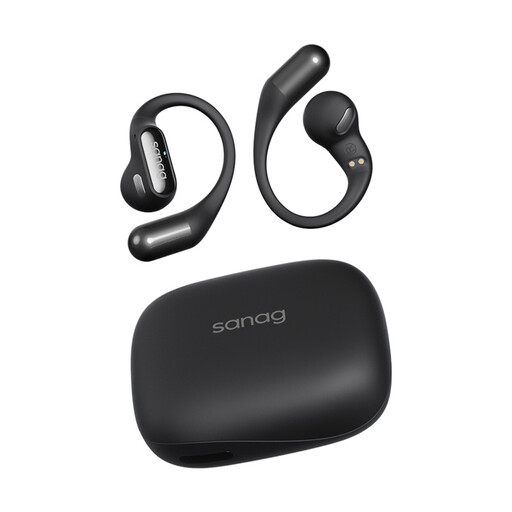
Why it suits this profile: The open-ear hook design is made for running, cycling, fitness and outdoor use where staying aware of your surroundings matters.
The open design leaves your ear canals uncovered. The IPX4 rating means the earbuds can withstand splashes, but not immersion in water.
Bluetooth 5.3, touch controls, around 5.6 grams per earbud and, according to the product information, around 26–48 hours with the case.
We’ve put together a complete, up-to-date list of products that meet these strict selection criteria and the applicable European safety regulations.
It can be, especially for constant sounds such as engine noise and the sound of the train. Active noise cancellation doesn’t replace complete sound isolation. Use Transparency mode when you need to hear announcements or conversations.
Battery life per charge varies considerably. According to their stated specifications, over-ear models often offer several dozen hours, while wireless earbuds usually provide a few hours per charge before needing to be recharged in their case. Overall lifespan depends on charging cycles, storage, moisture and careful use.
Other than the purchase price, there are usually no ongoing costs. Do factor in the electricity used for charging and, if applicable, an app or subscription for additional music services. A model with USB-C and long battery life can be handy if you’re often on the go. Keep the volume moderate and take breaks during long listening sessions.
